








Urbanisation of the outskirts: why the surrounding areas are booming
More and more people are drawn out of the city: in 2024, for the first time, more than 41% of home seekers in German metropolitan regions looked specifically in the surrounding areas, and only just under 36% within the city limits (ImmoScout24, 2024). The reasons are high…
 Jonathan AlbroscheitFounder and CRO, arcneo
- Published
- 5 August 2025
- Reading time
- 8 minutes
In brief
- City centres are losing their appealSince the pandemic, districts in the areas around Berlin, Munich and Frankfurt have recorded continuous net migration gains, especially among families.
- New lifestyle, new spacesCity-centre prices, working from home and the wish for peace and quiet and home ownership make the surrounding areas the more attractive option.
- Planning fails to keep pace with the marketMany municipalities are overstretched: they lack building rights, infrastructure and concepts for sustainable growth.
- Impact does not come from land aloneESG investors find space in the surrounding areas, but also responsibility. Anyone who invests here has to integrate, not just build.
More and more people are drawn out of the city: in 2024, for the first time, more than 41% of home seekers in German metropolitan regions looked specifically in the surrounding areas, and only just under 36% within the city limits (ImmoScout24, 2024). The reasons are high rents, rising construction costs and the wish for more space, peace and flexibility. At the same time, the Federal Institute for Research on Building, Urban Affairs and Spatial Development (BBSR) forecasts an annual need for 320,000 new apartments, above all in the surrounding areas of fast-growing cities.
The trend is clear: today, urbanisation increasingly takes place at the edges. But what makes the surrounding areas so attractive, and what role do sustainable project development and ESG investments play in this new dynamic?
From re-urbanisation to decentralisation
A turnaround in urban development
In the 2010s, the return to the cities was the urban ideal. Re-urbanisation stood for short distances, cultural diversity and dense infrastructure. But since 2020 a clear counter-trend can be observed: more and more people are leaving city centres, not just temporarily but for good.
New dynamics in the surrounding areas
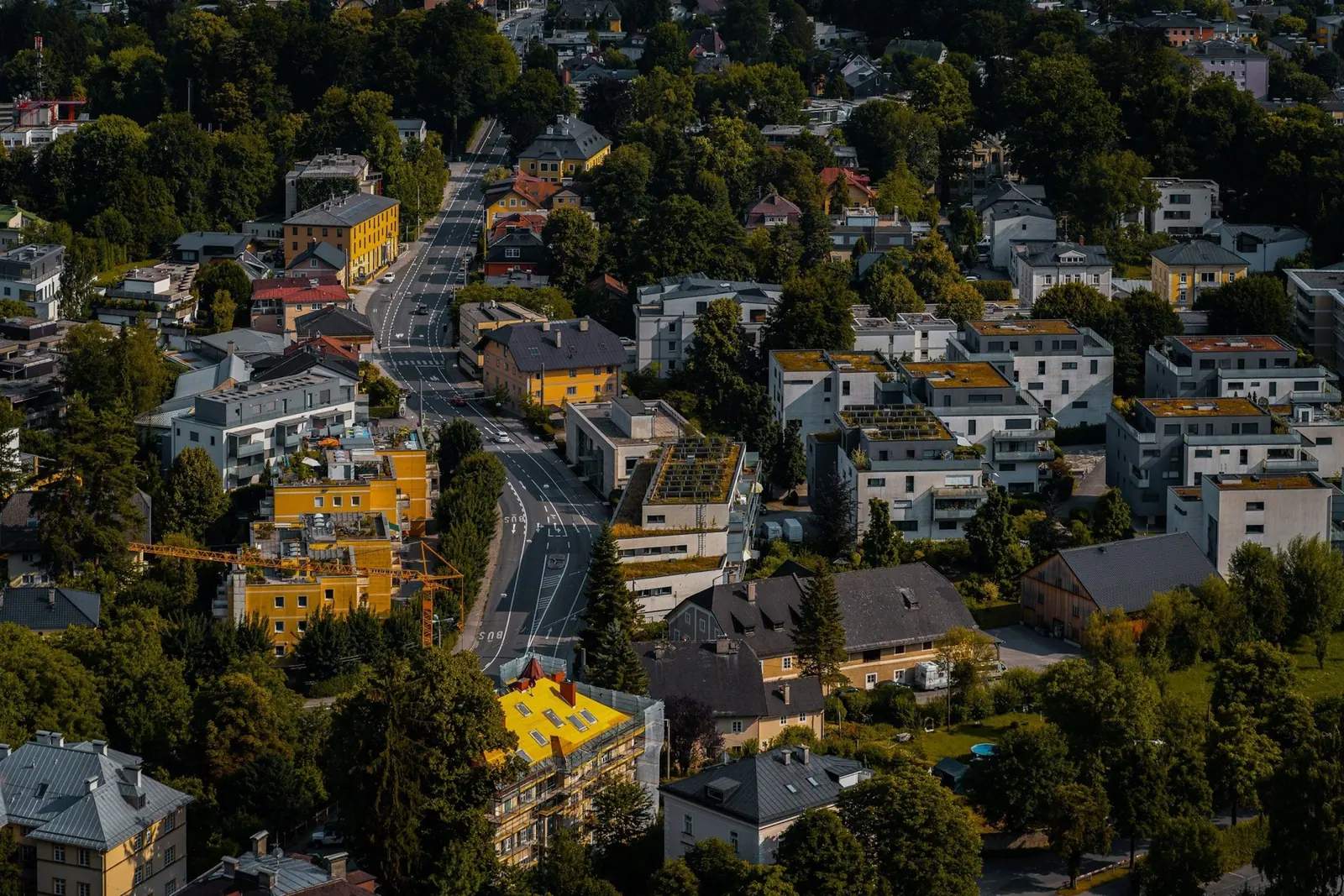
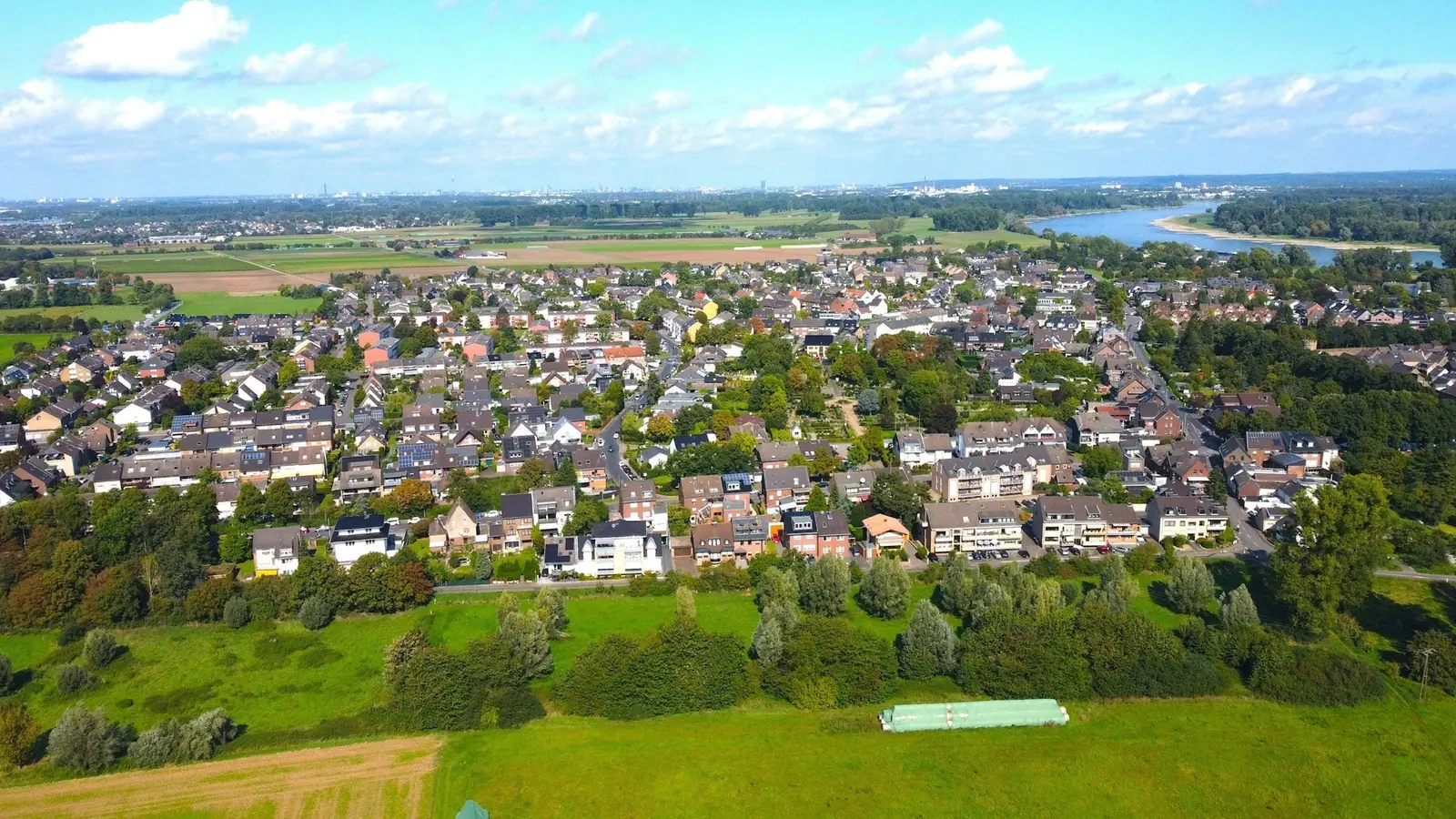
More and more people are drawn out of the city: according to an analysis by the Federal Institute for Population Research (BiB), since the coronavirus pandemic significantly more people have left the major cities than have moved there, especially families. This development is particularly evident in the regions around Berlin, Munich and Frankfurt. According to the Federal Institute for Research on Building, Urban Affairs and Spatial Development (BBSR), surrounding districts such as Barnim, Freising or the Wetterau district are recording clear net migration gains, a trend that has become established since 2021.
Why city centres are losing their appeal
The causes of this change lie on several levels. High rents and service charges make life in the city centre unaffordable for many. Density, traffic, noise and a lack of open space further reduce the quality of life. Home ownership is hardly attainable any more in many urban locations.
Why the surrounding areas are winning
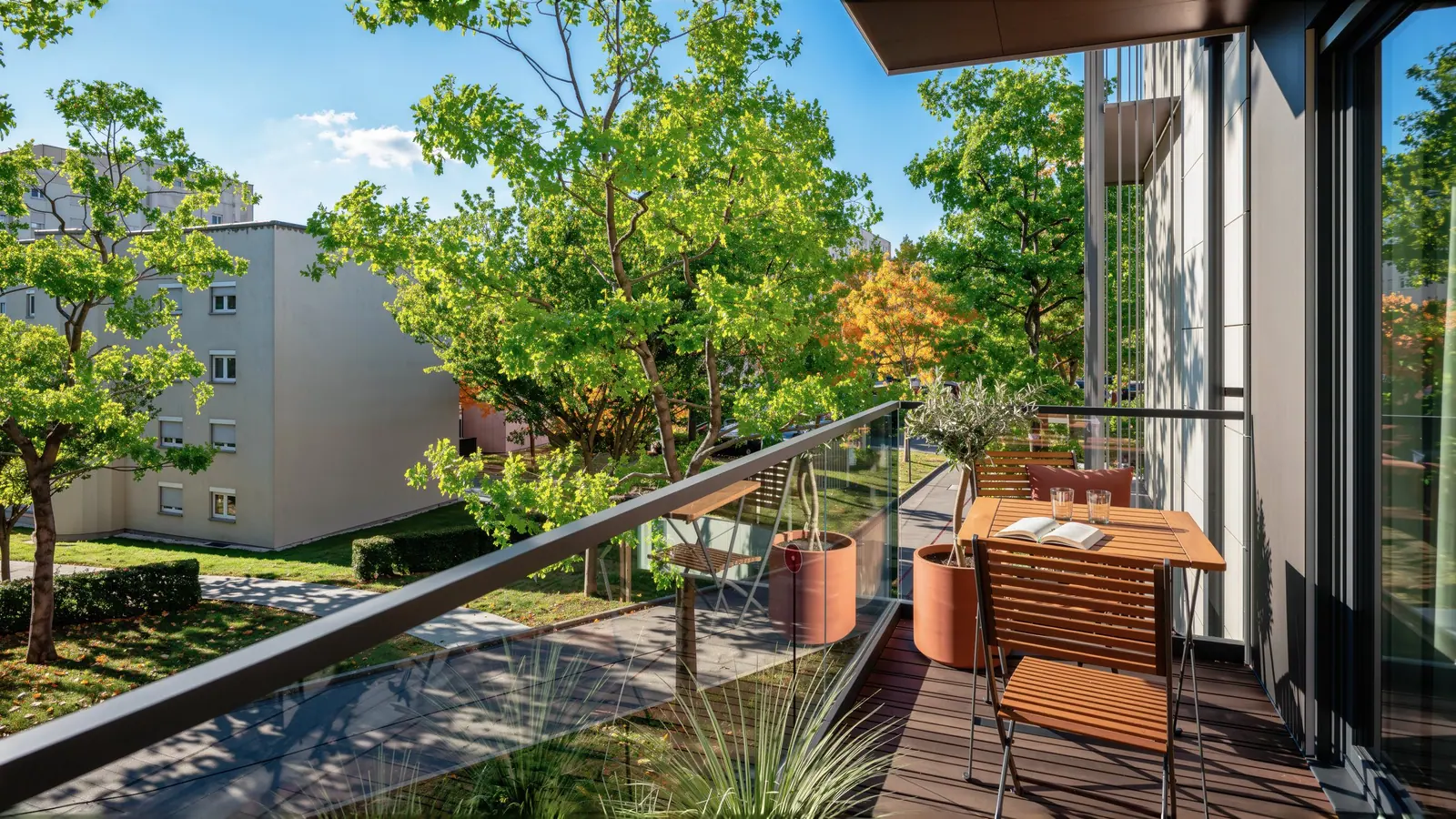
In the surrounding areas, on the other hand, many find what they miss in the city: more space for the money, better air quality, green surroundings and the chance of a home of their own. Working from home and flexible working models have made being close to the city less important. At the same time, the wish for space, peace and a better balance of family, work and home is growing.
The market follows the trend: shifts in prices and demand
Price pressure shifts investment behaviour
The move to the surrounding areas is clearly reflected in market dynamics. Between 2020 and 2022, standard land values in many peripheral regions, for example in the Berlin area, in the north of Munich and along the S-Bahn lines in the Rhine-Main area, rose in some cases by up to 30%. Since then, prices have stabilised or fallen slightly. Even so, structural demand remains high: the surrounding areas are becoming more attractive for many target groups, and the gap to city-centre prices matters less, not because prices rise sharply, but because peri-urban areas have become more important.
New target groups create new demand profiles
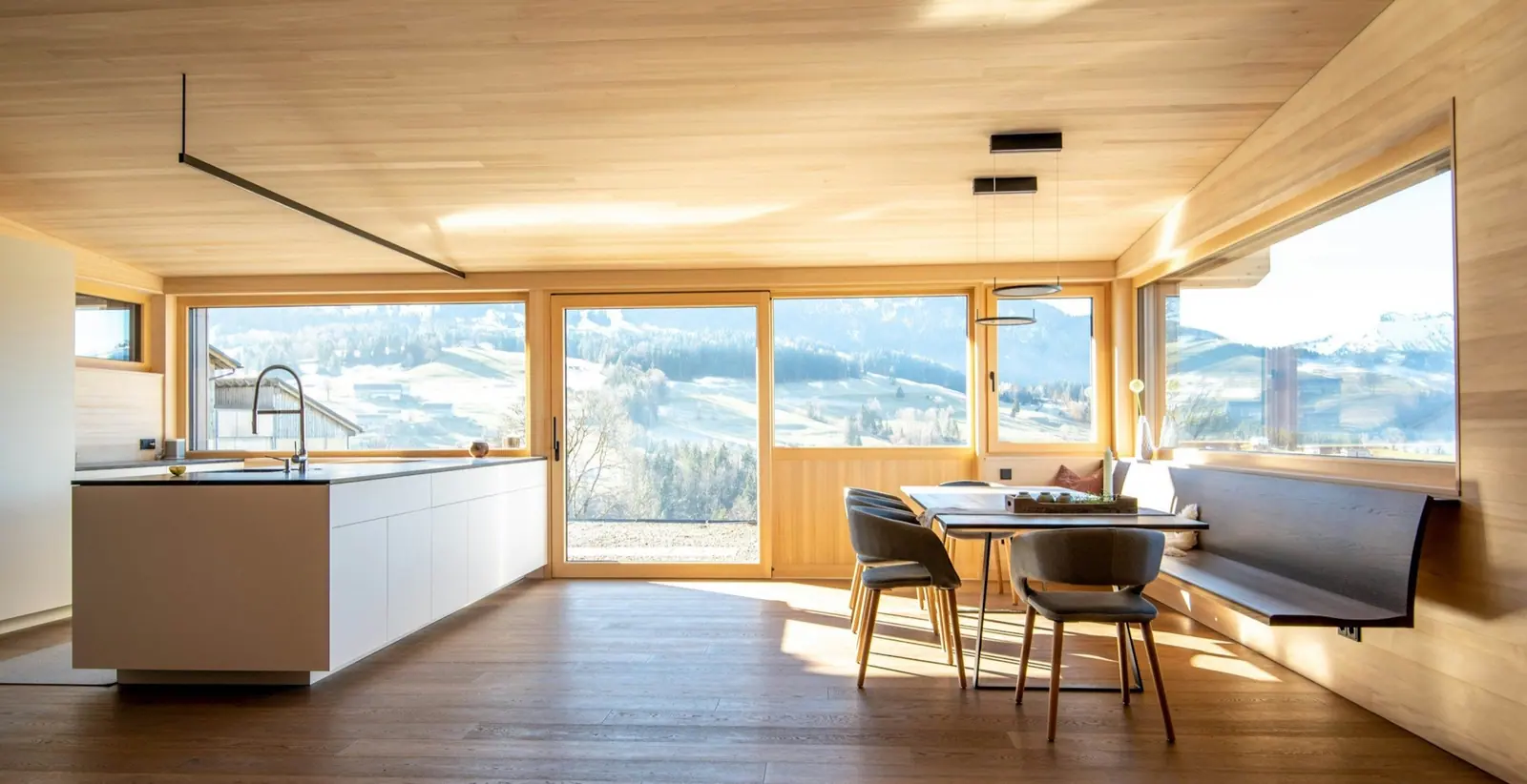
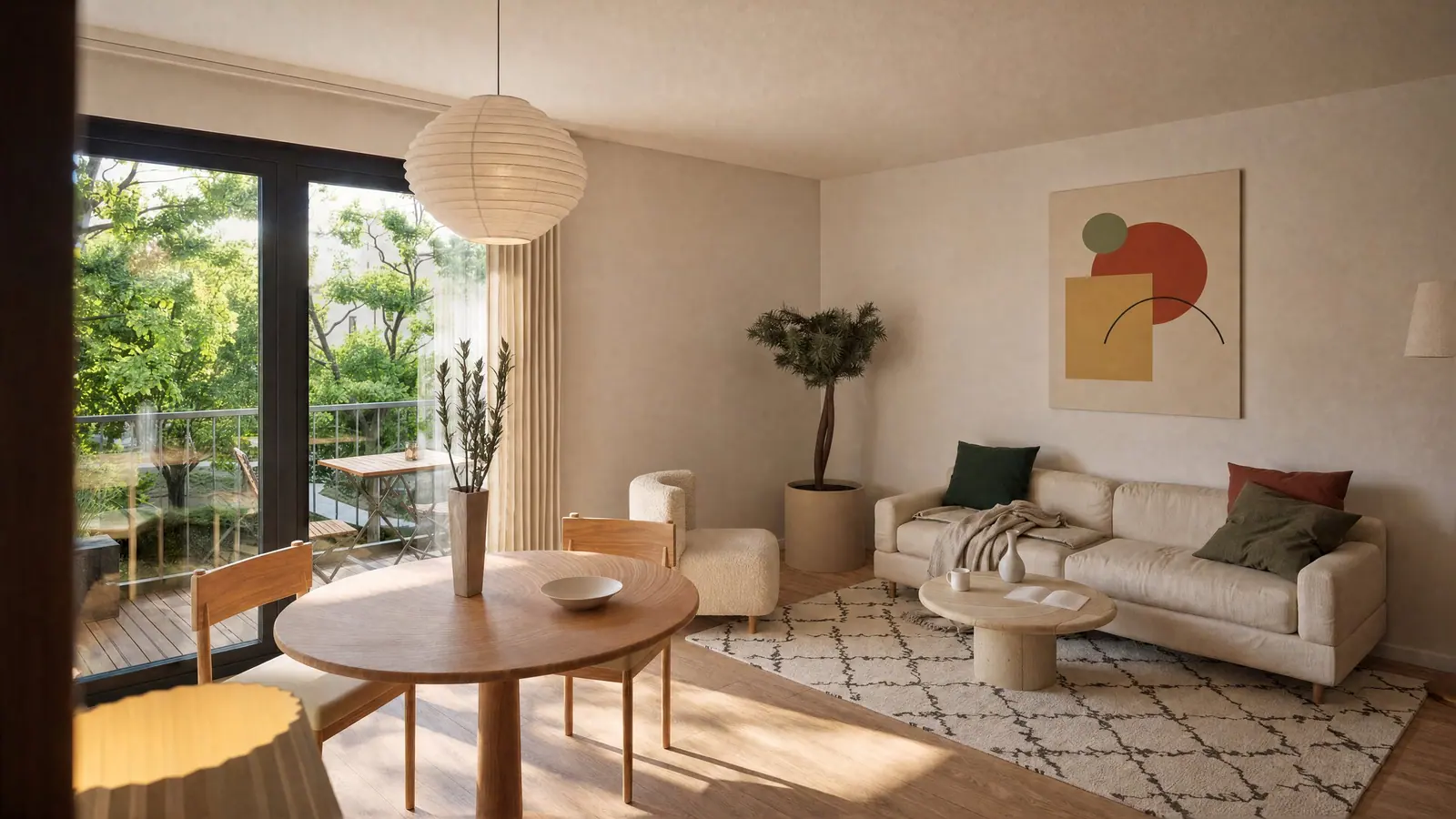
The housing market is responding not only to the general need for housing, but also to changing lifestyles and demographic developments. Particularly in demand at present are modular new builds, energy-efficient terraced houses, owner-occupied apartments with hybrid use (e.g. living + working from home) and flexible micro-neighbourhoods for mobile professionals. Classic detached-house formats are losing their dominance, while denser, community-oriented typologies are becoming more relevant.
Target groups in focus:
-
Middle-income families: High prices in inner-city locations put home ownership out of reach for many. According to a study by the German Economic Institute (IW) in Cologne, the home ownership rate is significantly higher in rural regions than in cities, which suggests that middle-income families are increasingly moving to the surrounding areas to buy property.
-
Mobile professionals and hybrid workers: The rise in working from home and remote work has created new mobility patterns. Young professionals are looking for forms of housing that offer more space for work and relaxation, with good connections to urban centres at the same time. According to the Federal Institute for Research on Building, Urban Affairs and Spatial Development (BBSR), many people want more living space in a quieter location, even if it means a longer commute.
-
Multi-generation and community-oriented households: Alternative lifestyles are also becoming more important, for example shared forms of housing, cross-generational projects or residential neighbourhoods with integrated services. The surrounding areas in particular offer more land and planning freedom for this.
Investors rediscover B and C locations
Many institutional investors who for a long time focused exclusively on city-centre locations are widening their focus: project developments in well-connected commuter belts are increasingly seen as strategically attractive because of stable demand, comparatively low entry costs and high development potential. ESG-oriented funds are also increasingly reviewing regional clusters where sustainability meets demand. One example is the special fund “HMG Grundwerte Wohnen SOZIAL”, initiated by HanseMerkur Grundvermögen AG and GBI Capital. The fund invests specifically in affordable housing, including in peripheral locations with good connections, and combines social impact with ESG-compliant standards.
Building land becomes a strategic resource
Despite theoretical land reserves, supply bottlenecks arise in many places. Municipalities often cannot create building rights fast enough to keep pace with demand. At the same time, expectations of social infrastructure, mobility and energy supply are rising, which makes project developments more complex, but also more future-proof.
Challenges: infrastructure, climate, governance
1. Transport links lag behind reality
In many places, the boom in the surrounding areas is not accompanied by the infrastructure it needs. Many municipalities are poorly connected to local public transport, especially outside the S-Bahn rings or along underdeveloped regional lines. Services are too infrequent, cross-connections are missing and road traffic is increasing noticeably. At the same time, the digital infrastructure is often immature: working from home and mobile working fail because of dead zones or missing fibre connections. According to an analysis by the newspaper El País (2024), Germany is among the countries with the worst network coverage in Western Europe: only 27% of households get 250 Mbit/s or more.
2. Land consumption as an underestimated climate risk
Every new residential area on greenfield land increases the burden on nature, soil and climate. The need for housing meets land that has so far been used for agriculture or is ecologically sensitive. Urban sprawl, fragmentation of landscapes and growing private car traffic are the result. The CO₂ balance worsens above all where compact, low-emission neighbourhoods are forgone. The challenge: urban growth without urban density.
3. Municipal control over development reaches its limits
Smaller towns and municipalities often lack the planning or staff resources to cope with the pressure of development. Many development plans are out of date, funding programmes go unused and sustainable development models are missing. The influx changes not only the built structure but also the social one: if social infrastructure such as day-care centres, schools, care services or meeting places does not grow with it, the result is overload instead of integration.
Municipal reality in figures:
-
According to the BBSR (2024), more than 60% of municipalities in the surrounding areas do not see themselves as able to plan strategically for the growing need for housing.
-
Only around 15% have integrated development concepts that consider mobility, housing and social infrastructure together.
What ESG-oriented investors need to understand now
New spaces, new responsibility
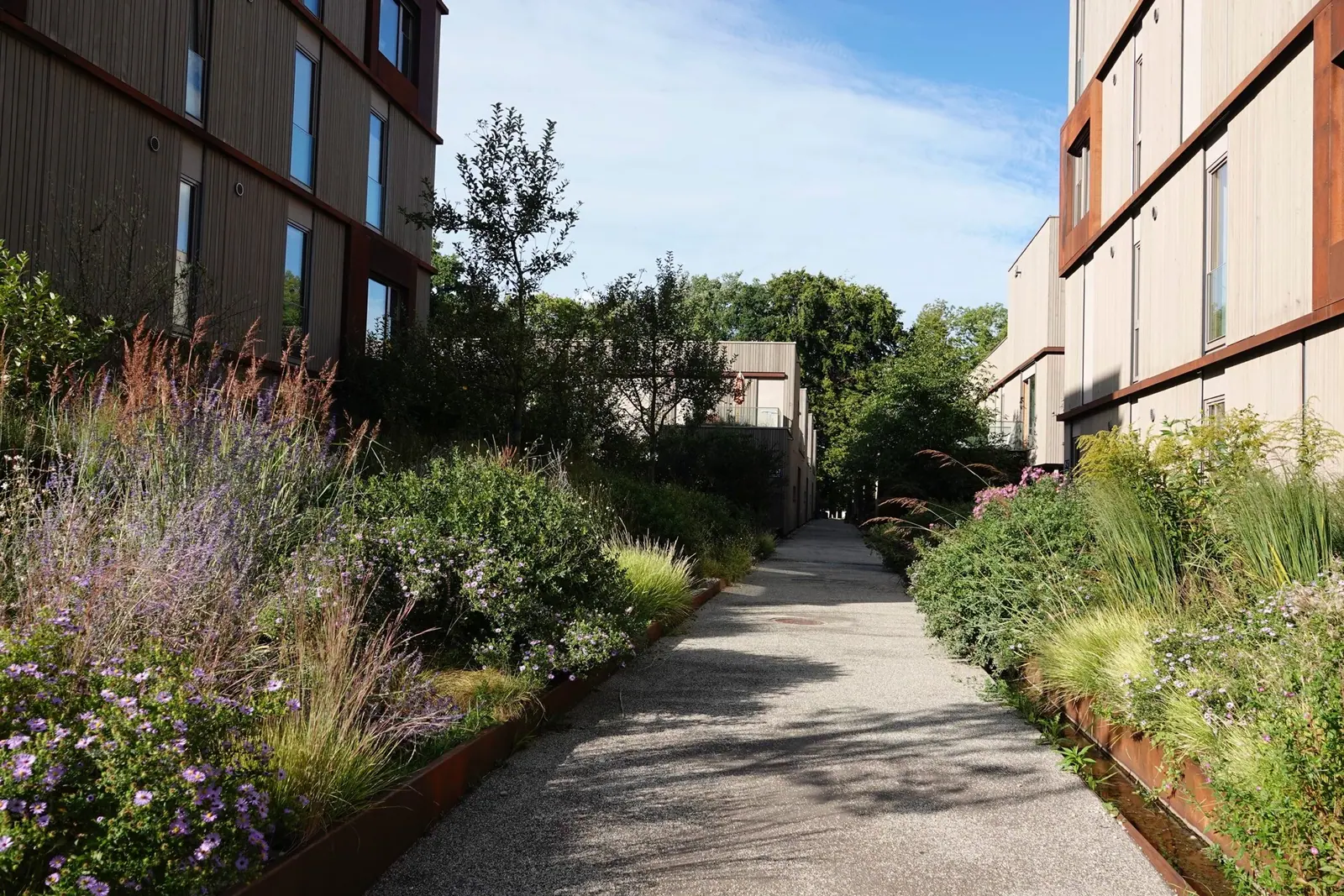
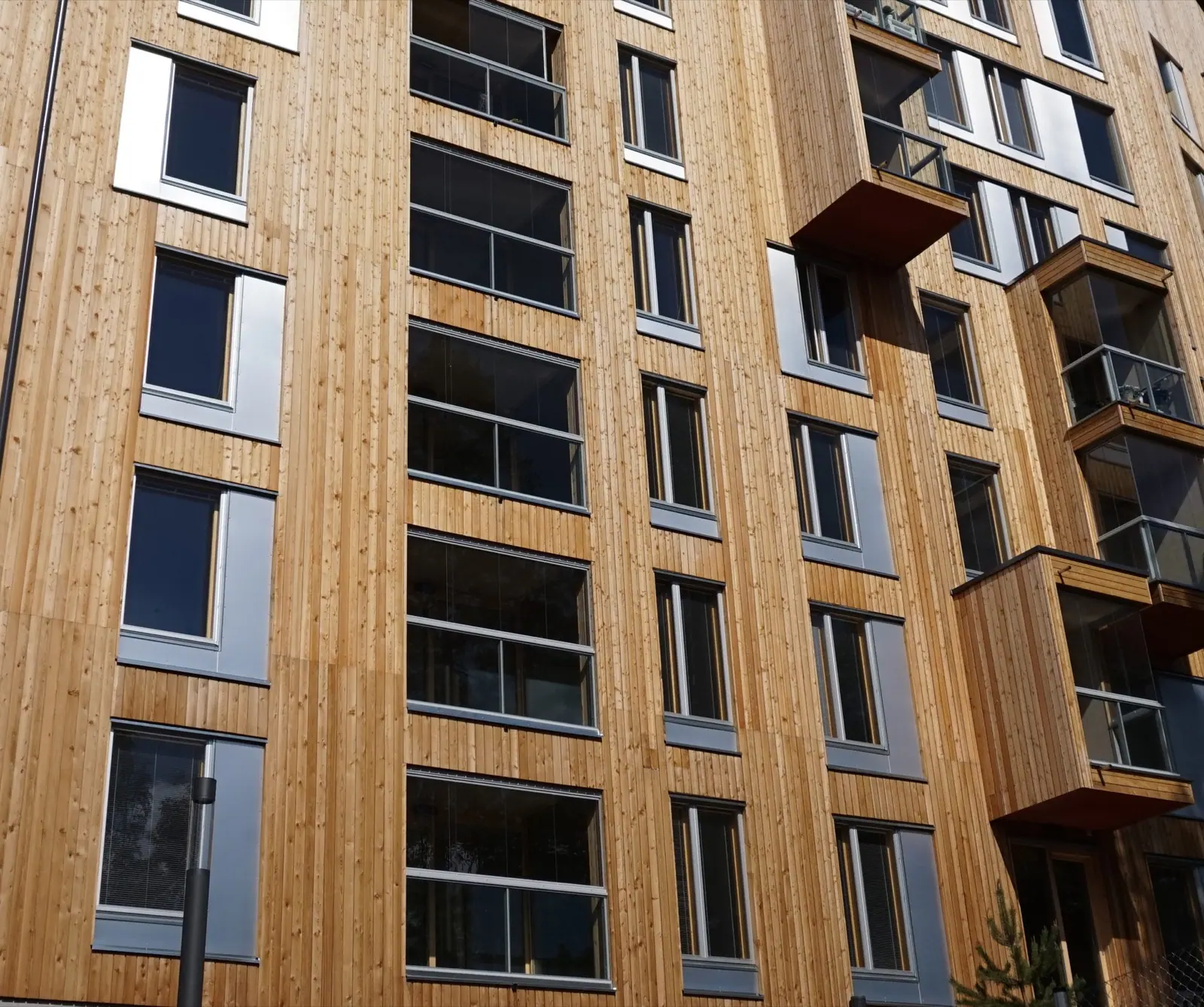
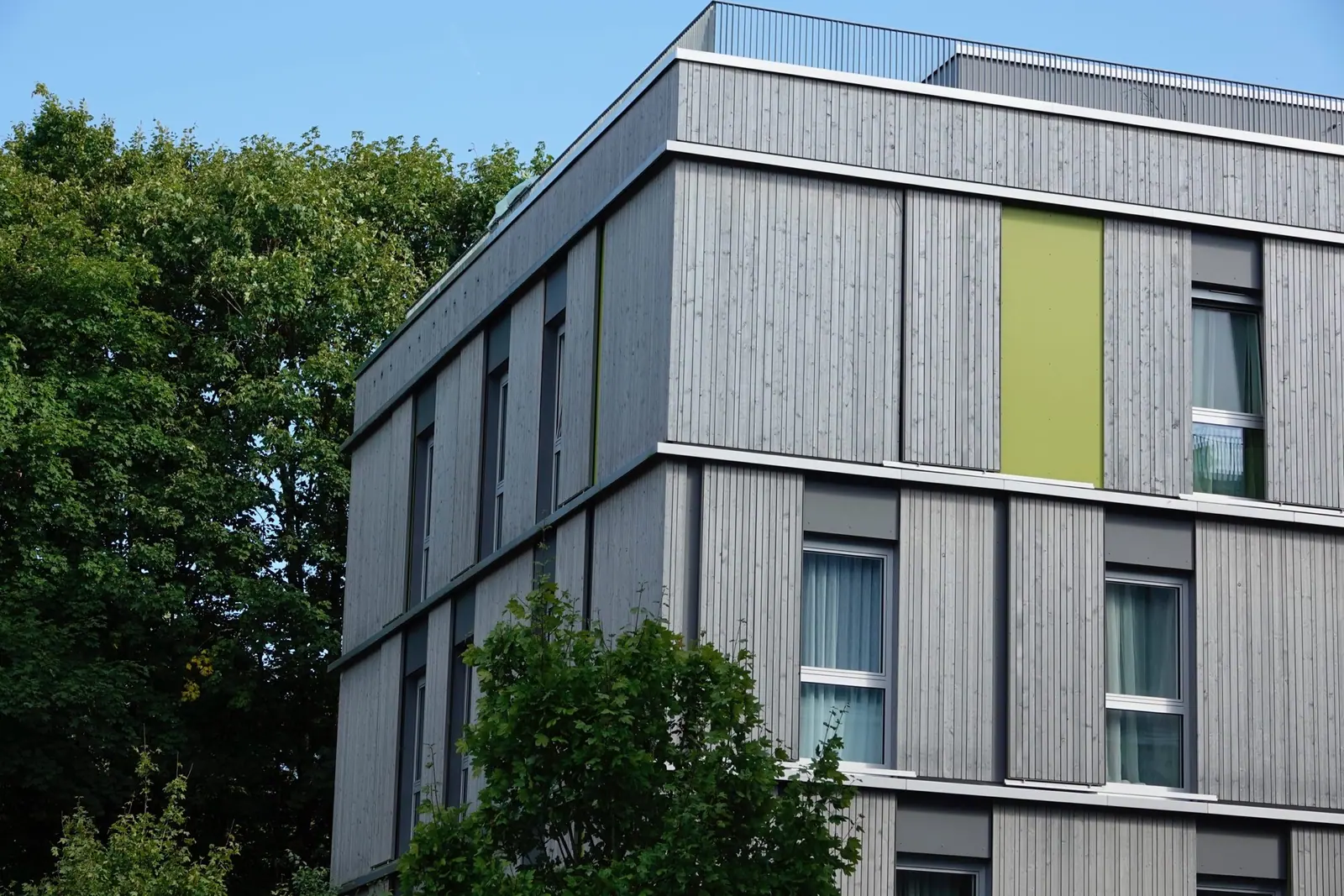
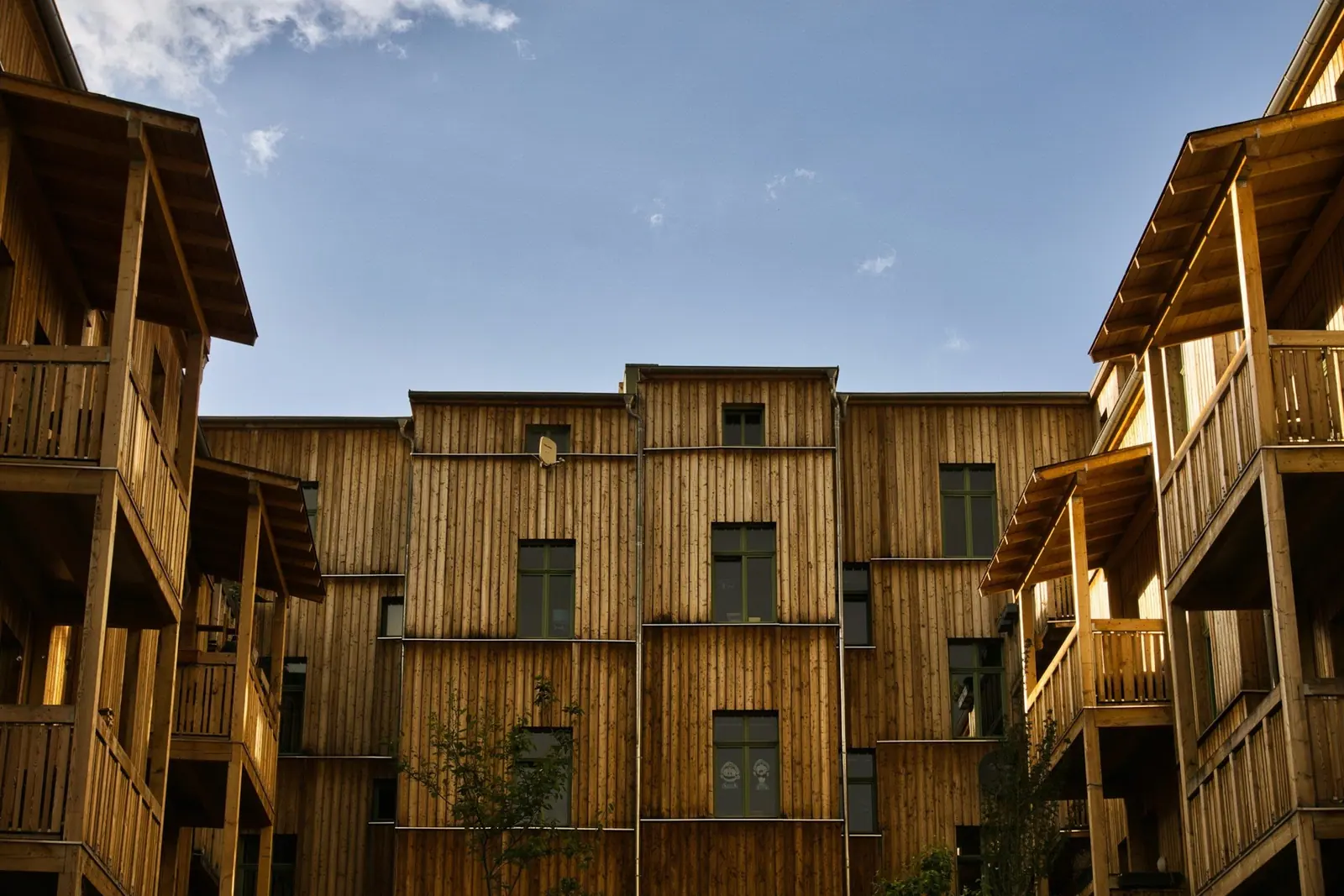
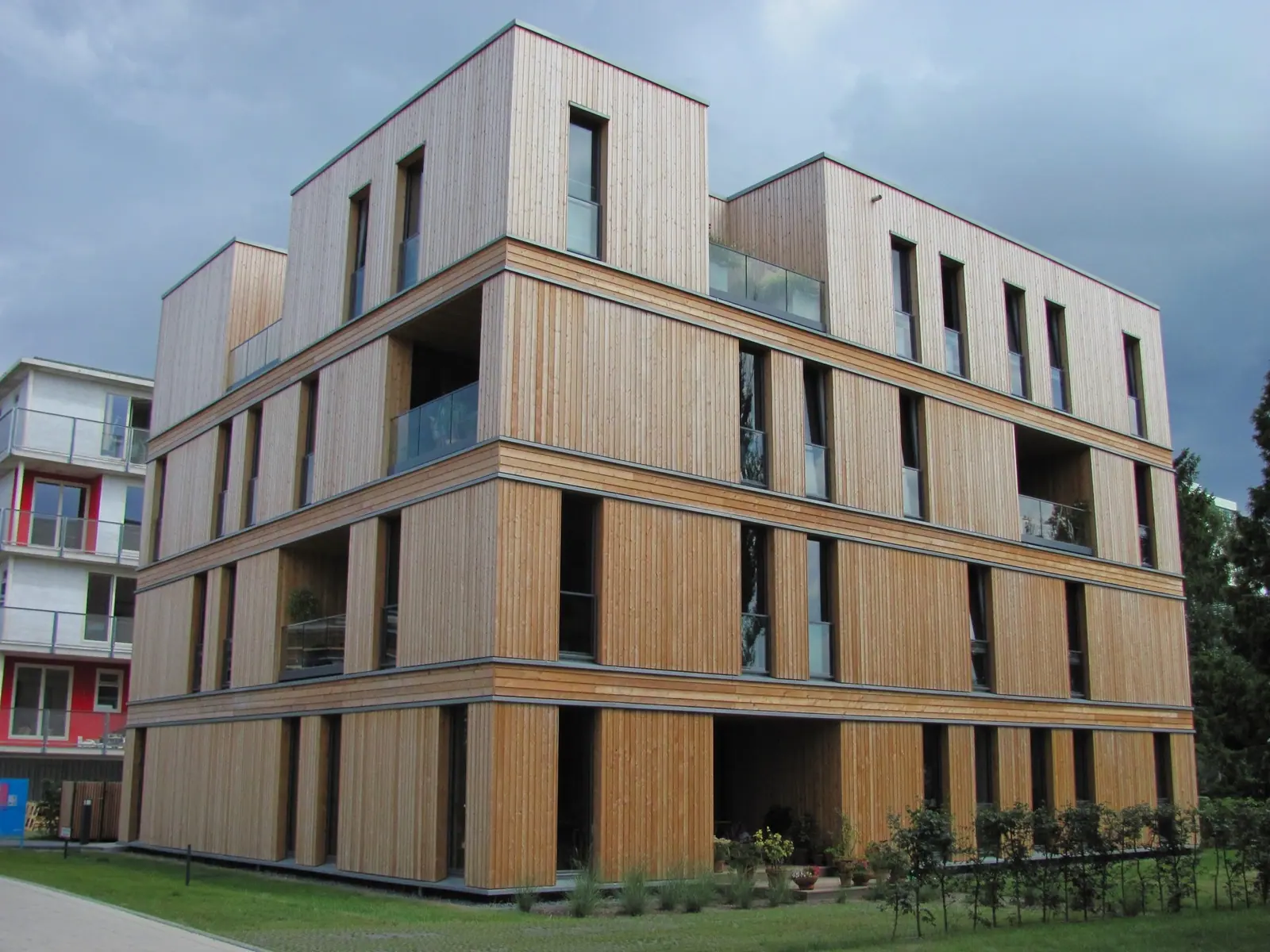
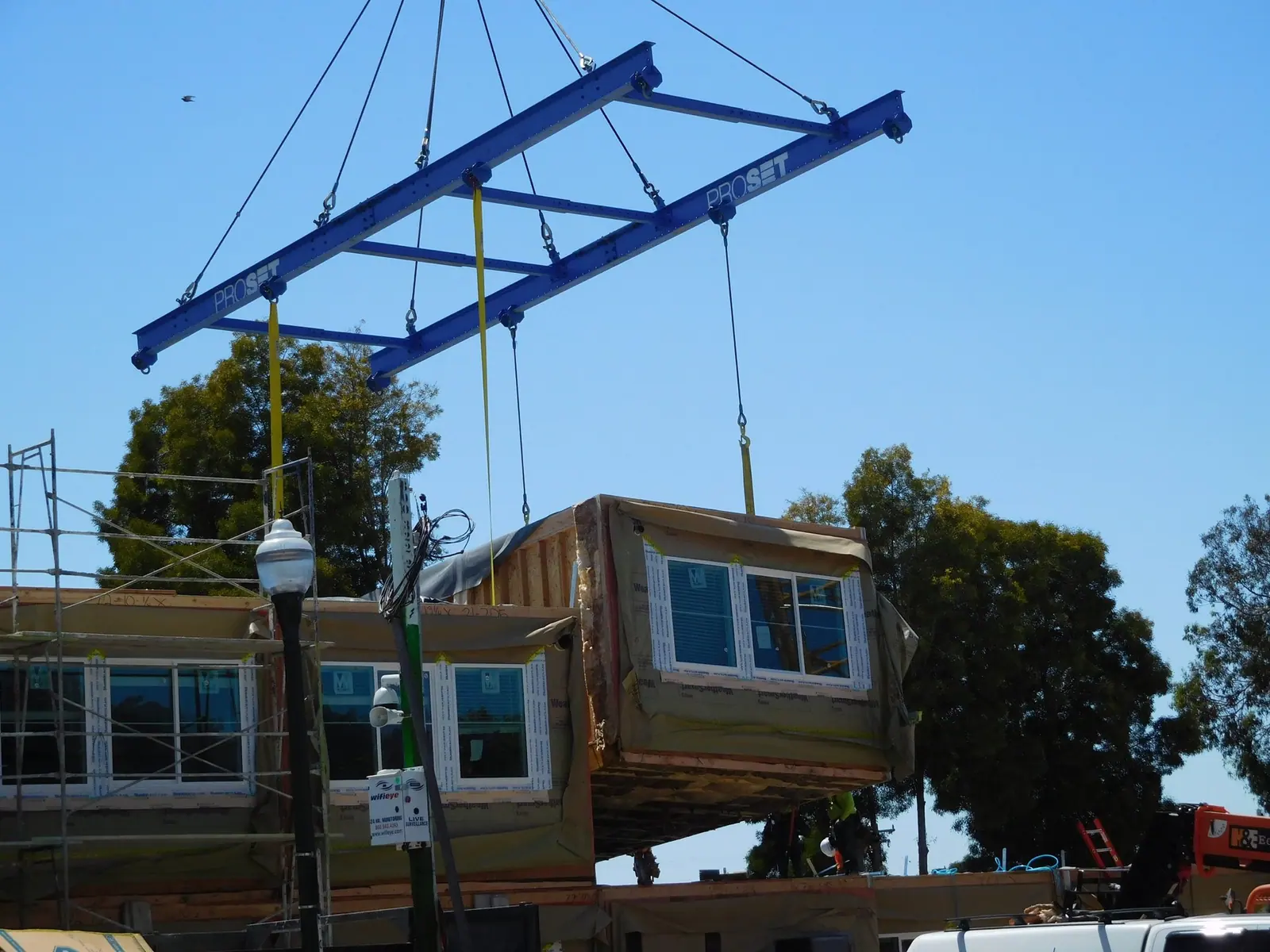
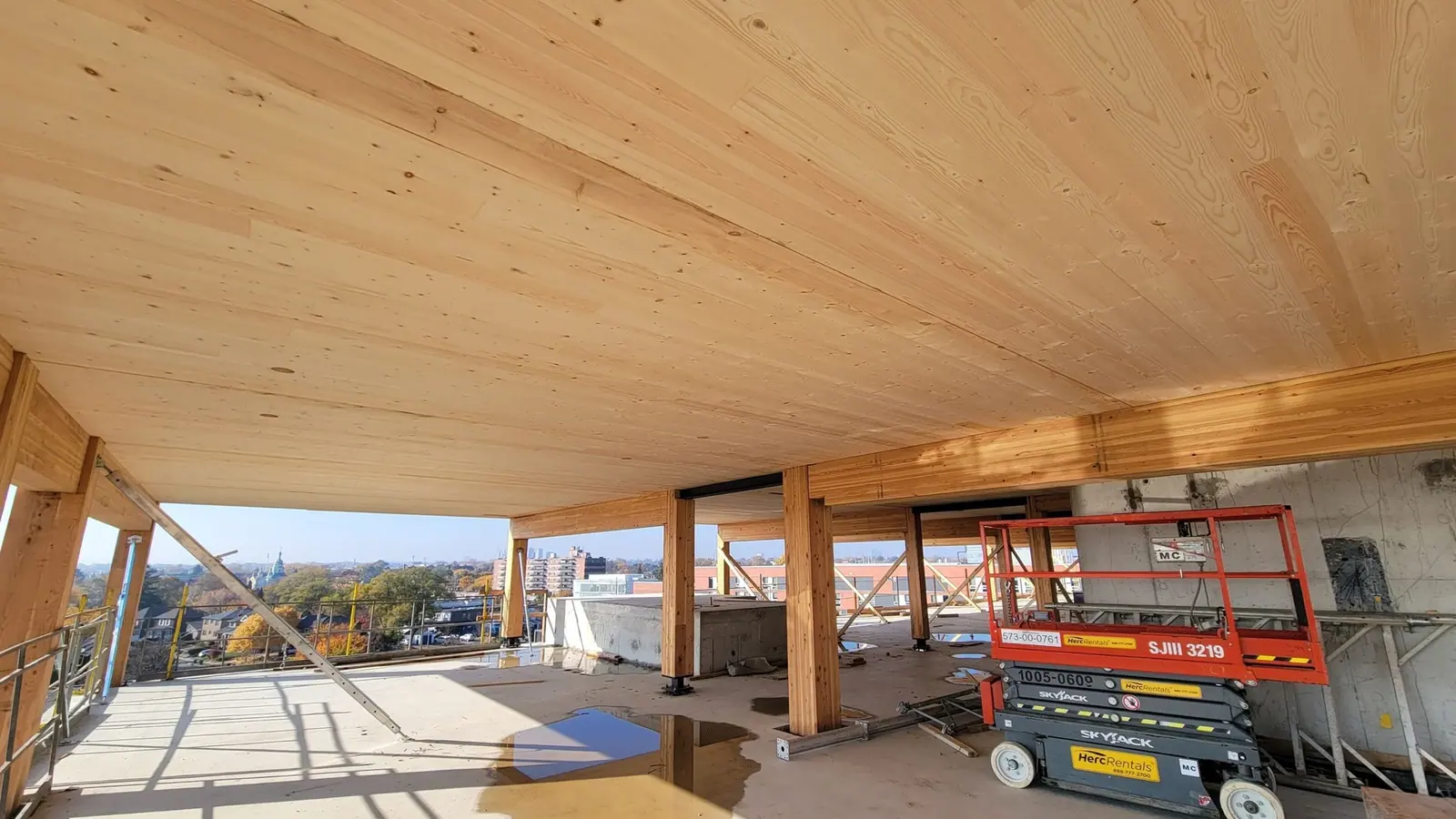
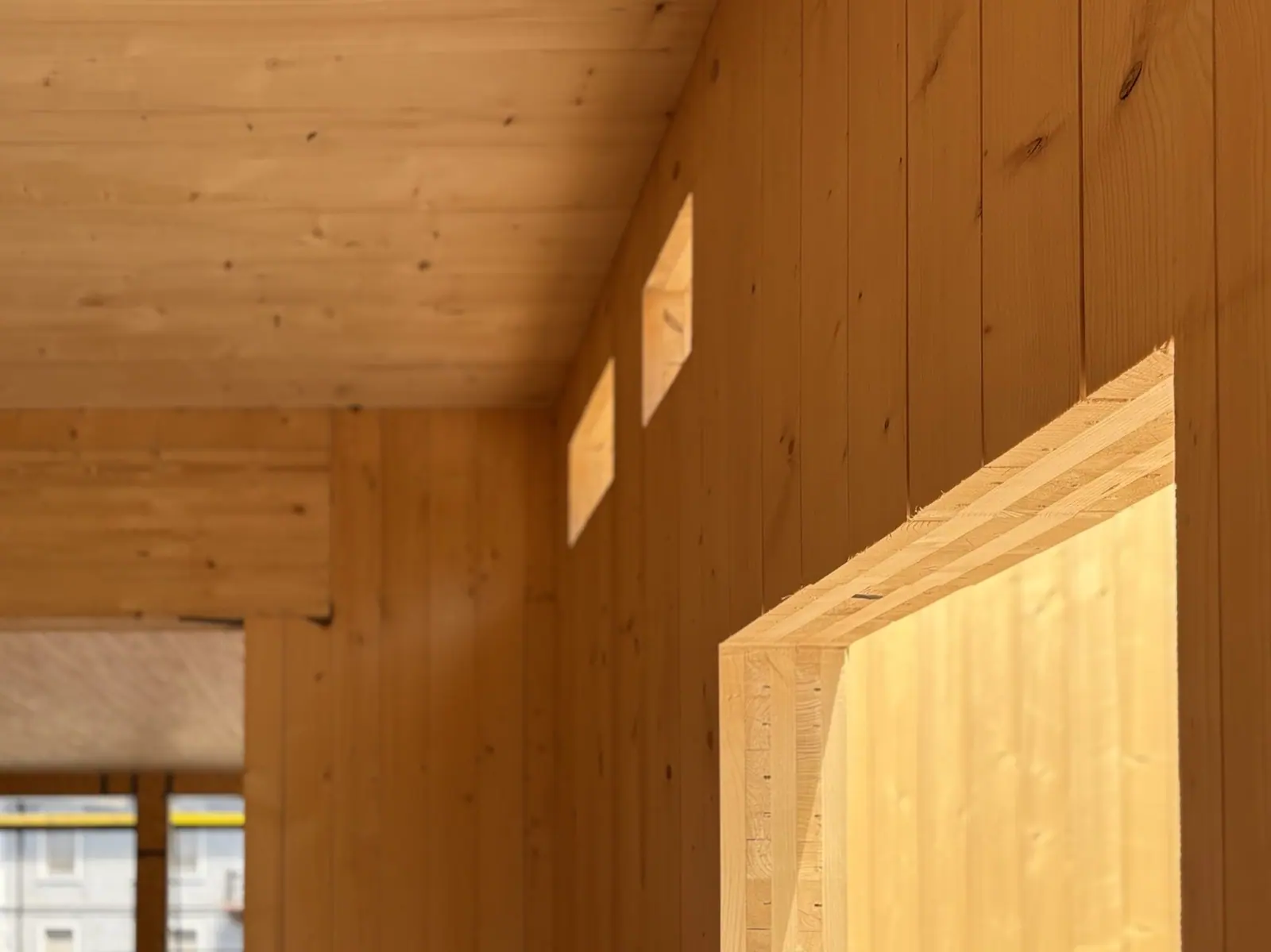
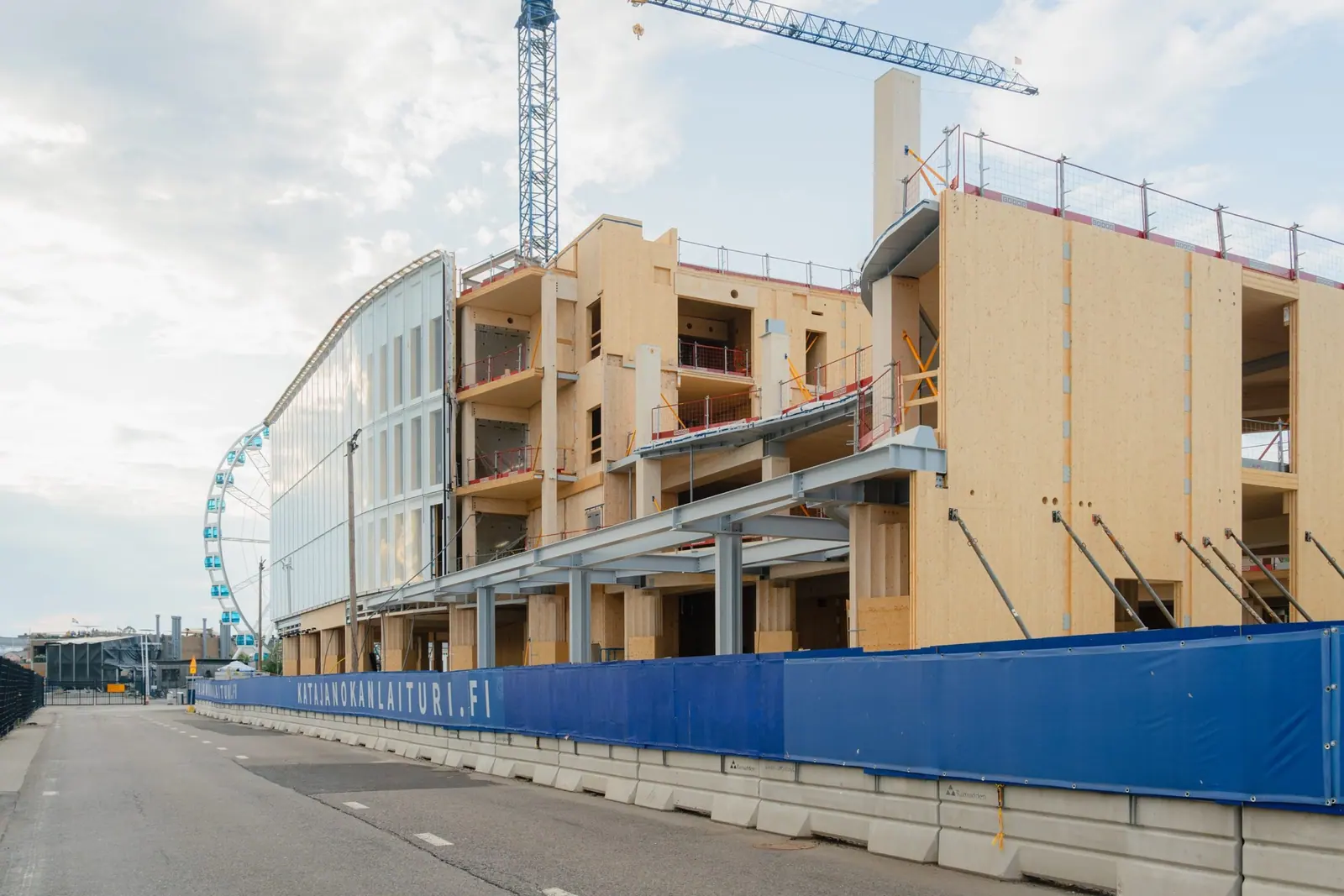
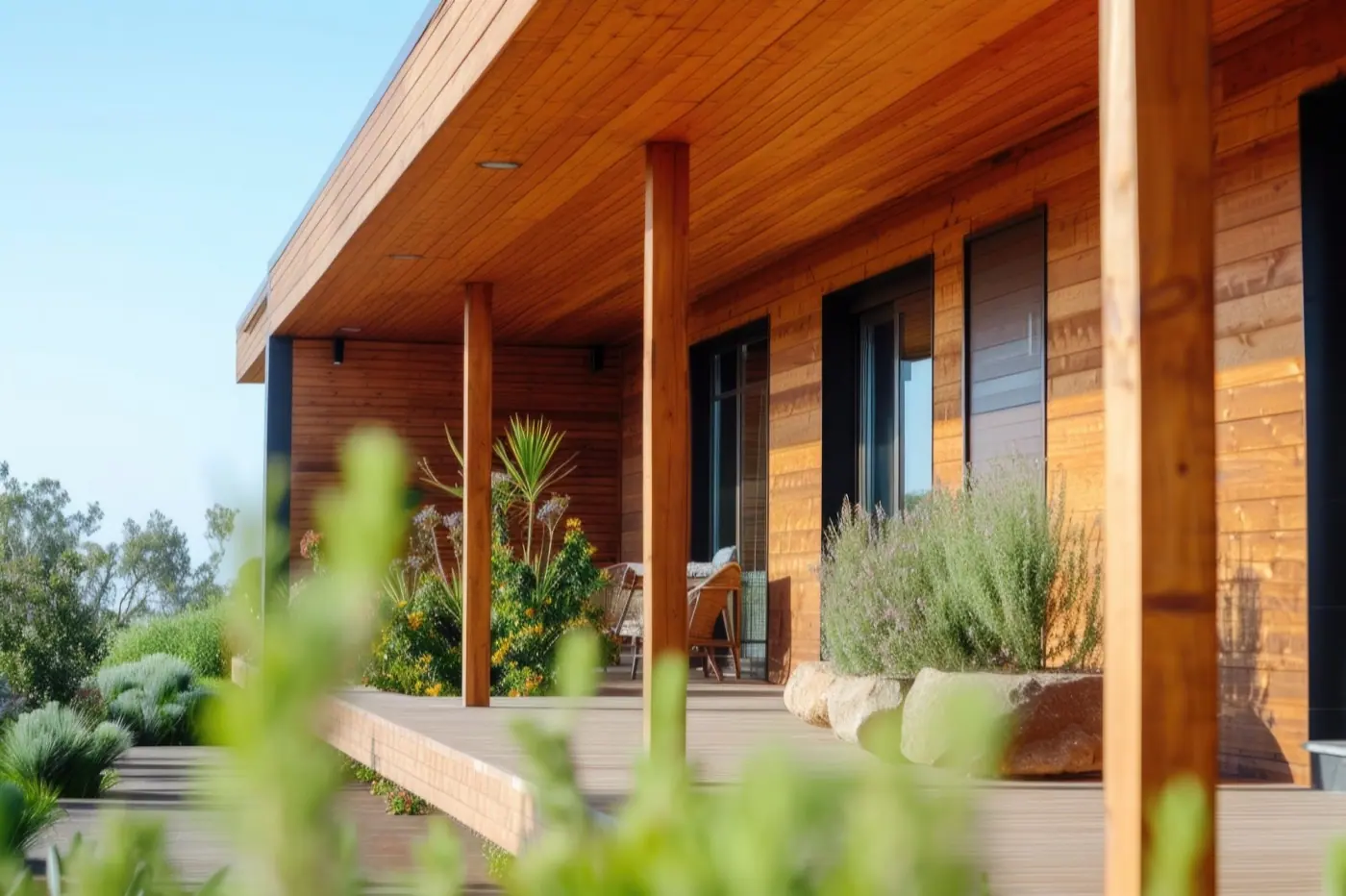
The surrounding areas offer room for sustainable project development, from energy-efficient neighbourhoods and timber modular construction to socially mixed settlements. But it takes more than land: ESG criteria have to be embedded functionally, with everyday quality, mobility concepts and long-term usability. Projects that integrate municipal goals are particularly in demand, for example through affordable housing, social infrastructure or education. Impact arises where sustainability becomes part of the system logic, not just a label at the end of the project.
How arcneo provides orientation in new spaces
In the surrounding areas in particular, the need for structure and transparency is high: project development is becoming more complex, requirements are rising and partner structures are diverse. This is exactly where arcneo curates, with projects that not only meet ESG criteria but also fit in locally. A key lever: close cooperation with municipal stakeholders. Coordination as partners produces solutions that actively integrate municipal development goals, for example in affordable housing, social infrastructure or sustainable mobility.
arcneo is currently planning several ESG-oriented projects in the surrounding regions of Germany’s seven largest cities. The platform creates comparability, impact measurement and clarity, and with them exactly the conditions needed to shape sustainable growth successfully outside the centres as well.
Conclusion
Urbanisation is shifting. What used to happen in the centres is now increasingly taking place on the fringes of the major cities. The surrounding areas are becoming a space of opportunity for housing, mobility, quality of life and impact. But this change does not happen by itself: it requires strategic planning, functioning infrastructure and cooperation as partners with the municipalities. Anyone who wants to develop the surrounding areas sustainably has to think about more than plots and floor space. arcneo creates the necessary framework for this: as a platform for ESG-oriented real estate investments, arcneo connects capital with profitable projects in the surrounding regions of the top 7 cities, projects that have an impact where growth does not just happen but is shaped.
Frequently asked questions
- Why are more and more people moving to the surrounding areas?
- High housing costs, dense city centres and new lifestyles mean that many people are deliberately moving to the surrounding areas, for more space, peace and quiet and home ownership.
- Which regions are seeing particularly strong inflows?
- Growth is mainly in the commuter belts around Berlin, Munich, Frankfurt, Leipzig and Hamburg. Smaller regional centres are also becoming more attractive.
- What does this development mean for municipalities in the surrounding areas?
- Many municipalities face challenges: missing infrastructure, overstretched planning capacity and a growing need for social integration.
- What opportunities do the surrounding areas offer ESG investors?
- In the surrounding areas, sustainable mixed-use neighbourhoods can be developed, often with more design freedom and direct cooperation with the municipality.
Jonathan Albroscheit writes for arcneo Insights about the housing market, regulation and the team.
Read more
More Insights

The housing question 2025: how Germany’s housing shortage is getting worse and what helps
According to recent studies, there is a nationwide shortage of around 700,000 apartments, especially in large cities and growth regions.

Demographics and real estate: how change is influencing demand
Demographic change is altering the housing situation of older people, and with it demand.
Why real estate is still a good asset class in 2025
Real estate has traditionally been seen as one of the most stable forms of investment. Demand for tangible assets rises especially in economically uncertain times.
Contact
Get to know the team
Get to know the team in a personal conversation. We will show you documents and current project information and answer your questions.
- Personal conversation with the team
- Documents and project information