





Demographics and real estate: how change is influencing demand
Demographic change presents Germany with considerable challenges, especially in the housing situation of older people. According to the Federal Government’s Ninth Report on Ageing, older people in Germany lead diverse and…

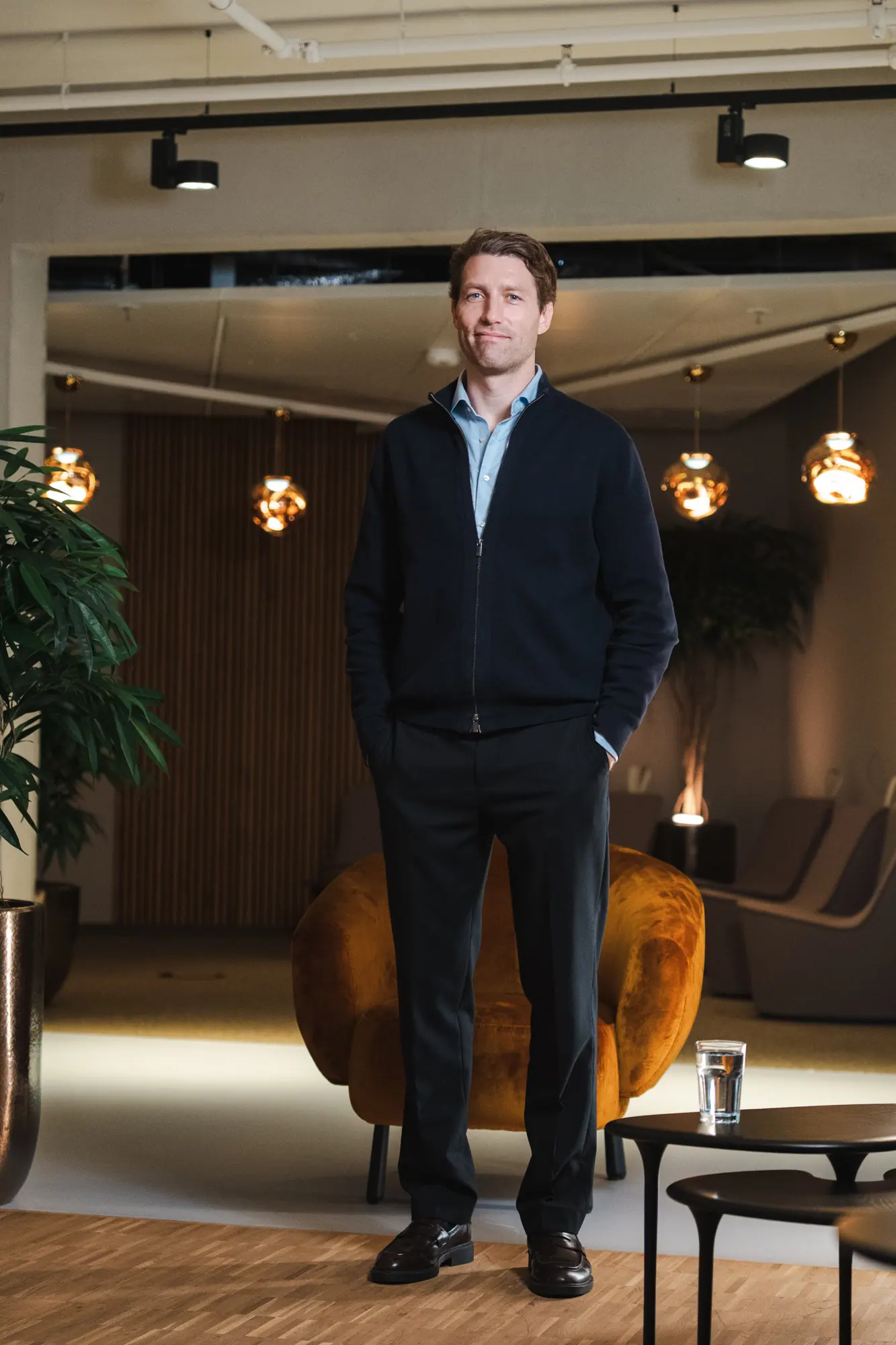
 Jonathan AlbroscheitFounder and CRO, arcneo
- Published
- 18 May 2025
- Reading time
- 5 minutes
In brief
- Demographic change drives housing demandBy 2030 the share of over-65s will rise to around 28%, which increases the need for barrier-free apartments.
- Shortage of barrier-free apartments
- Municipalities face enormous challenges
- High demand for scalable housing solutions
Demographic change presents Germany with considerable challenges, especially in the housing situation of older people. According to the Federal Government’s Ninth Report on Ageing, older people in Germany lead diverse and active lives into old age, but often come up against barriers in their living environment. Many live in apartments that are not age-friendly, which limits their independence.
This has a direct effect on the real estate market and presents challenges for municipalities and investors alike. In this article we analyse these developments and show how arcneo is developing innovative solutions to this challenge.
Changes in Germany’s age structure
Germany is ageing steadily. According to the Federal Statistical Office (Destatis), the share of over-65s will rise to around 28% by 2030. The group of over-80s is growing particularly fast: their number could rise from around 6 million today to more than 10 million by 2050. At the same time, the number of younger people in work is falling, which in the long term also changes the financial basis for housing and social concepts.
Effects on real estate demand
While the population as a whole is shrinking, demand for age-friendly housing is rising sharply. However, many existing properties are not barrier-free.
The effects on the real estate markets vary from region to region:
-
Urban regions: In major cities such as Berlin, Munich and Hamburg, the need for barrier-free apartments is growing. But new builds are not keeping pace with demand, which leads to rising prices.
-
Rural areas: Many older people want to stay where they have their roots. But there is often a lack of age-friendly housing there, while at the same time young people are moving away.
According to estimates, Germany is currently short of around 2 million age-friendly apartments. Yet the construction of new age-friendly apartments is not keeping pace with demand, and conversions are often costly and complex.
Challenges for municipalities
Many towns and municipalities face the challenge of providing age-friendly housing. According to a survey by the German Association of Towns and Municipalities, 94% of municipalities cannot meet the growing need.
Main obstacles:
-
Lack of funds: Many towns and municipalities cannot provide enough support for new construction or conversion.
-
Lack of scalable building concepts: High construction costs often prevent economically viable projects from going ahead.
-
Lack of partners: Municipalities often lack specialised partners who not only deliver concepts but also support execution with know-how and resources.
Challenges for older people
Many older people want to stay in their familiar surroundings, but their apartments are often not age-friendly. Narrow bathrooms, missing lifts and high door thresholds make everyday life harder. A conversion would be necessary, but it comes with high costs.
Many older people are prepared to move into an age-friendly home: according to a study by the Federal Institute for Research on Building, Urban Affairs and Spatial Development, senior households aged 65 and over show an increased willingness to do so. At the same time, the costs of an age-friendly conversion are often high: measures such as installing a ramp or a platform lift can cost between €5,000 and €12,000. These financial hurdles make moving into age-friendly housing the only realistic option for many. Modern, barrier-free apartments with well-thought-out concepts that make independent living possible are particularly in demand.
The arcneo approach: age-friendly residential construction
arcneo develops housing solutions tailored specifically to the needs of older people: economically scalable, sustainable and adaptable to different sites. We also enable our clients to deploy capital specifically in these projects and to actively promote social sustainability.
Our approach:
-
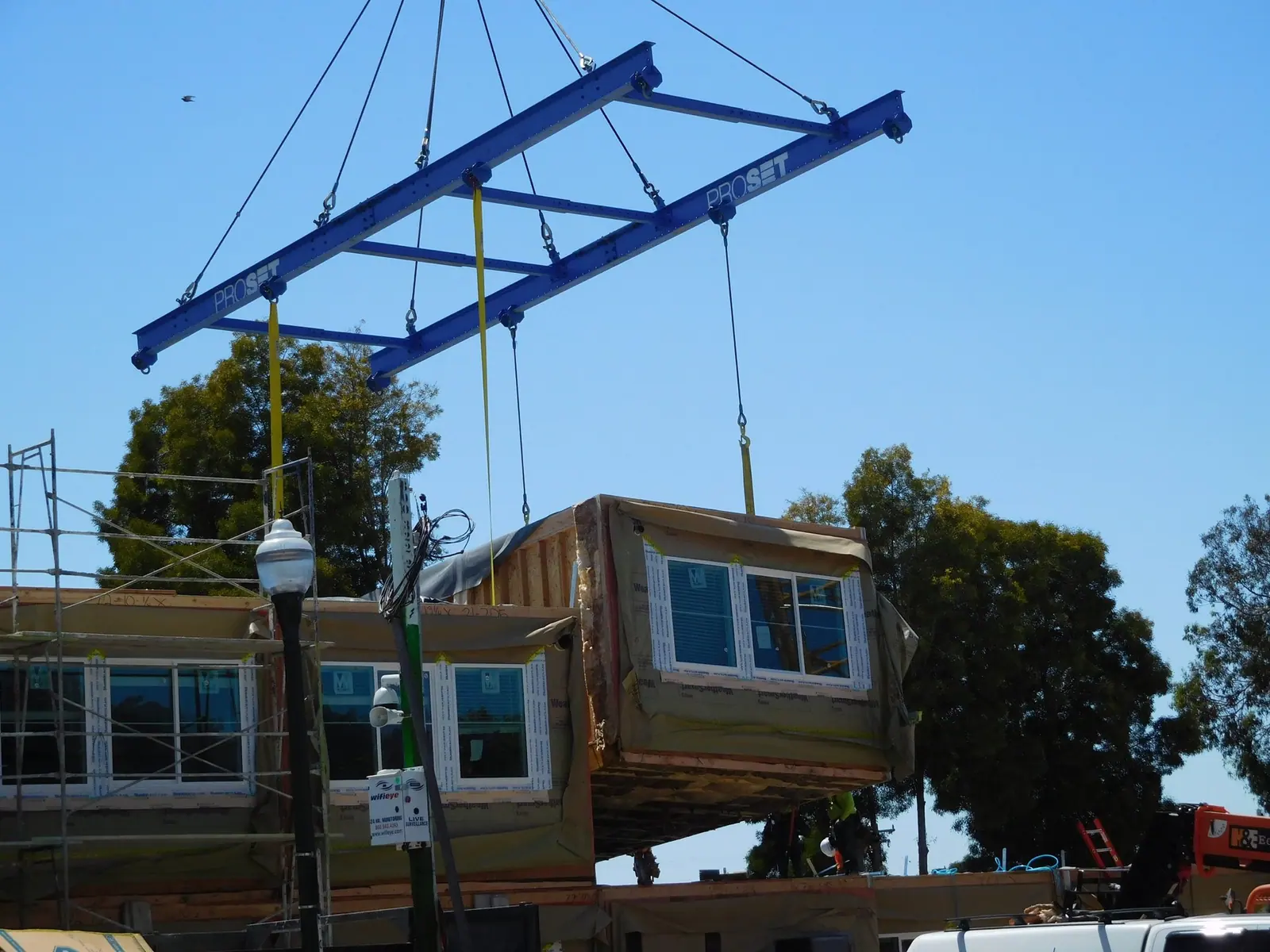
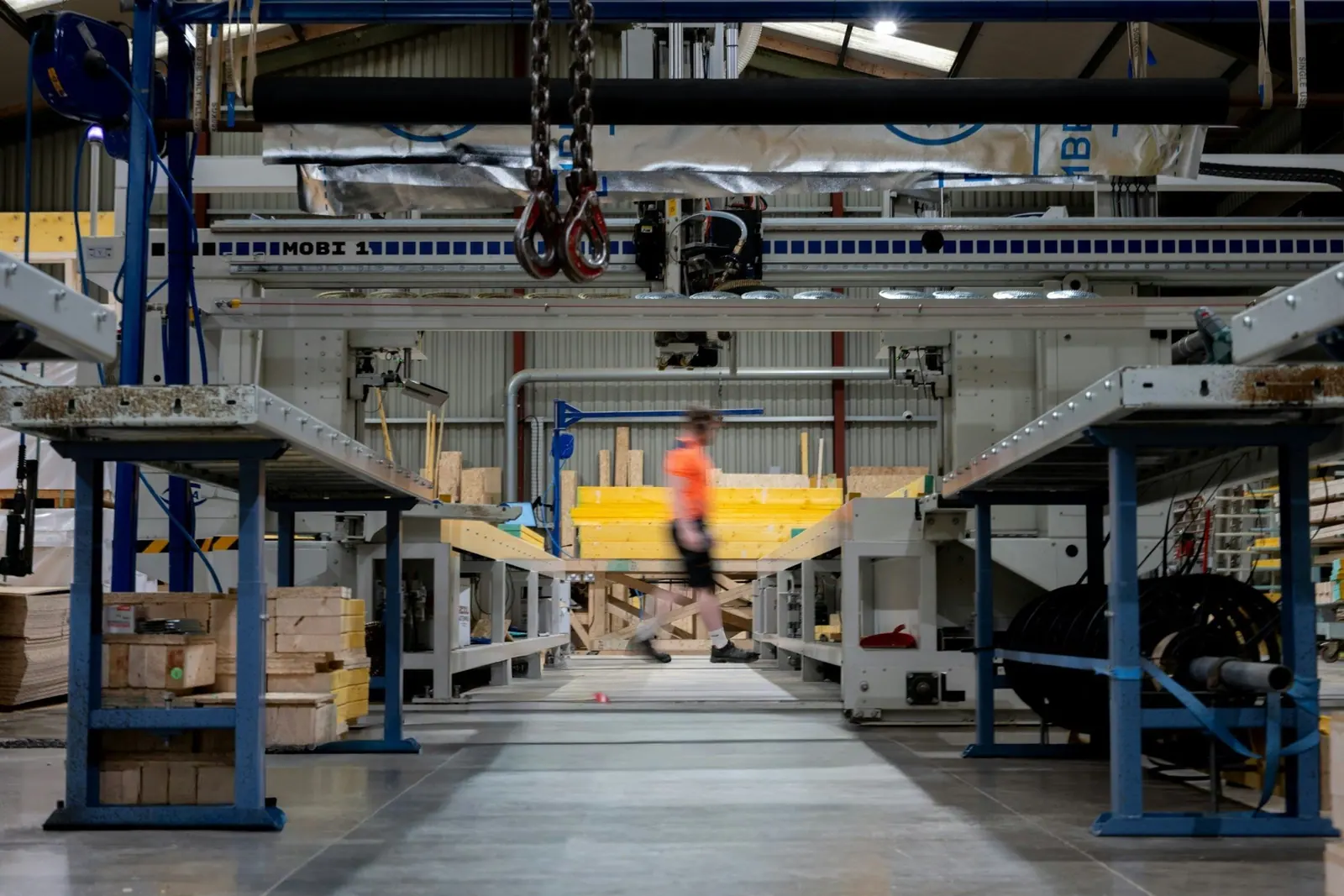
Cost-efficient construction method: Modular concepts and digital planning lower construction costs and speed up execution.
-
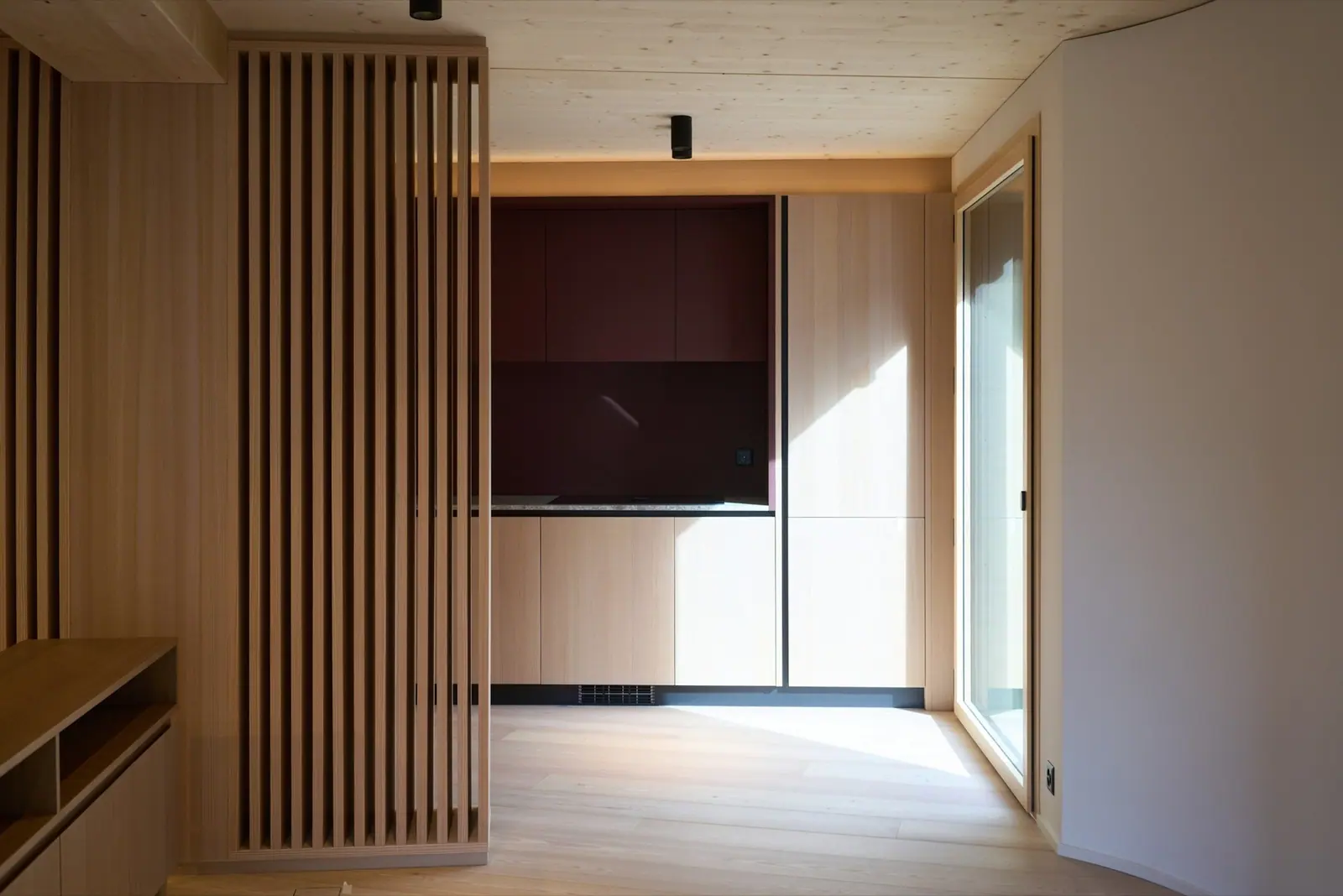
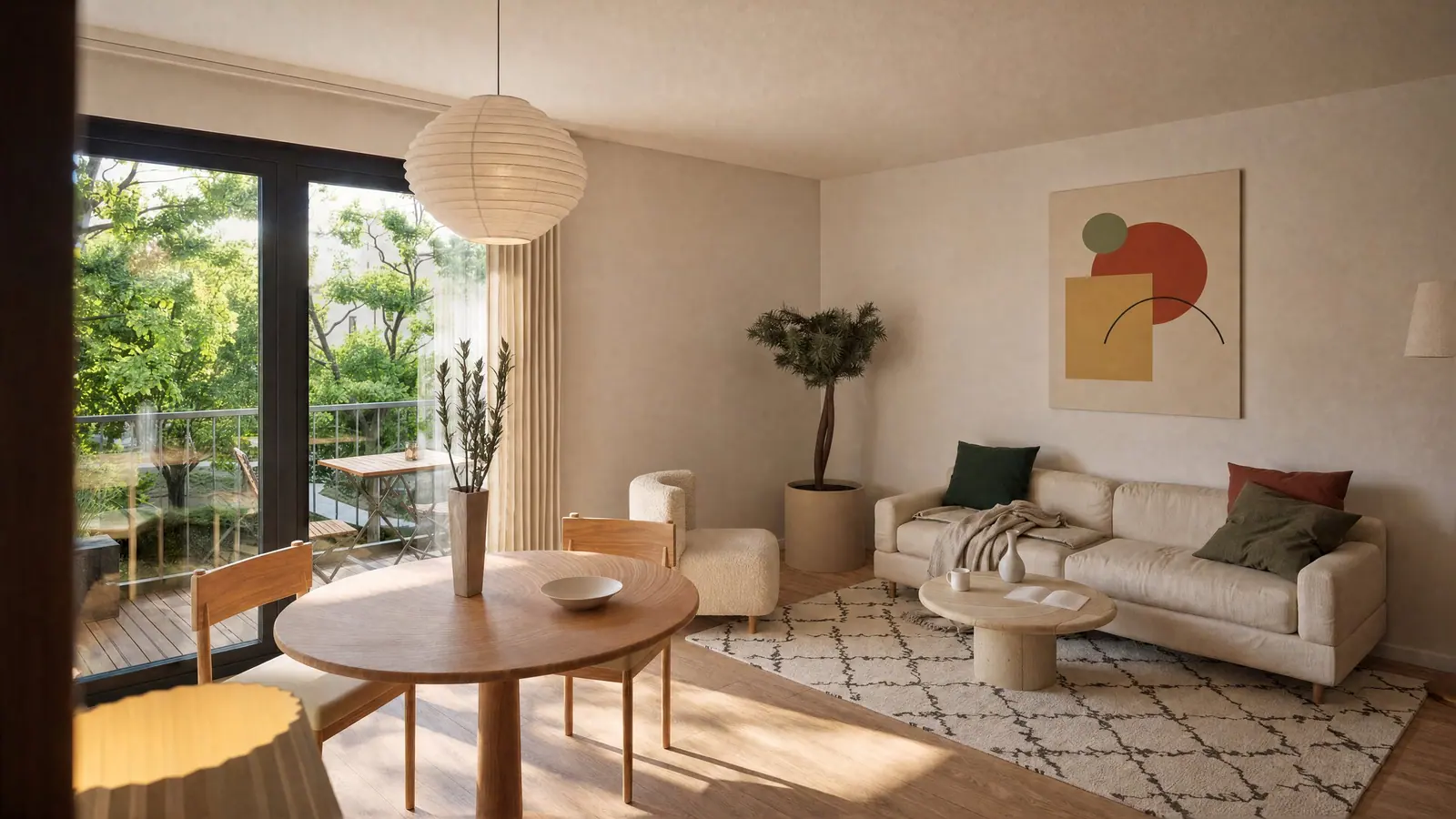
Barrier-free, future-proof housing solutions: Well-thought-out floor plans, innovative materials and smart technologies improve living comfort.
-
Partnerships with municipalities and investors: Through intelligent financing models and cooperation, we create affordable age-friendly housing.
Conclusion
Demographic change is fundamentally changing the real estate market. While the need for age-friendly apartments keeps growing, there is a lack of suitable housing in many places. Municipalities and investors face the task of developing new housing concepts that are barrier-free, affordable and sustainable.
This is exactly where arcneo comes in: with innovative, economically viable solutions we are shaping the housing of the future, for an independent life in old age. Through our bond, investors can actively help solve this social problem and create sustainable housing.
Jonathan Albroscheit writes for arcneo Insights about the housing market, regulation and the team.
Read more
More Insights
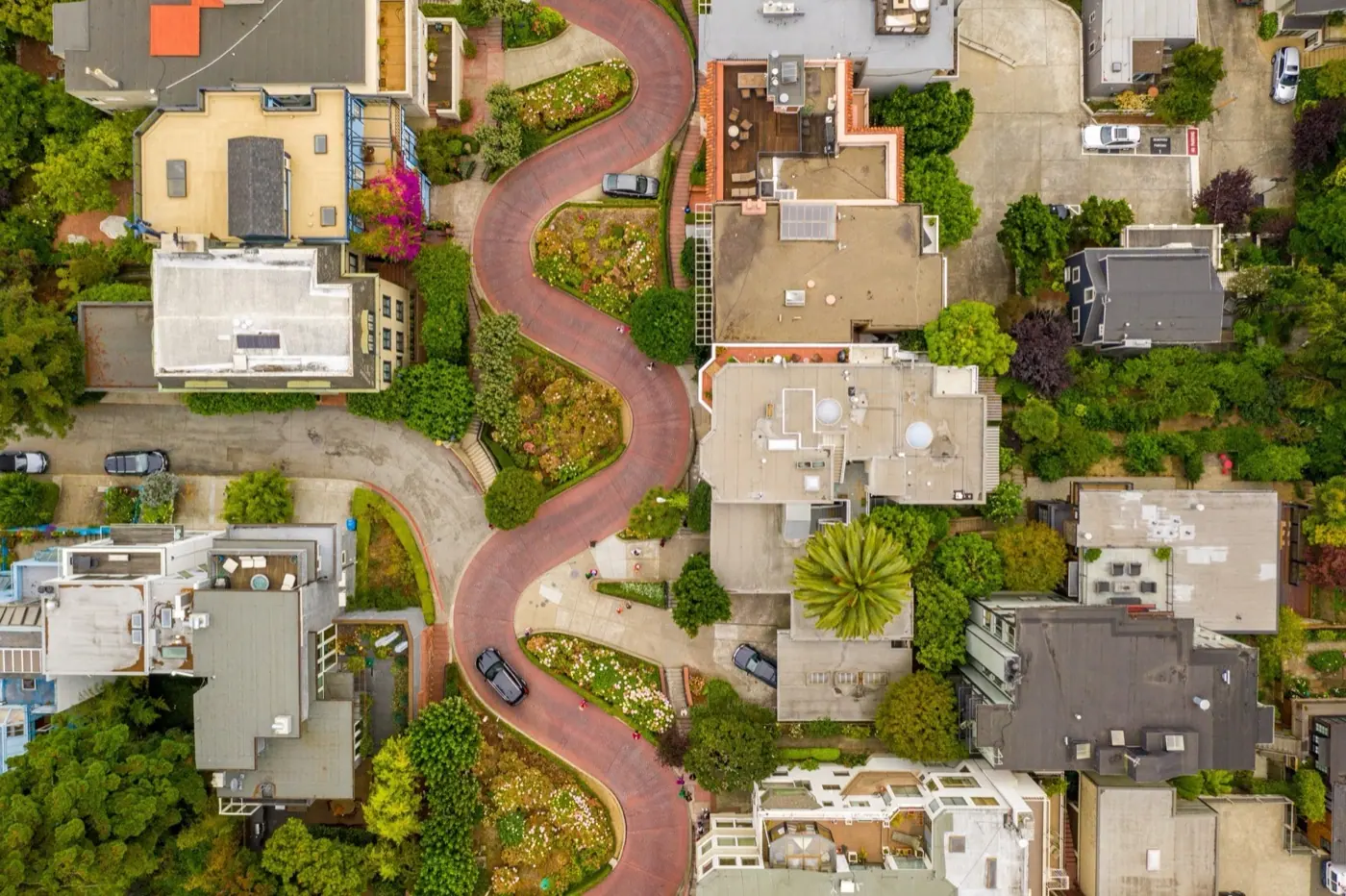
Urbanisation of the outskirts: why the surrounding areas are booming
In 2024, for the first time, more than 41% of home seekers in German metropolitan regions looked specifically in the surrounding areas.

The housing question 2025: how Germany’s housing shortage is getting worse and what helps
According to recent studies, there is a nationwide shortage of around 700,000 apartments, especially in large cities and growth regions.
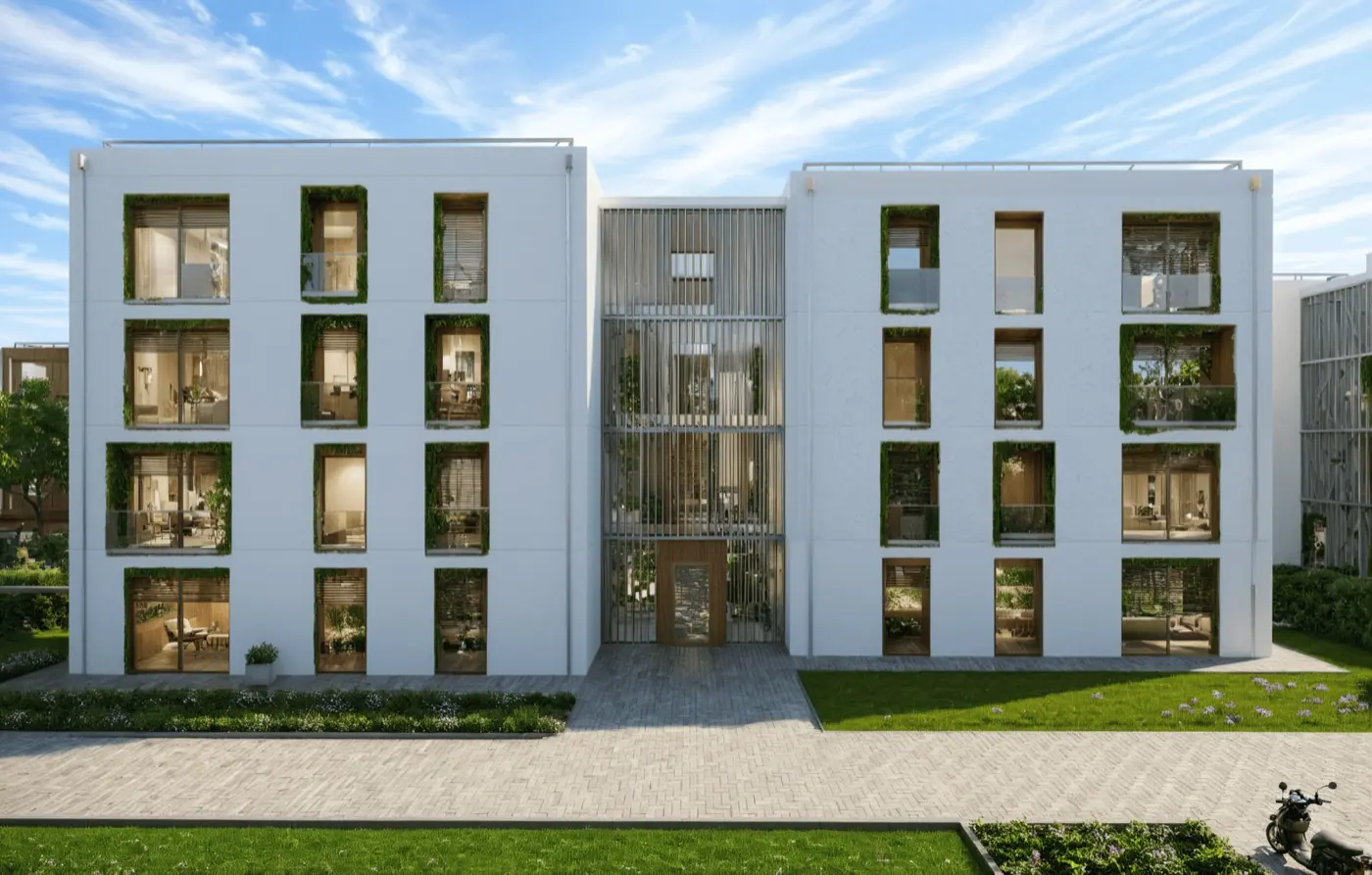
Why real estate is still a good asset class in 2025
Real estate has traditionally been seen as one of the most stable forms of investment. Demand for tangible assets rises especially in economically uncertain times.
Contact
Get to know the team
Get to know the team in a personal conversation. We will show you documents and current project information and answer your questions.
- Personal conversation with the team
- Documents and project information