














Why real estate is still a good asset class in 2025
Real estate has traditionally been seen as one of the most stable forms of investment and, for many of you, is an important building block in preserving wealth. Especially in economically uncertain times, demand rises for tangible assets, which are considered…
 Jonathan AlbroscheitFounder and CRO, arcneo
- Published
- 7 January 2025
- Reading time
- 6 minutes
In brief
- Real estate industry under pressure
- Crisis-proof tangible asset with substance
- Real estate remains a core asset class
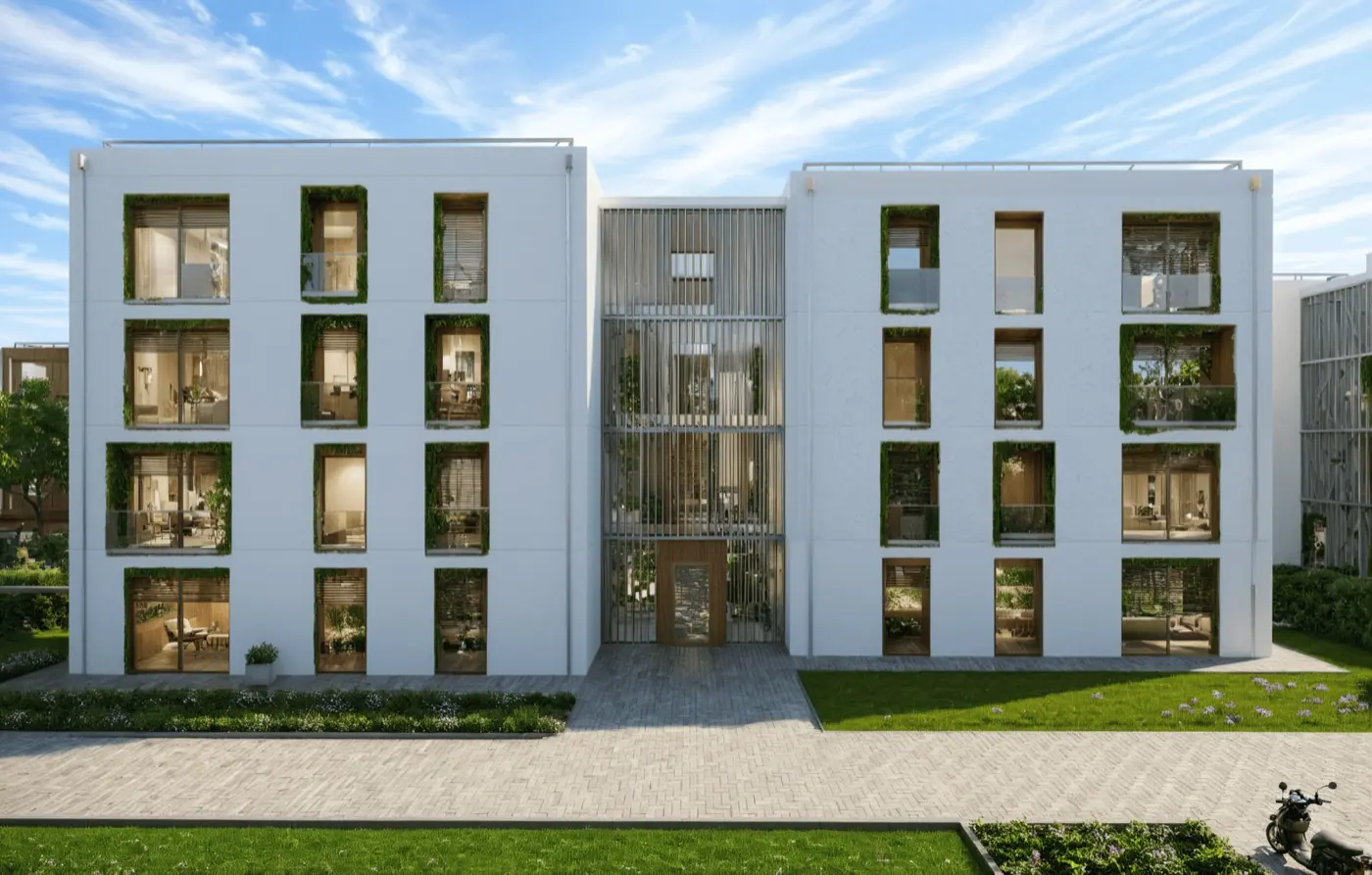
- Sustainability shapes the future of construction
Real estate has traditionally been seen as one of the most stable forms of investment and, for many of you, is an important building block in preserving wealth. Especially in economically uncertain times, demand rises for tangible assets, which are considered resistant to inflation and stable in value. But the conditions for real estate investment have changed a great deal in recent years. Rising interest rates, tighter regulation and high purchase prices present you as an investor with new challenges.
These developments raise key questions: is investing in real estate still worthwhile in 2025? What opportunities and risks are there? And what alternatives are open to you? In this article we look at the different forms of real estate investment, analyse current market trends and give you a well-founded assessment of the profitability of this asset class. Finally, you get guidance on whether, and under what conditions, real estate remains an attractive investment opportunity.
Real estate as an asset class: an overview
Real estate gives you the opportunity to preserve your wealth in the long term and to generate passive income. But not every property is the same. There are different forms of real estate investment, which differ in risk, return and liquidity:
Different types of real estate investment
-
Direct investments: The classic purchase of individual apartments, multi-family houses or commercial properties to rent out or to use yourself.
-
Benefits: Full control over the property, long-term increase in value and direct rental income.
-
Drawbacks: High capital requirement, management effort and risks from vacancy or loss of rent.
-
-
Indirect investments: Stakes in real estate funds, real estate investment trusts (REITs) or crowdinvesting platforms.
-
Benefits: Lower capital outlay, broader diversification and professional management.
-
Drawbacks: Less control, management fees and potential fluctuations from market movements.
-
-
Specialised real estate: Investments in care properties, holiday properties or sustainable construction projects, which often promise special tax advantages or high demand.
-
Benefits: Attractive return opportunities in niche markets and in some cases state subsidies.
-
Drawbacks: Greater dependence on specific market conditions and often strict regulation.
-
Benefits of real estate investments
1. Stability and protection against inflation
Real estate is considered stable in value and offers you protection against inflation, because rents are often linked to the rate of inflation. Historical data show that property prices in Germany have risen by around 79.5% in nominal terms since 1995. This is well above the cumulative inflation rate over the same period, which points to a real increase in value. Rents have also risen disproportionately in many regions, which can ensure stable income in the long term.
2. Regular rental income
As the owner of a rented property, you benefit from a steady stream of income from rent payments. The average gross rental yield in the 30 largest German cities was 3.79% at the end of July 2024. Cities such as Hagen and Chemnitz recorded above-average returns of 5.39%.
3. Potential for an increase in value
In the long term, real estate has proved to be an investment that gains in value. Between 2010 and 2022, property prices in Germany rose sharply, driven by factors such as population growth, scarce supply and low interest rates. For example, prices per m² for existing apartments in Rostock rose by 42% over the last five years to €3,700 at present.
4. Tax advantages
You can benefit from tax breaks such as depreciation, the deduction of income-related expenses and tax-free allowances on sales. These advantages can considerably improve the overall return on a real estate investment.
Drawbacks and risks of real estate investments
1. High capital requirement
Buying a property usually requires a large amount of equity. Current data show that the average equity ratio in real estate financing in Germany is around 30%. In addition, mortgage rates rose from 0.73% at the end of 2021 to an average of 3.57% in 2024, which makes financing considerably more expensive. This can be a particular challenge for investors who depend on loans.
2. Maintenance and management costs
A common rule of thumb says that around 1 to 2% of the property value should be budgeted each year for maintenance costs. Alternatively, €10 to €15 per m² of living space per year can serve as a guide. These costs cover regular maintenance, repairs and unexpected damage.
3. Vacancy risk
The vacancy rate in Germany averaged 4.3% in 2023, with strong regional differences. In economically strong cities such as Munich and Hamburg the rate is below 1%, while structurally weak regions record much higher vacancy rates. This shows how important a thorough site analysis is before an investment.
4. Market dependence
The real estate market is subject to cyclical fluctuations that are influenced by various factors:
-
Economic development: In growth phases demand for real estate rises, while recessions see a fall in demand.
-
Interest rate level: Rising interest rates make financing more expensive and can dampen demand.
-
Regulatory intervention: Measures such as rent caps or tax adjustments affect the attractiveness of real estate investments.
At present the German real estate market is in a phase of consolidation, after years of price increases were slowed by higher financing costs. Investors should therefore review their financing strategies carefully and, if appropriate, consider alternative investment opportunities.
Current developments and challenges
Decline in new construction and housing shortage
Germany is clearly missing its target of 400,000 new apartments a year. Forecasts show that until 2026 only around 175,000 units a year will be completed, less than half of what is needed. The causes are higher construction costs, higher interest rates and a shortage of skilled workers. This pushes rents in conurbations further up and makes existing properties more attractive.
Regulation and political measures
With the Baulandmobilisierungsgesetz (Building Land Mobilisation Act, 2021), municipalities are to find it easier to activate building land and to obtain pre-emption rights. At the same time, simpler building regulations are being discussed in order to lower construction costs. For investors this creates opportunities, but also new regulatory requirements.
Impact of rising interest rates
Mortgage rates rose from 0.73% (end of 2021) to 3.57% (2024) and currently stand at around 3.11% for a ten-year fixed interest period. This makes financing harder and changes purchase decisions. Well-capitalised investors can benefit from market adjustments, while smaller investors are holding back.
Sustainability and ESG criteria
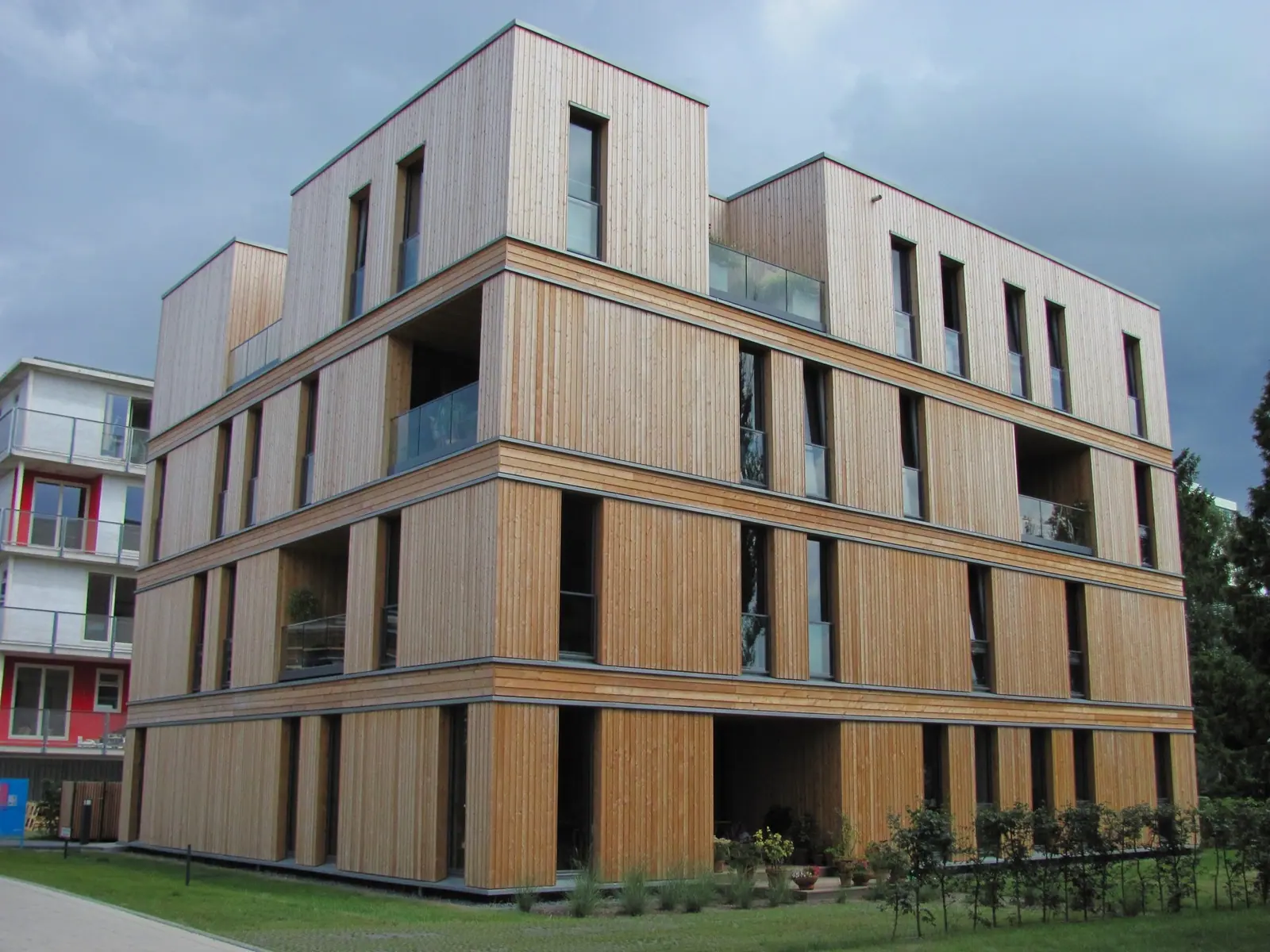
Properties with a poor energy balance risk losing value, while sustainable properties are increasingly in demand. In the long term, ESG criteria influence both the value and the financing conditions of real estate. Investors need to integrate sustainability into their strategy in a targeted way.
Conclusion
Real estate remains an interesting asset class, but one that needs a nuanced view. While rising interest rates and regulatory intervention can affect profitability, there are also new opportunities, especially for investors who act strategically and follow market trends.
Long-term investors with a solid equity base benefit particularly in times of economic uncertainty, because they depend less on financing costs. In addition, sustainable real estate is becoming increasingly important, from both an ecological and a financial perspective.
Anyone who wants to invest successfully in real estate should carry out a thorough analysis of location and market and consider innovative investment opportunities. Digital platforms offer modern and efficient solutions here for investing in real estate projects and responding flexibly to market changes.
Ultimately, the success of a real estate investment depends on a forward-looking strategy and the right choice of properties. Anyone who is well informed and invests in a targeted way can use real estate profitably even in a challenging market environment.
Jonathan Albroscheit writes for arcneo Insights about the housing market, regulation and the team.
Read more
More Insights

Urbanisation of the outskirts: why the surrounding areas are booming
In 2024, for the first time, more than 41% of home seekers in German metropolitan regions looked specifically in the surrounding areas.
The housing question 2025: how Germany’s housing shortage is getting worse and what helps
According to recent studies, there is a nationwide shortage of around 700,000 apartments, especially in large cities and growth regions.

Demographics and real estate: how change is influencing demand
Demographic change is altering the housing situation of older people, and with it demand.
Contact
Get to know the team
Get to know the team in a personal conversation. We will show you documents and current project information and answer your questions.
- Personal conversation with the team
- Documents and project information