







The housing question 2025: how Germany’s housing shortage is getting worse and what helps
Germany is in a housing crisis and the figures are clear: according to recent studies, around 700,000 apartments are missing nationwide, especially in large cities, growth regions and university towns. At the same time, the number of…

 Jonathan AlbroscheitFounder and CRO, arcneo
- Published
- 22 July 2025
- Reading time
- 12 minutes
In brief
- The housing shortage hits conurbations above allIn cities like Berlin or Munich there is a lack of affordable housing, while rural regions suffer from vacancy. The market differs from region to region, but is structurally out of balance.
- Political programmes alone are not enough400,000 apartments a year is the target, but far fewer are being built. Funding and laws often work too slowly or are too complicated.
- New construction approaches create real progressSerial construction, digital planning and ESG projects bring speed, efficiency and sustainability together. This creates housing that has an impact, ecologically and socially.
Germany is in a housing crisis and the figures are clear: according to recent studies, around 700,000 apartments are missing nationwide, especially in large cities, growth regions and university towns. At the same time, the number of social housing units is falling, while rents keep rising and new construction projects are stalling, above all because of higher interest rates, high construction costs and complex approval procedures.
But not every housing shortage is the same. While pressure on the rental market is growing in conurbations, other regions are struggling with vacancy and people moving away. Who is affected also varies: young families, single parents and low earners are hit particularly hard, but so are commuters and professionals who cannot find suitable housing.
This article shows how the housing shortage manifests itself, whom it affects, how it differs from region to region, and which political and market-based solutions are being discussed. For investors who want to invest sustainably and with social impact, this is clearly relevant.
What does housing shortage mean and how is it measured?
A housing shortage does not just mean that there are too few apartments. Rather, it is a structural mismatch between supply and need, in both quantity and quality. A lack of housing can show itself in overcrowded households, missing apartments in sought-after locations, or inadequate fittings and accessibility. In urban regions in particular, there is a lack of affordable apartments that suit the needs of today’s household types.
Housing need is determined on the basis of household forecasts, not just population figures. One decisive factor, among others, is the average household size, which has been falling for years. More and more people live in single-person households, so the need for living space per person rises. On top of this come demographic effects such as the ageing of the population and strong migration flows, in particular into economically dynamic cities.
The most important indicators of a housing shortage include:
-
Vacancy rates: In many large cities the rate is below 1%, a clear signal of a tight housing market.
-
Construction backlog: Thousands of construction projects that have already been approved are not carried out, whether for cost reasons or because of a lack of capacity.
-
Completion figures: In 2023 only around 295,000 new apartments were built, and the political target of 400,000 a year was clearly missed.
The decline in subsidised housing is particularly critical: while there were still more than four million social housing units in Germany in the 1980s, today there are only around 1.1 million. At the same time, there is a lack of age-friendly, energy-efficient and family-friendly apartments, a shortage that is being further aggravated by climate change and ESG regulation.
Regional differences: where is the housing shortage most severe?
The housing shortage in Germany does not look the same everywhere. On the contrary: the situation varies widely between cities, regions and rural areas. It is particularly tight in large cities and conurbations, while some rural areas tend to suffer from structural vacancy.
According to an analysis by the Hans-Böckler-Stiftung, the 77 largest cities in Germany alone are short of around 1.9 million affordable apartments, especially for low-income single-person households. In Berlin, Munich, Hamburg and Frankfurt, the vacancy rate is below 1% according to market analyses, a clear sign of an overheated market. In Munich, asking rents now average more than €20/m².
But medium-sized and small towns are also coming under increasing pressure: demographic change, the comeback of rural areas thanks to working from home, and older people moving back are pushing up housing prices regionally here too. At the same time, the construction of new apartments falls short of need in many places, often because of a lack of land, staff or approval capacity.
In structurally weak regions, on the other hand, the shortage is not necessarily caused by too little housing, but by existing stock that cannot be used or is unattractive, for example empty apartments, apartments in need of renovation or apartments with poor transport links.
The situation is made even more difficult by:
-
unevenly distributed income structures
-
little new construction in highly regulated locations
-
growing competition for land (housing vs. commercial use, environmental requirements)
-
regulatory requirements, e.g. on ESG densification in urban areas
The result: even economically strong regions with high purchasing power often lack sufficient supply, and the problem is increasingly shifting to neighbouring regions too.
Social impact: who suffers from the shortage?
The housing shortage in Germany has far-reaching social consequences and does not only affect low-income households. More and more people feel the effects of rising rents, a lack of available housing and growing displacement, with consequences for social participation, mobility and equal opportunities. The rent burden is particularly dramatic: more than 1.5 million households in Germany now spend more than 50% of their net income on rent, well above the threshold for so-called housing cost overburden, which is around 30% (German Tenants’ Association, 2024). This particularly affects low earners, single parents, students and older people, many of whom have few alternatives. The result: social division, displacement from inner-city locations and a massive loss of freedom to choose where to live.
In addition, homelessness is growing steadily. According to the latest report by the Federal Ministry for Housing, Urban Development and Building, around 531,600 people were homeless at the beginning of 2024, including more than 47,000 people without any shelter at all (BMWSB, 2024). Particularly worrying: the share of hidden homelessness, for example among women, young people or refugees, is considerably higher still. Young people and families above all are caught in the middle. Anyone who wants to move out or needs a bigger apartment after the family grows can hardly find affordable options in urban locations. On top of that, social infrastructure (day-care centres, schools, medical care) is often not where there would still be space. Anyone who pays too much rent for a long time finds it hard to build up savings and risks poverty in old age in the long run.
The housing shortage also has a noticeable impact on the labour market. In many cities with a tight housing market, affordable housing is becoming a bottleneck for recruiting skilled workers. Companies increasingly report that they cannot fill vacancies because suitable employees cannot find an apartment, a growing obstacle to mobility with economic consequences (bpb.de).
What is (not) being done? Political measures at a glance
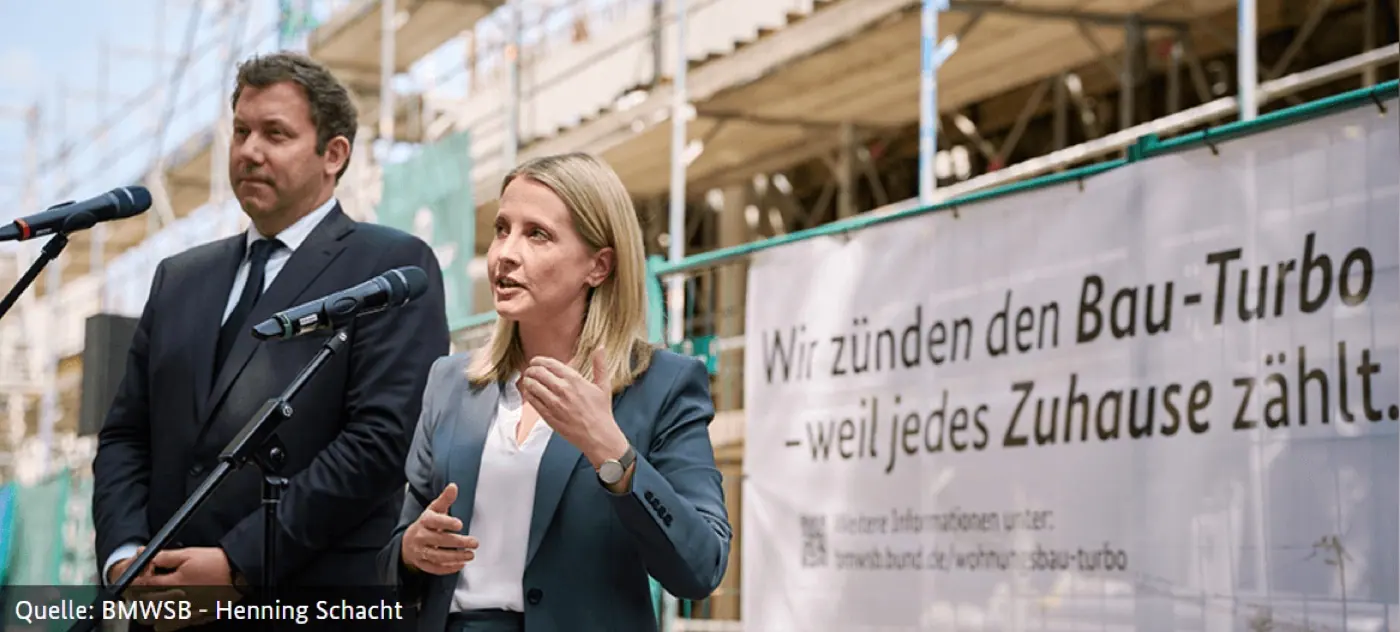
The Federal Government is pursuing ambitious targets: 400,000 new apartments a year, 100,000 of them social housing units. That has been the core housing policy promise since the start of the legislative period. But reality is lagging behind. In 2023 only 294,400 apartments were completed, a decrease on the previous year and far from the political target (Destatis, 2024).
Various programmes have been launched to counter this. Since 2024, a new non-profit housing status (Wohngemeinnützigkeit) has applied, which creates tax incentives for organisations, foundations and companies that let apartments below market level, including exemption from corporation tax and trade tax (bpb.de). Federal funding for social housing has also been increased: from €1 billion in 2021 to around €3.2 billion in 2023.
Bureaucracy slows construction: between ambition and reality
Despite good approaches, implementation has had limited success. Complex funding conditions, a lack of staff in building authorities and a massive shortage of skilled workers in construction mean that funds are not fully drawn down and that in many places nothing gets built at all. In addition, there are regulatory hurdles that make new projects harder: long approval procedures, high ESG requirements and a lack of land reserves.
One example: the Baulandmobilisierungsgesetz (Building Land Mobilisation Act) was actually meant to give municipalities more room for manoeuvre in activating building land, for example through building orders or easier conversion of land. In practice, however, these instruments have so far only been effective in isolated cases. The reasons: legal uncertainty, a lack of staff in urban planning offices to implement the instruments, insufficient funding to actually exercise pre-emption rights, for example, and political headwind at local level when property rights are affected. The “Schneller-Bauen-Gesetz” in Berlin, which is meant to speed up approval procedures, also shows that the political will is there, but structural implementation remains a challenge. The causes: slow digital infrastructure in the building authorities, complex coordination of procedures between different authorities and resistance to standardisation, for example from architects or heritage protection bodies. Such initiatives deserve attention, and a closer analysis.
Practical approaches: between innovation and reality
The challenges in residential construction are structural, and so the solutions also need new ways of thinking. Classic funding programmes alone are no longer enough. In practice, however, there are promising approaches that show how affordable and sustainable housing can be delivered faster, more efficiently and more effectively.
Fast, modular, scalable: serial construction on the rise
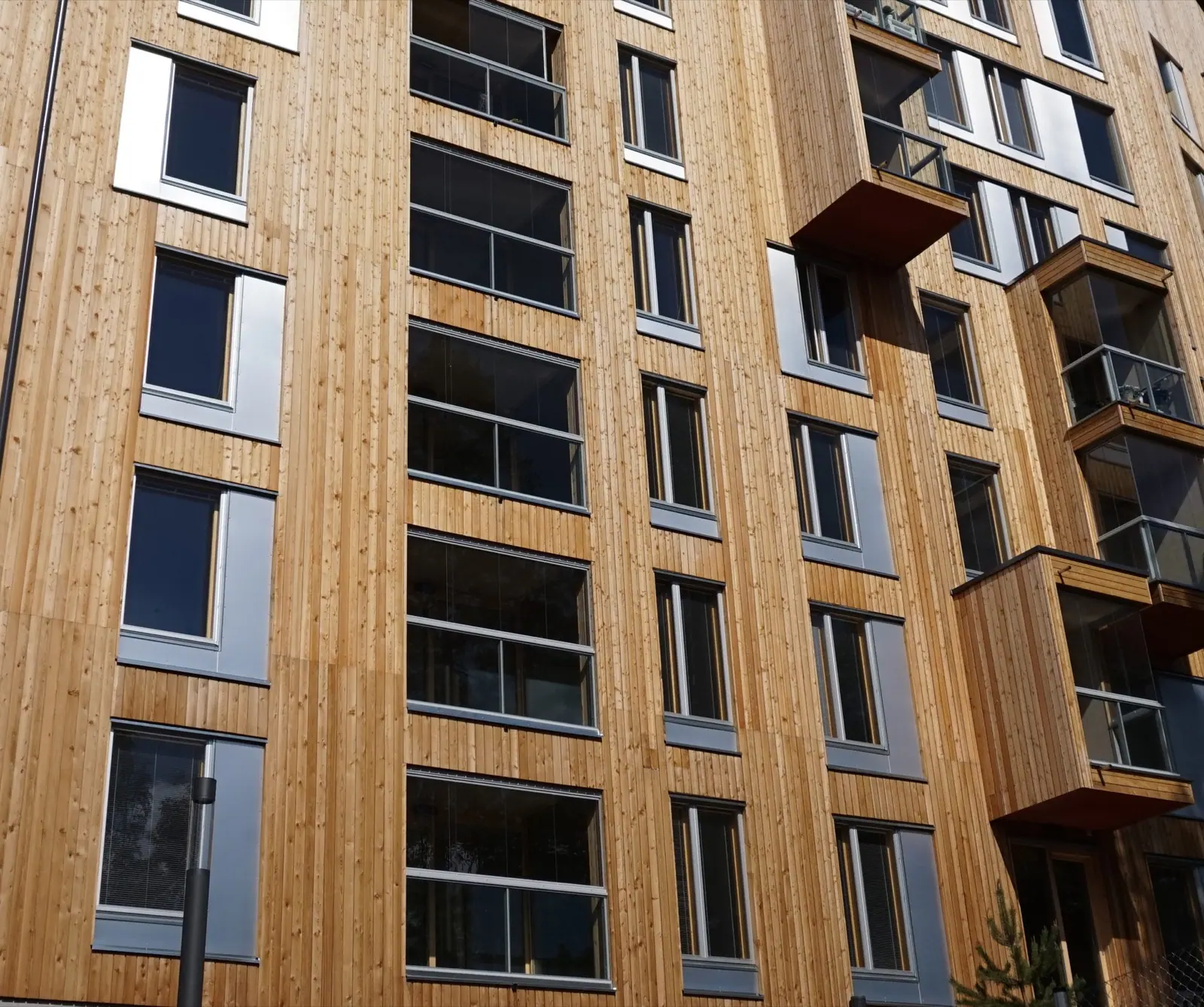
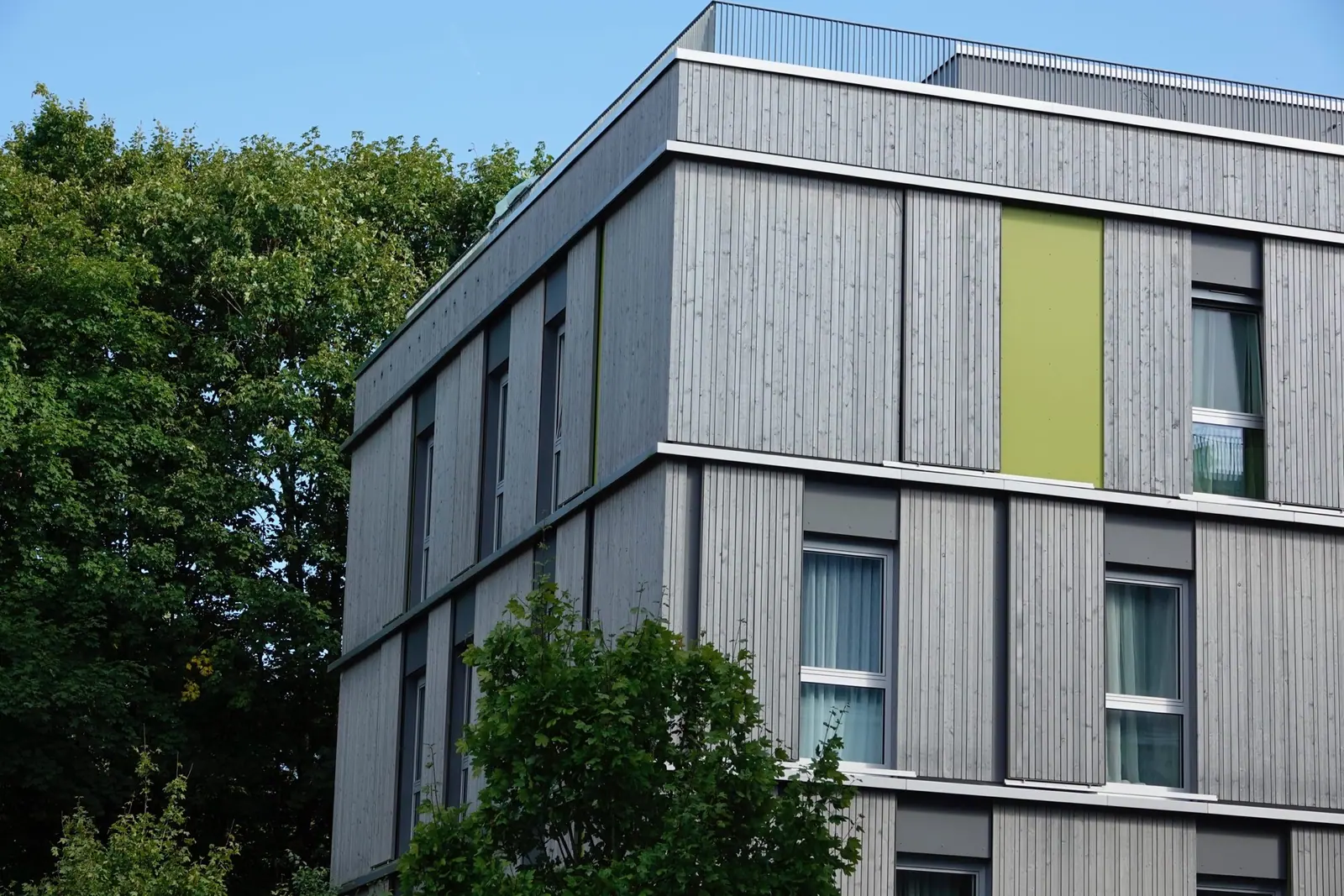
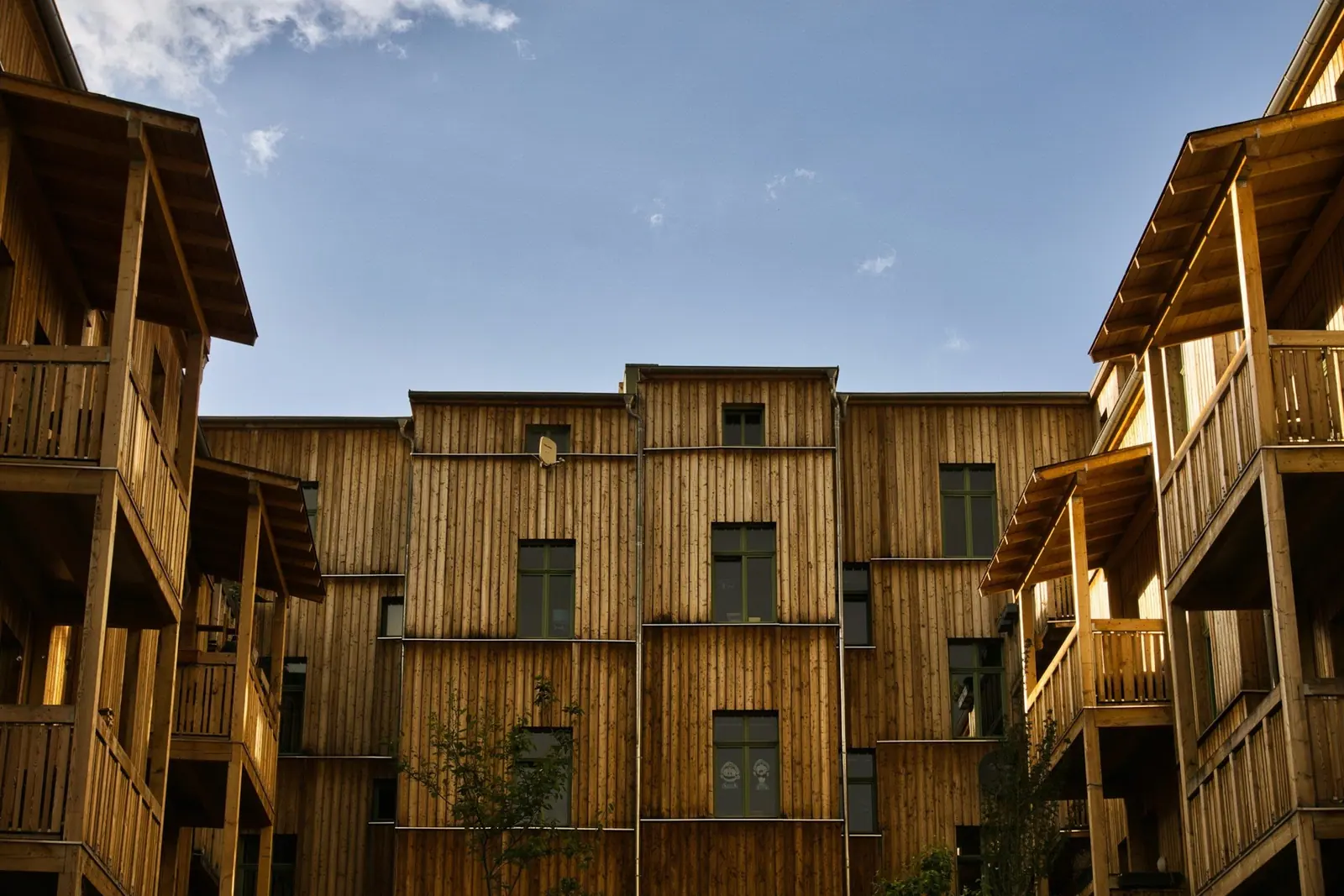
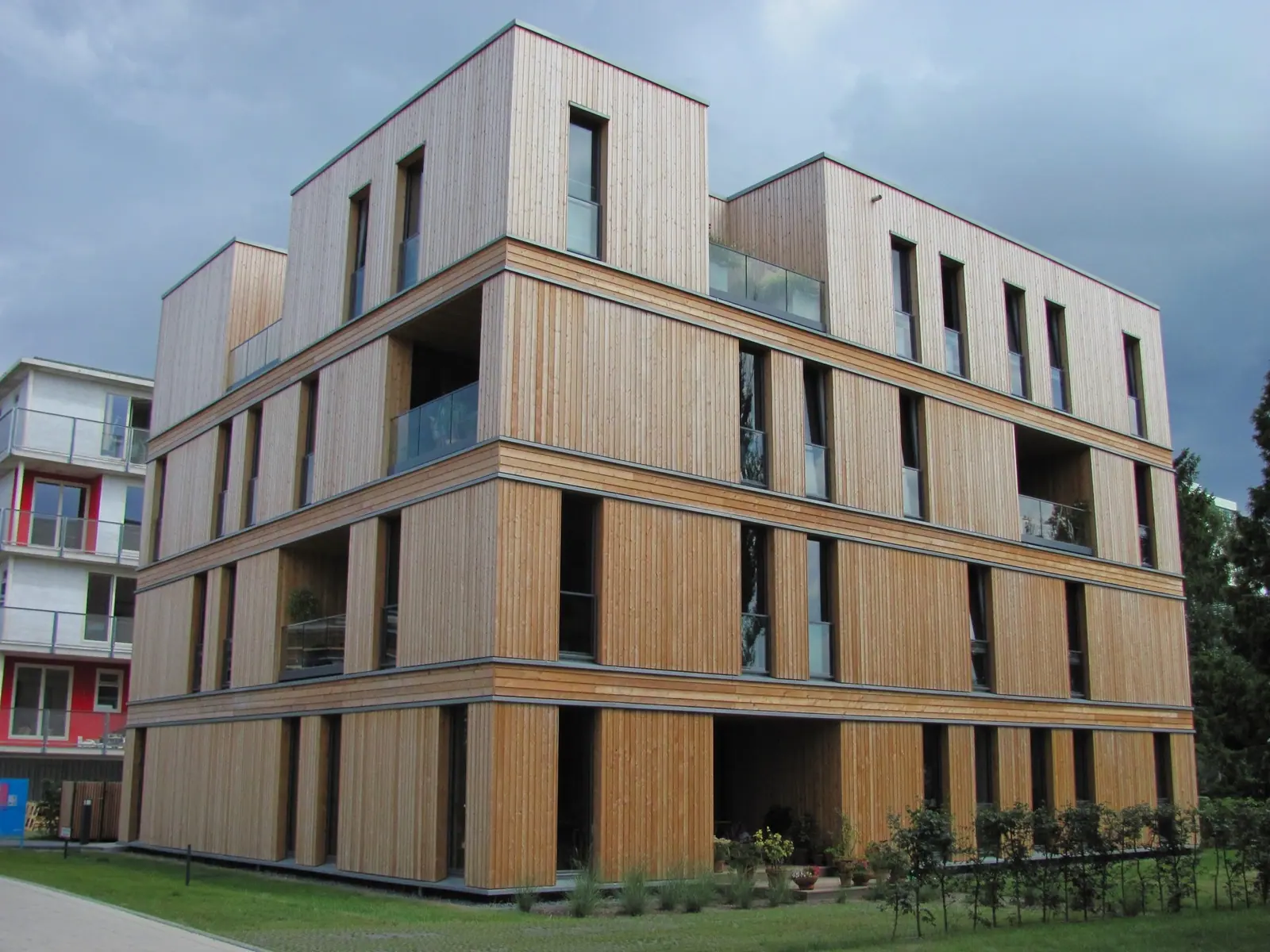
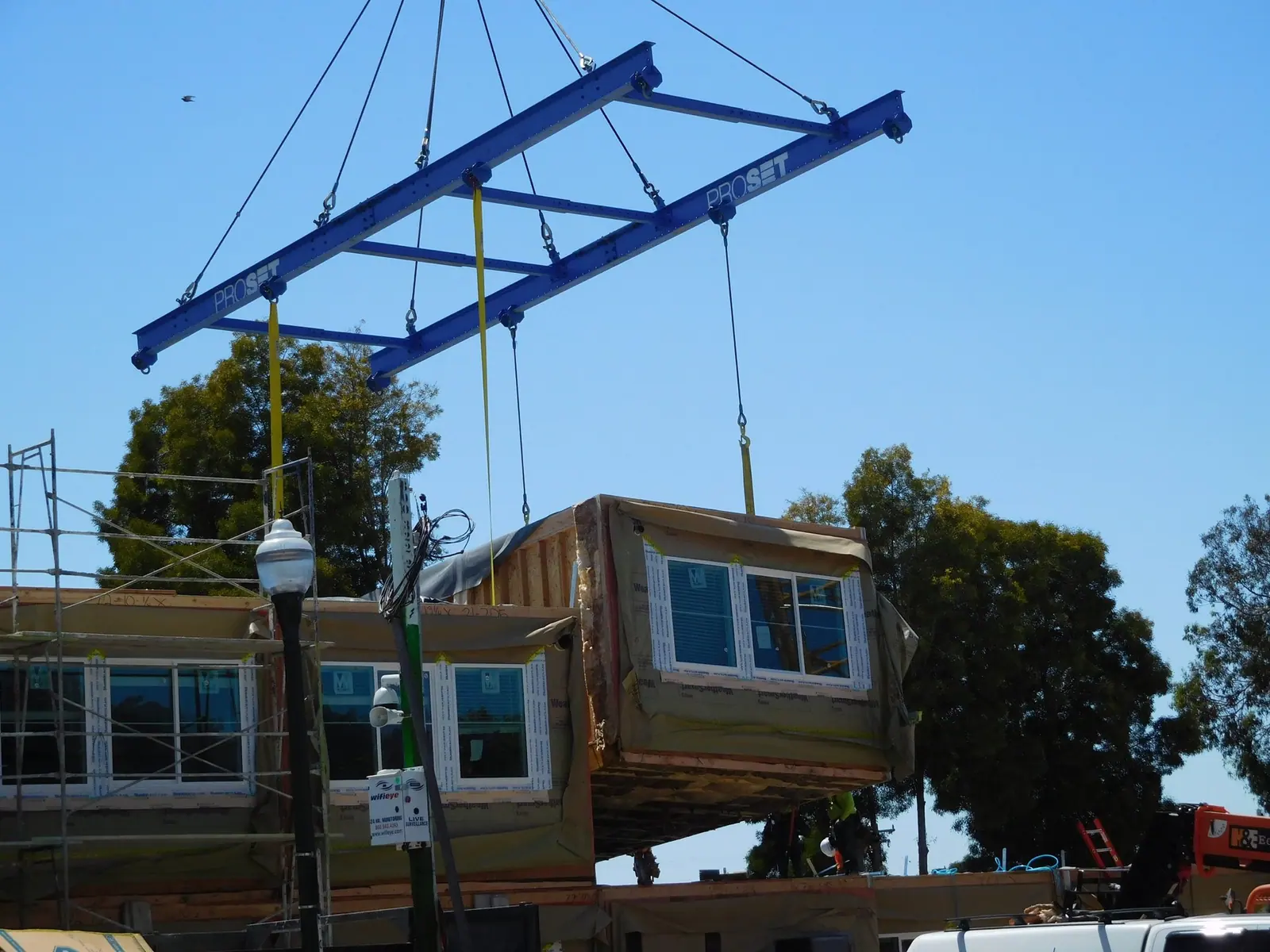
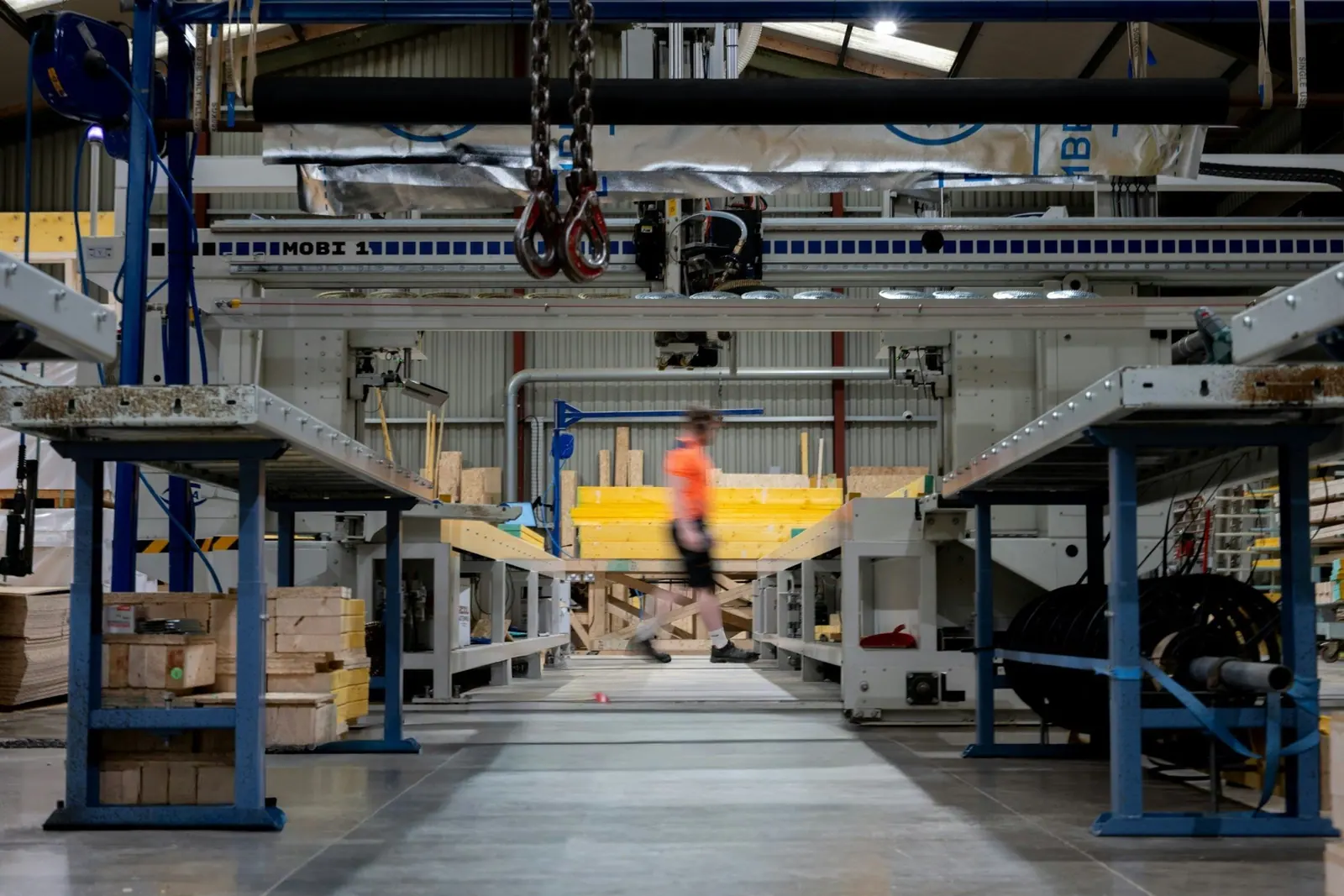
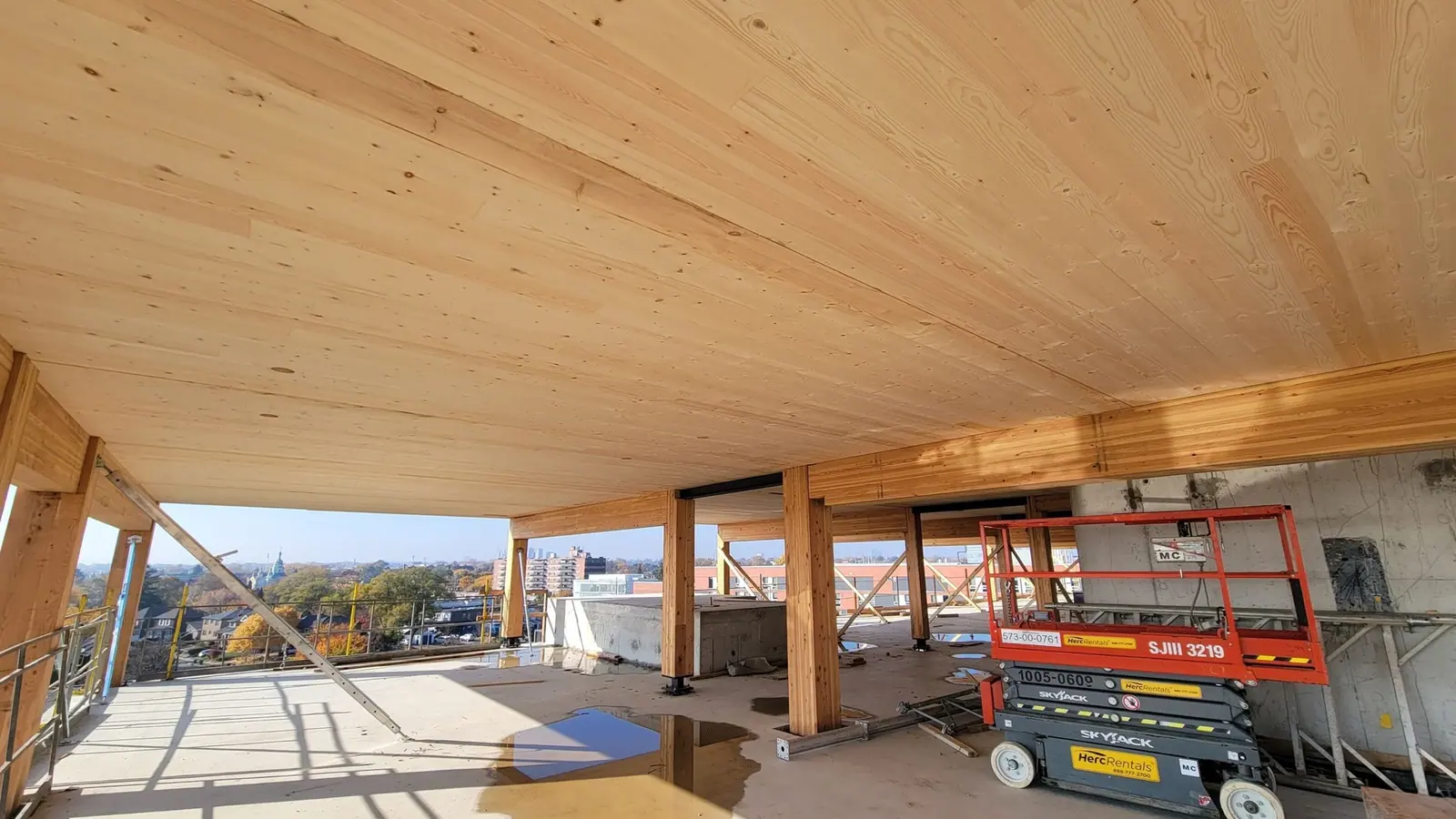
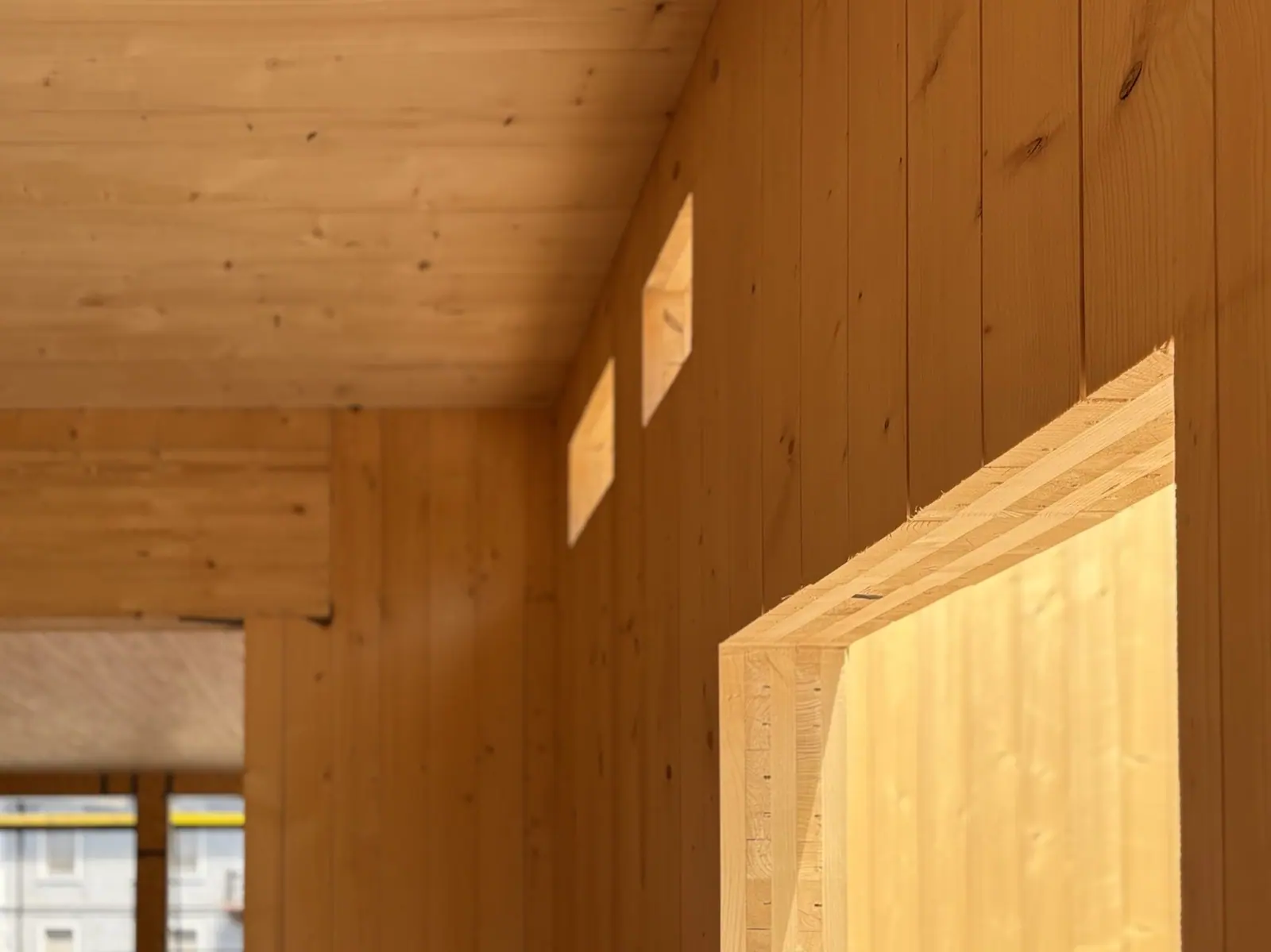
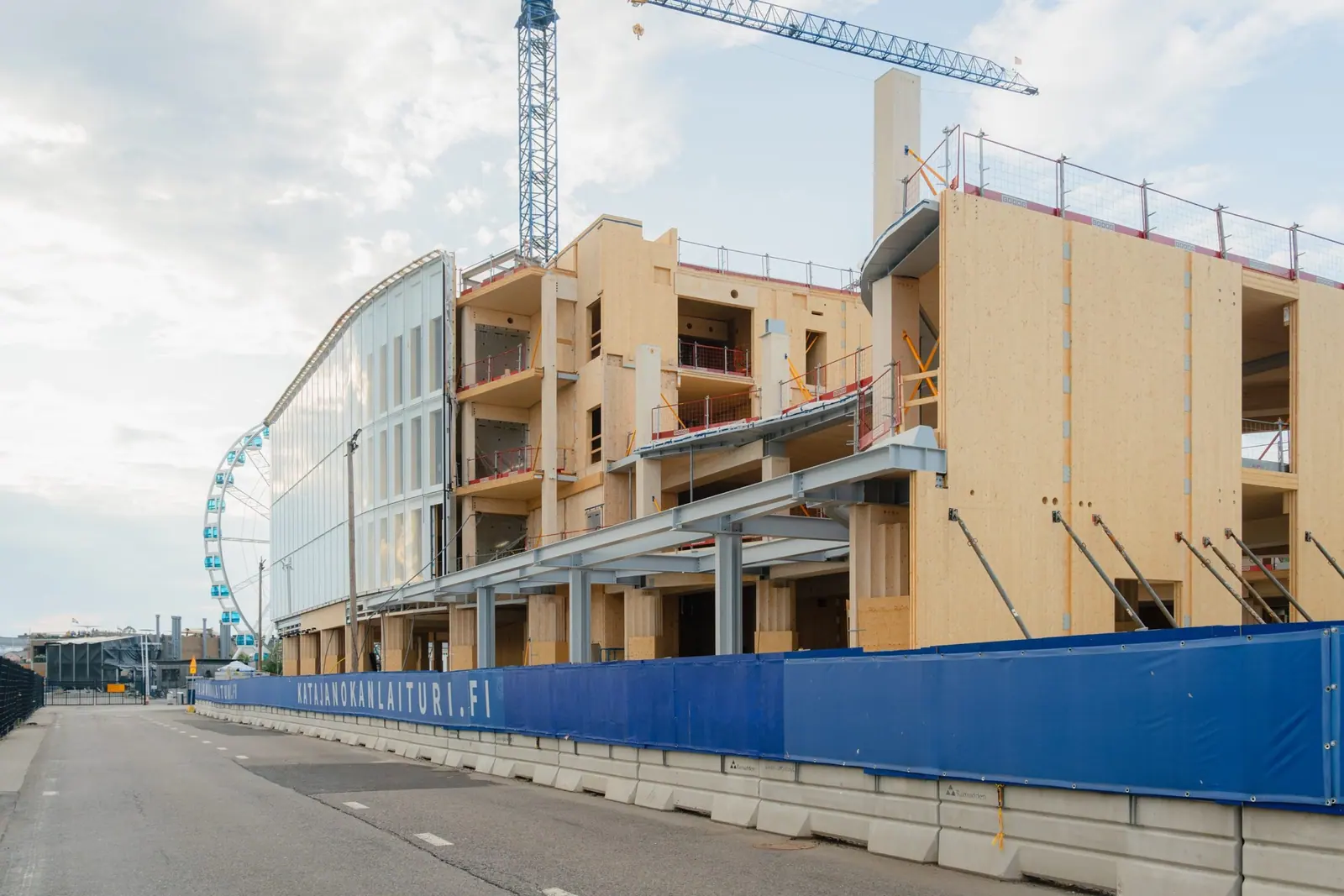
Modular and serial construction is considered one of the most promising approaches to creating housing faster and cost-efficiently. Standardised prefabricated components, often in timber or hybrid construction, shorten construction times considerably while quality stays the same. A decisive advantage: large parts of the buildings are pre-produced, so far fewer trades are needed on site. This not only reduces construction time, but also addresses a central problem: the shortage of skilled workers in construction, which in many places delays new projects and makes them more expensive (see the section “Political measures”). Companies such as arcneo, Max Bögl and the B&O Group are already applying these principles successfully, especially in subsidised housing. The benefits: lower construction costs, predictable processes and a smaller CO₂ footprint. Public housing developers are also increasingly turning to modular solutions, for example for temporary housing, student residences or social projects.
Digitalisation
Another lever lies in digitalising planning and approval procedures. In pilot regions such as Hamburg or North Rhine-Westphalia, digital building permit applications, building information modelling (BIM) and automated process control are already in use. They offer potential for more transparency, shorter lead times and better project management.
New partnerships and allocation models
More and more municipalities are relying on so-called concept-based allocation: plots are no longer awarded to the highest bidder, but according to social and ecological criteria. Cooperatives, foundations and project sponsors oriented towards the common good benefit from this, often in cooperation with private developers.
ESG investments: impact and return in one model
ESG-compliant real estate projects are becoming more important, especially for institutional and wealthy investors. Energy efficiency, social mix and governance standards are not only relevant for regulation, but also make economic sense. Projects that combine special depreciation under § 7b EStG (German Income Tax Act), KfW funding and future-proof construction methods create tax advantages and added value for society, a combination that also has a stabilising effect in the long term. You can read exactly how wealthy investors can benefit from tax advantages in our article on real estate investments and tax advantages (in German).
New financing models: more profitable despite the turnaround in interest rates
Shorter construction times thanks to serial, modular construction also make new financing models possible for investors: instead of long-term financing, projects can be structured with short terms, despite higher interest rates. This improves predictability, reduces interest rate risks and can be structured tax-efficiently (e.g. through § 7b EStG).
Tackling the housing shortage: how arcneo connects capital and municipalities
The structural housing crisis calls for new ways, not only in building, but also on the question of how capital, social need and ESG impact can be brought together intelligently. This is exactly where arcneo comes in, as a platform for impact-oriented housing investments that does not just structure sustainable projects but actively makes them available: standardised, feasible and with deep impact.
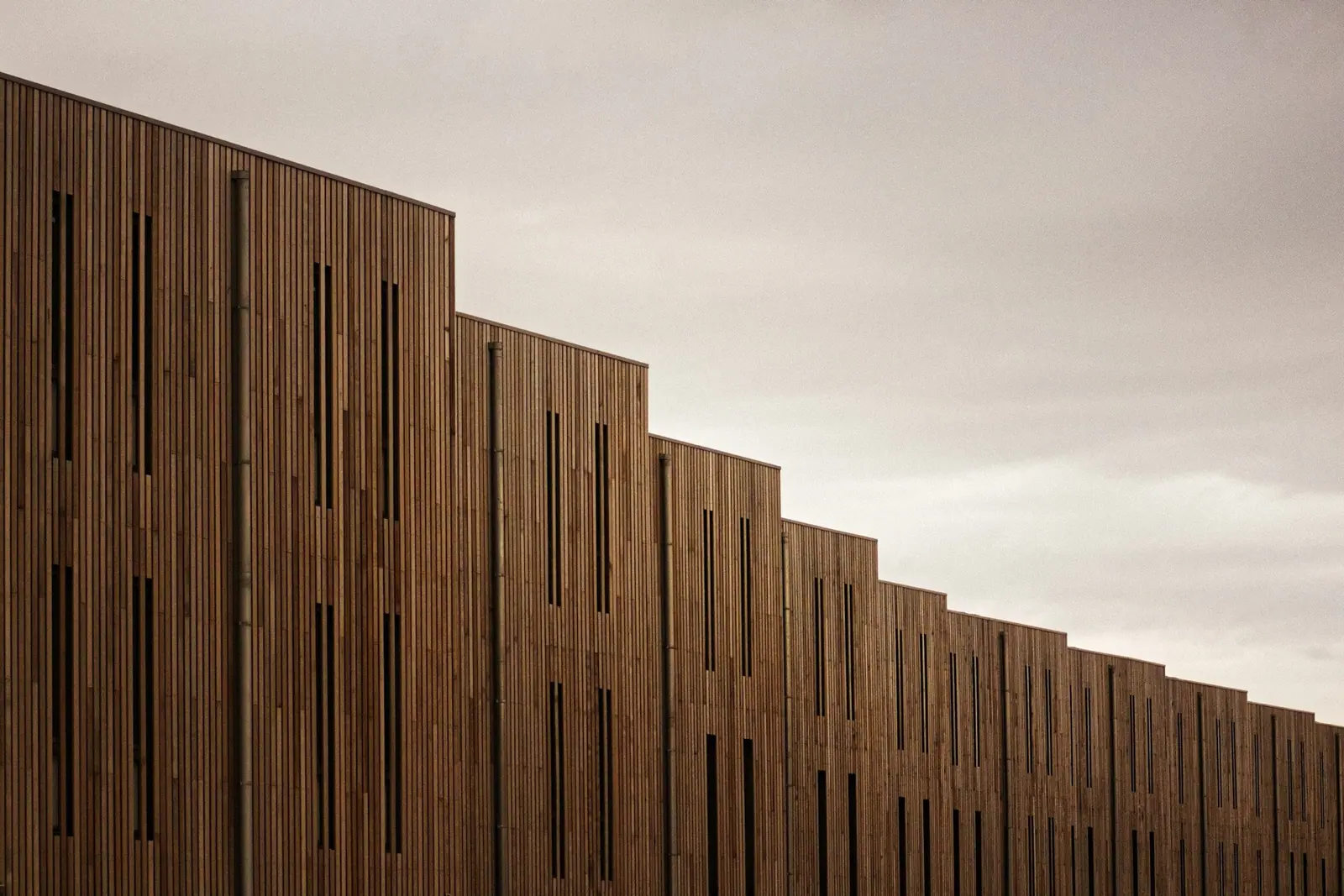
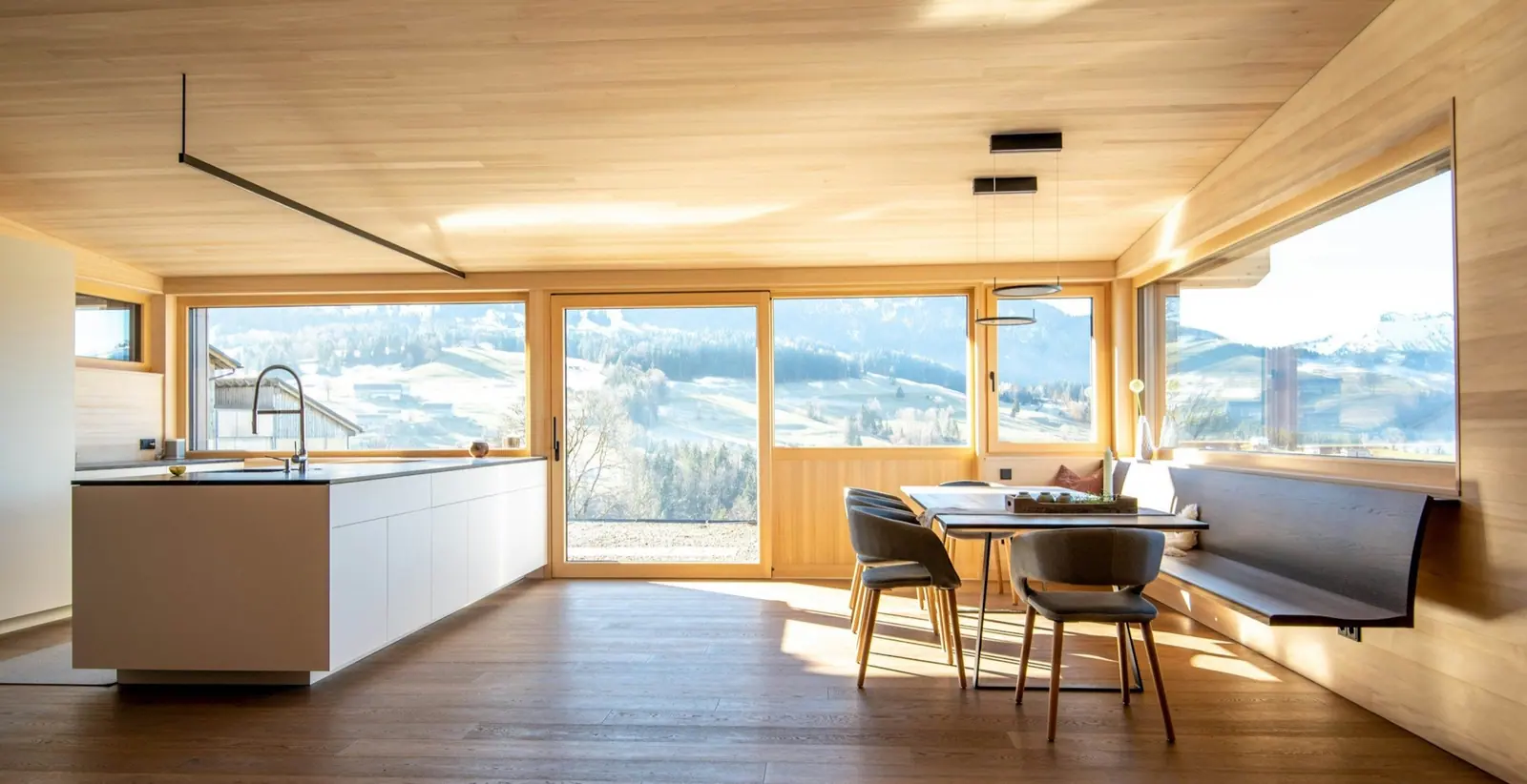
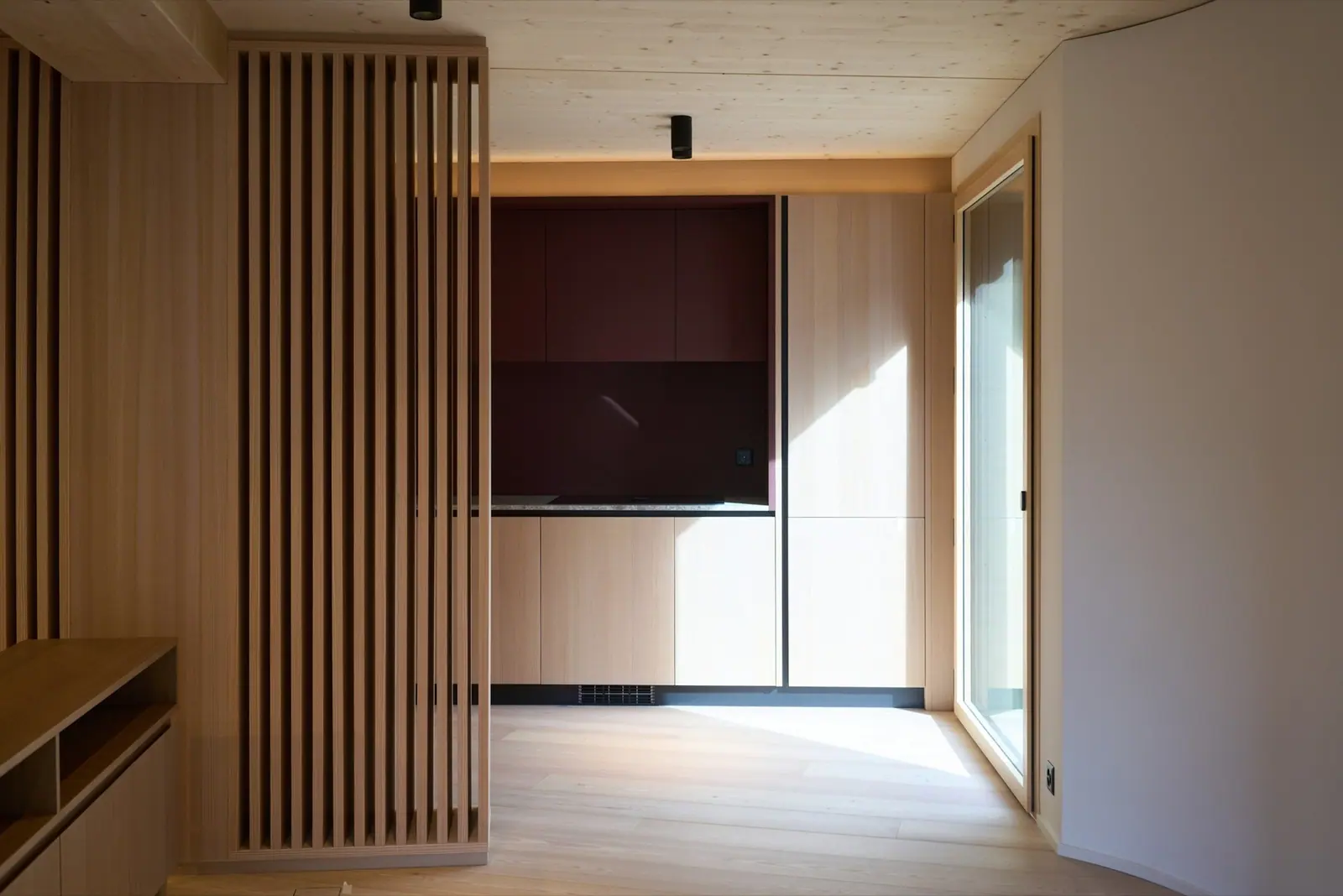
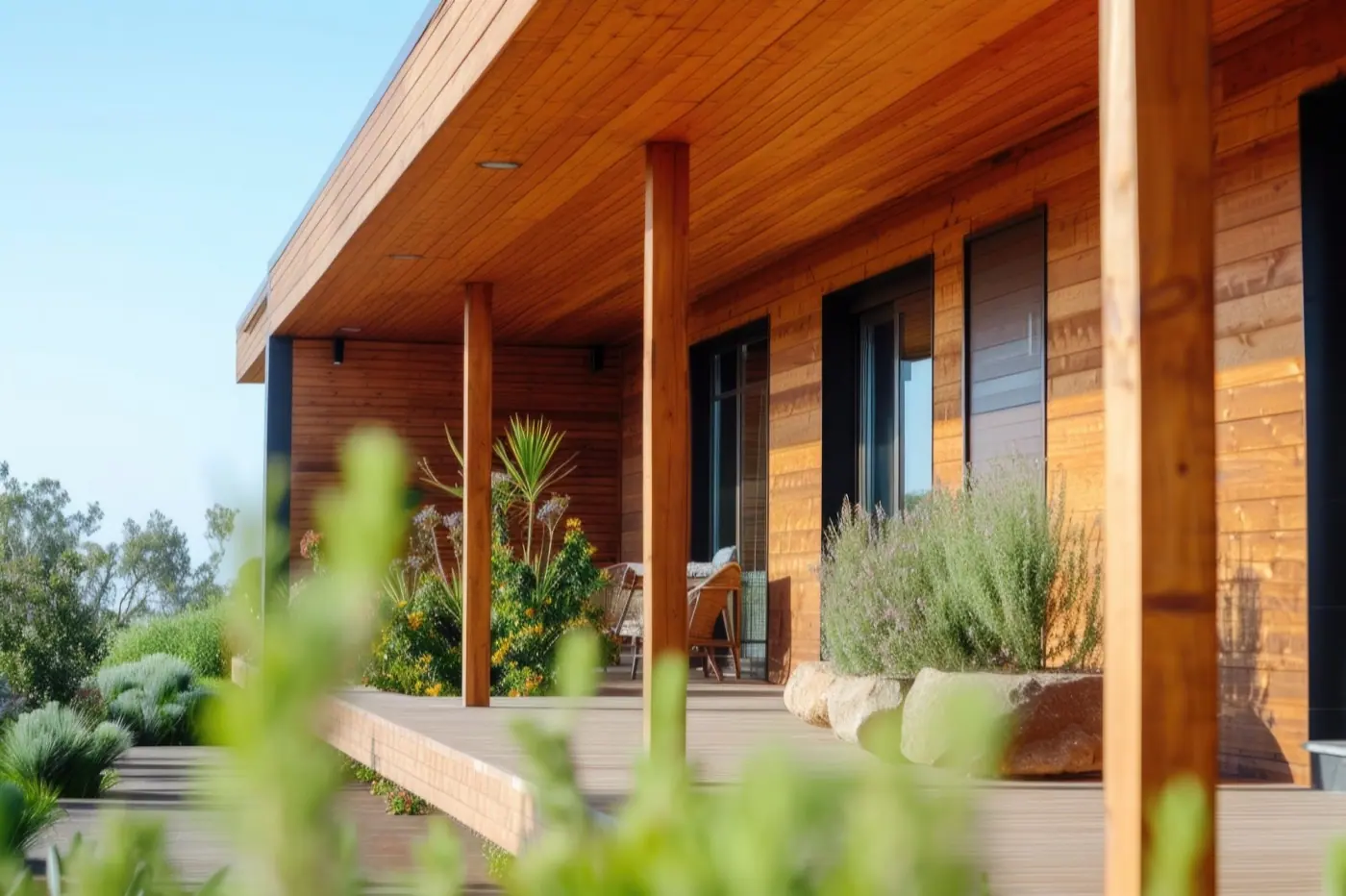
arcneo develops standardised residential real estate projects based on timber modular construction, made entirely of prefabricated timber elements produced in certified manufacturing facilities. This serial construction method allows projects to be delivered much faster, with consistently high architectural and ecological quality.
Execution runs through a digitally managed project structure in which planning, construction progress and ESG criteria are monitored and documented in our own project management system. This increases transparency, simplifies management and speeds up processes, especially in coordination with municipalities.
The resulting projects meet all requirements for energy standards, ESG criteria and eligible forms of construction, for example for special tax depreciation (§ 7b EStG), KfW funding programmes or municipal housing subsidies. This makes them compatible with regulation, in other words: they meet the conditions for being integrated efficiently on both the funding side and the investor side.
A key lever: close cooperation with more than 200 municipalities in Germany. Together with local stakeholders, arcneo develops project solutions that integrate affordable housing, age-friendly living (→ more on this in the article on demographic change), social infrastructure or mobility concepts. This turns an investment project into a real contribution to solving the housing shortage, where people actually need apartments.
For investors, this opens up access to a new generation of real estate investments:
-
transparent ESG criteria thanks to projects we develop ourselves, with a certified construction method and vetted execution partners
-
a lucrative financial product thanks to short construction times, compact terms and attractive return opportunities, made possible by serial timber modular construction
-
a clear link to the real economy in fast-growing regions coordinated with municipalities
arcneo connects capital with the pressure on municipalities to act, and so creates the conditions not just to lament the housing shortage, but to actually ease it.
The housing shortage in Germany is not a temporary market phenomenon, but a structural problem of social relevance. Especially in urban centres and growing regions, there is a lack of apartments that are affordable, sustainable and fit for the future. At the same time, requirements for construction methods, energy efficiency and social impact are rising, which makes execution even harder.
One thing is clear: state funding programmes alone are not enough. New alliances are needed between the public sector, private capital and innovative project development. This is exactly where arcneo comes in, as a platform that connects capital flows with social responsibility.
By combining a standardised, ESG-compliant construction method, digitally supported structuring and close cooperation with municipalities, arcneo creates the basis for delivering housing faster, more transparently and in high quality. For investors, this opens up access to a new kind of real estate investment with measurable impact, attractive returns and terms, and planning certainty thanks to a reproducible construction method.
Frequently asked questions
- How big is the housing shortage in Germany at present?
- Around 700,000 apartments are missing nationwide, concentrated in urban growth regions. Low-income households, single parents and young people looking for a home are particularly affected.
- Why do many funding programmes not work as planned?
- Despite large amounts of funding, much of the money does not reach the places where it is needed. The reasons: lengthy approval procedures, complex funding rules, overstretched building authorities and a lack of skilled staff. As a result, even good concepts often fail in execution, and the housing shortage keeps growing.
- What role does arcneo play in solving the housing shortage?
- arcneo develops ESG-compliant residential projects together with municipalities: quick to implement, efficiently structured and tailored to need. The focus is on a short construction time, a certified construction method and a clear site logic, for a measurable contribution against the housing shortage.
- Which new approaches help against the housing shortage?
- What is needed are scalable, locally coordinated projects that can realistically be implemented. Platforms such as arcneo connect municipal needs with efficient planning and capital, and so create solutions that are economically viable and socially relevant.
Jonathan Albroscheit writes for arcneo Insights about the housing market, regulation and the team.
Read more
More Insights
Urbanisation of the outskirts: why the surrounding areas are booming
In 2024, for the first time, more than 41% of home seekers in German metropolitan regions looked specifically in the surrounding areas.

Demographics and real estate: how change is influencing demand
Demographic change is altering the housing situation of older people, and with it demand.
Why real estate is still a good asset class in 2025
Real estate has traditionally been seen as one of the most stable forms of investment. Demand for tangible assets rises especially in economically uncertain times.
Contact
Get to know the team
Get to know the team in a personal conversation. We will show you documents and current project information and answer your questions.
- Personal conversation with the team
- Documents and project information