




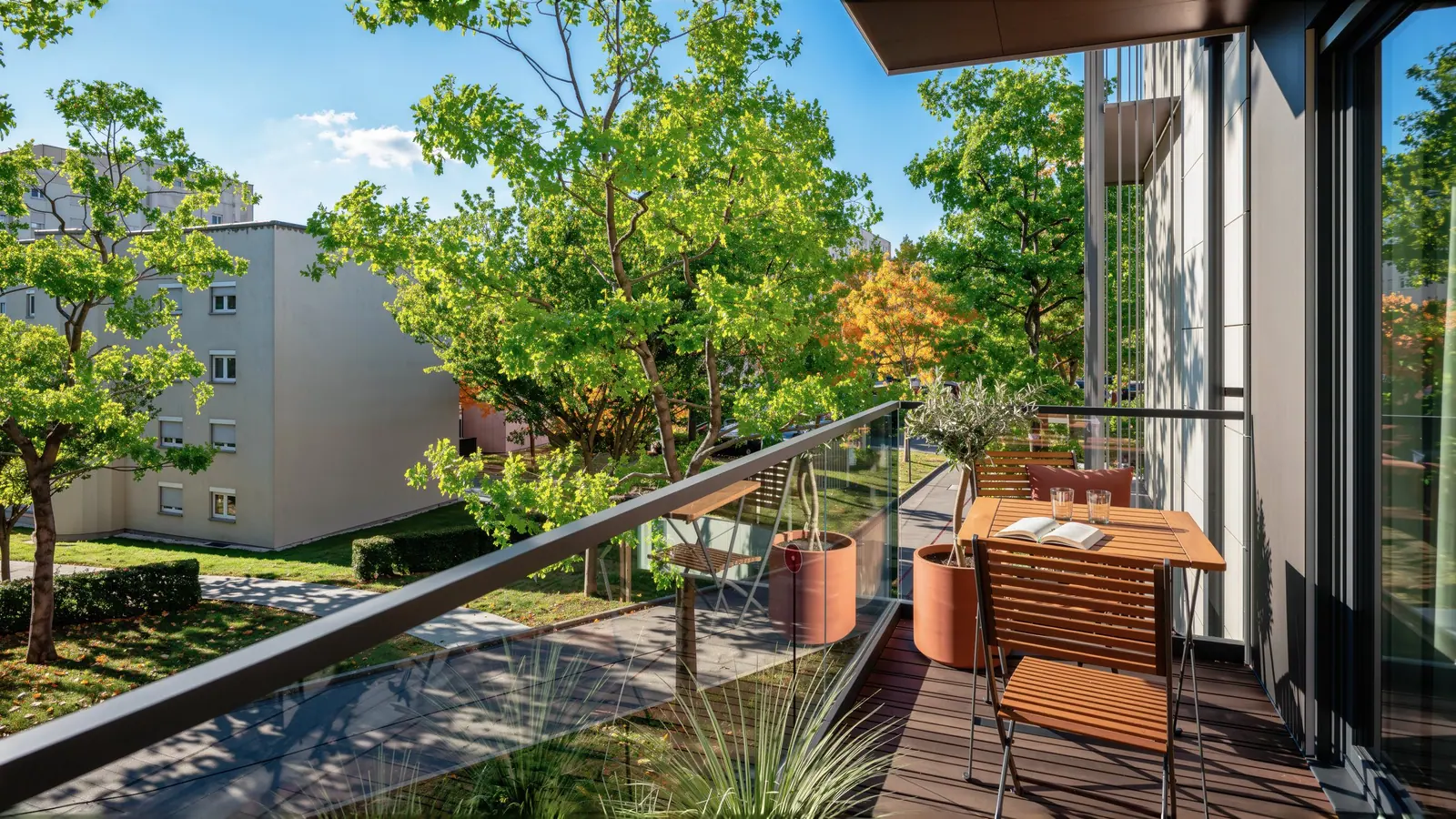









Serial and modular construction: the difference
Serial construction describes a principle: components or entire building types are planned to a standard and manufactured in series. Modular construction describes a construction method: the building is made of prefabricated, three-dimensional volumetric modules. Modular construction is therefore one form of serial construction, but serial construction can also work with flat wall and ceiling elements.
 Despot BitschnauFounder and CTO, arcneo
- Published
- 9 October 2026
- Reading time
- 4 minutes
In brief
- Serial constructionA principle: components or building types are standardised and manufactured in series.
- Modular constructionA construction method: the building is made of prefabricated volumetric modules.
- Timber modular constructionBoth at once: volumetric modules made of wood, manufactured in series in the factory.
What is serial construction?
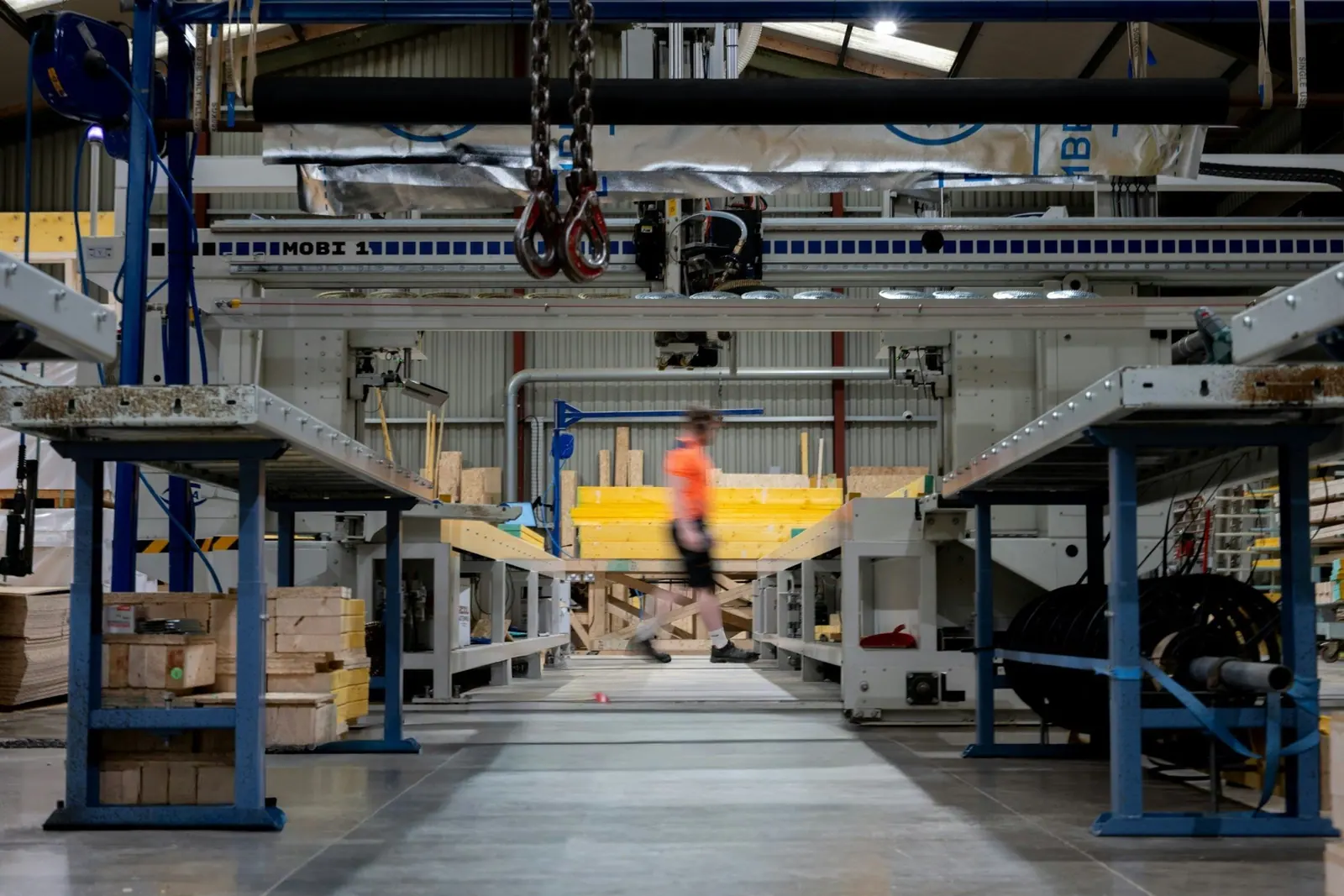
In serial construction, components, floor plans or entire building types are repeated. Planning and manufacturing follow fixed standards. The components are made in series in the factory and assembled on the construction site.
The term says nothing about the material or the form of the components. Serial systems work with wood, concrete, steel or combinations of these. Often they are flat elements such as walls, ceilings or facades. Specialists then speak of element construction or panel construction. Volumetric modules can also be manufactured in series.
The benefit comes from repetition. Anyone who builds the same house type several times plans it thoroughly once and then uses the planning again and again. The factory can practise and improve its processes.
What is modular construction?
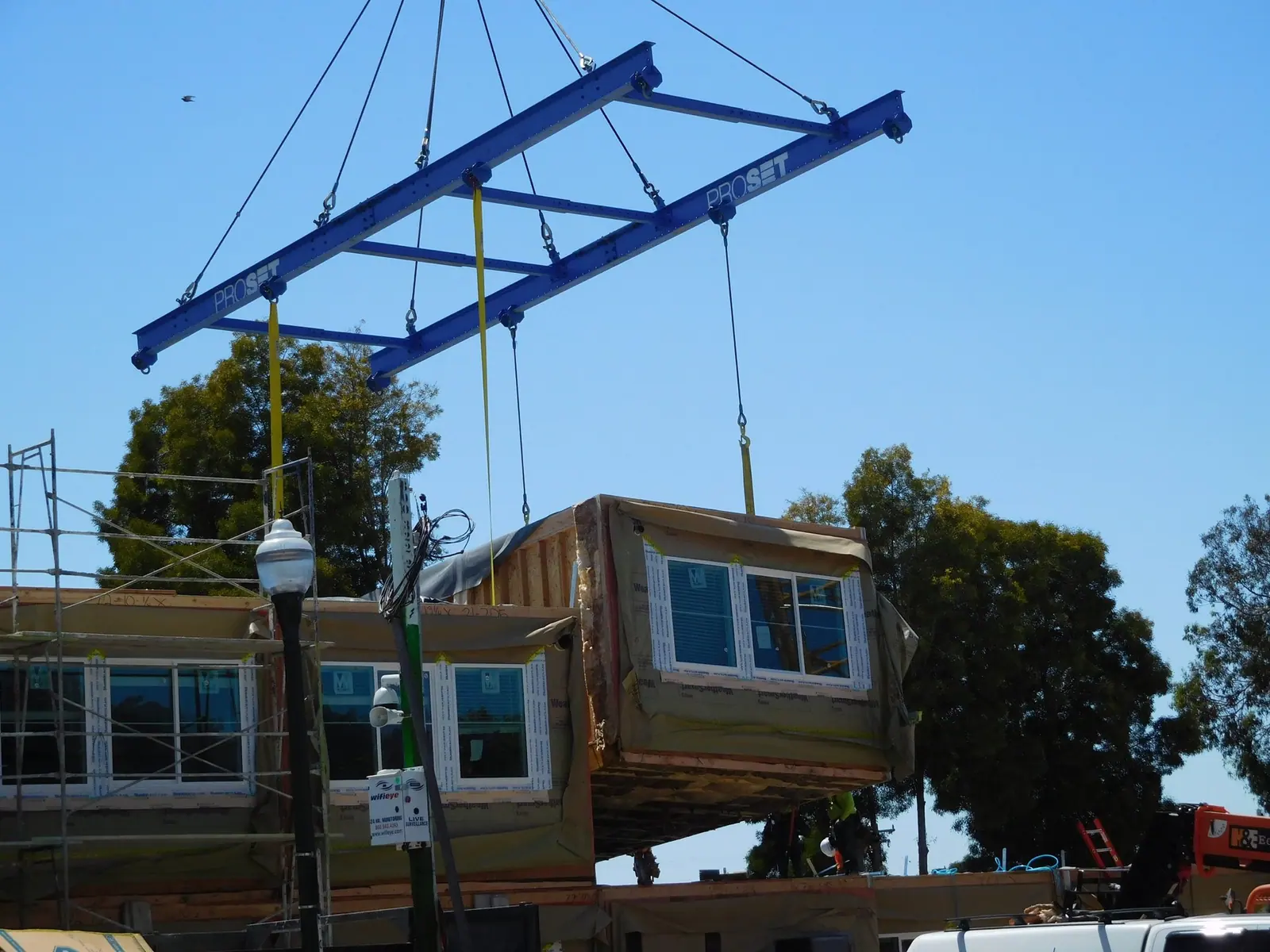
In modular construction, also called modular building or volumetric construction, the building is made of three-dimensional volumetric modules. Each module is a section of space with a floor, walls and a ceiling. Depending on the system, the modules are already fitted with windows, wiring and pipework, bathrooms and surfaces in the factory.
Lorries bring the modules to the construction site. There a crane sets them next to and on top of each other. Then specialists connect the modules and link up the building systems, roof and facade. While the factory manufactures the modules, the foundations are already being built on the construction site. These parallel processes shorten the construction time.
The dimensions of a module depend on transport, because every module has to travel by road to the construction site. This shapes the grid of the floor plans.
The difference compared
| Feature | Serial construction | Modular construction |
|---|---|---|
| Type of term | Principle of planning and manufacturing | Construction method |
| What comes from the factory | Components, often flat elements such as walls and ceilings | Three-dimensional volumetric modules |
| Degree of prefabrication | Varies by system | Usually high, modules often arrive largely finished |
| Work on the construction site | Assembling elements, interior finishing partly on site | Setting, connecting and hooking up modules |
| Transport | Flat elements, stacked to save space | Volumetric modules, dimensions limited by road transport |
| Material | Wood, concrete, steel or hybrid | Wood, concrete, steel or hybrid |
| Relationship | Umbrella term | One form of serial construction |
As a rule of thumb: serial construction answers the question of how standardised the building is and how often it is built. Modular construction answers the question of the form in which the components come out of the factory.
Which construction method fits when?
Element construction leaves more freedom in design and needs less transport volume. In return, more work takes place on the construction site. Modular construction brings more work into the factory and shortens the time on site. For this it needs a fixed grid and precise planning before manufacturing begins. It shows its strengths in multi-family houses with many similar apartments.
Timber modular construction: serial and modular at once
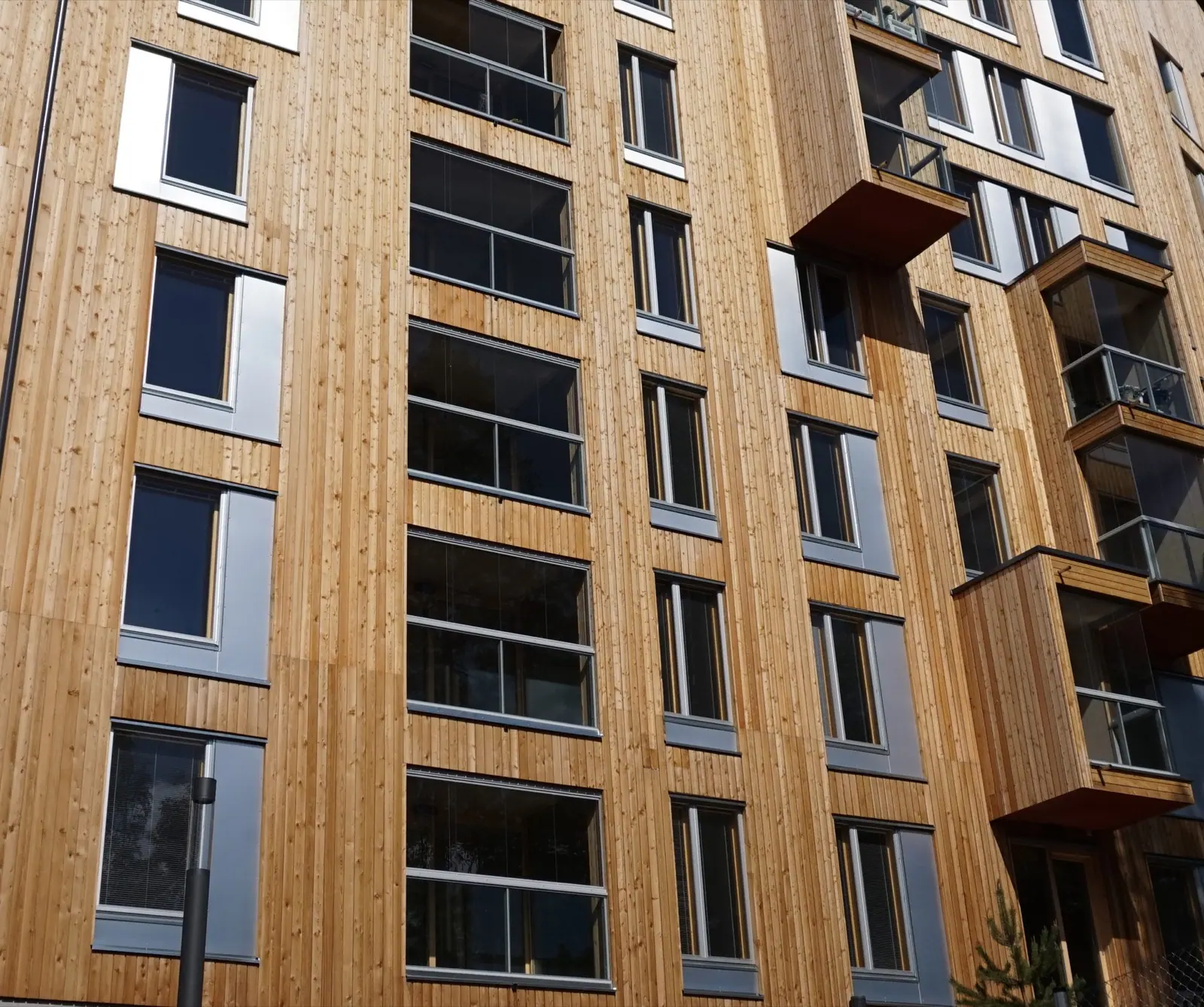
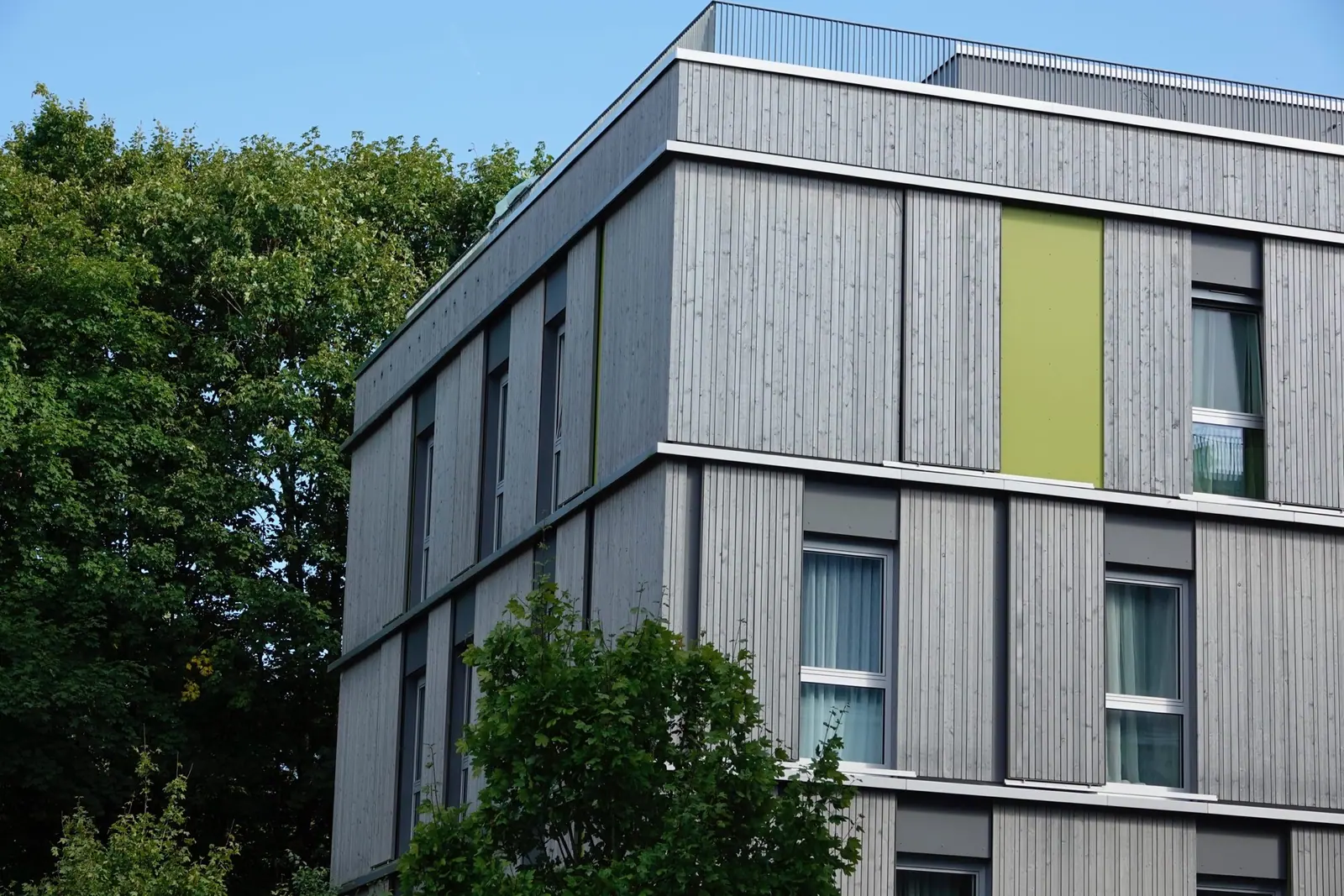
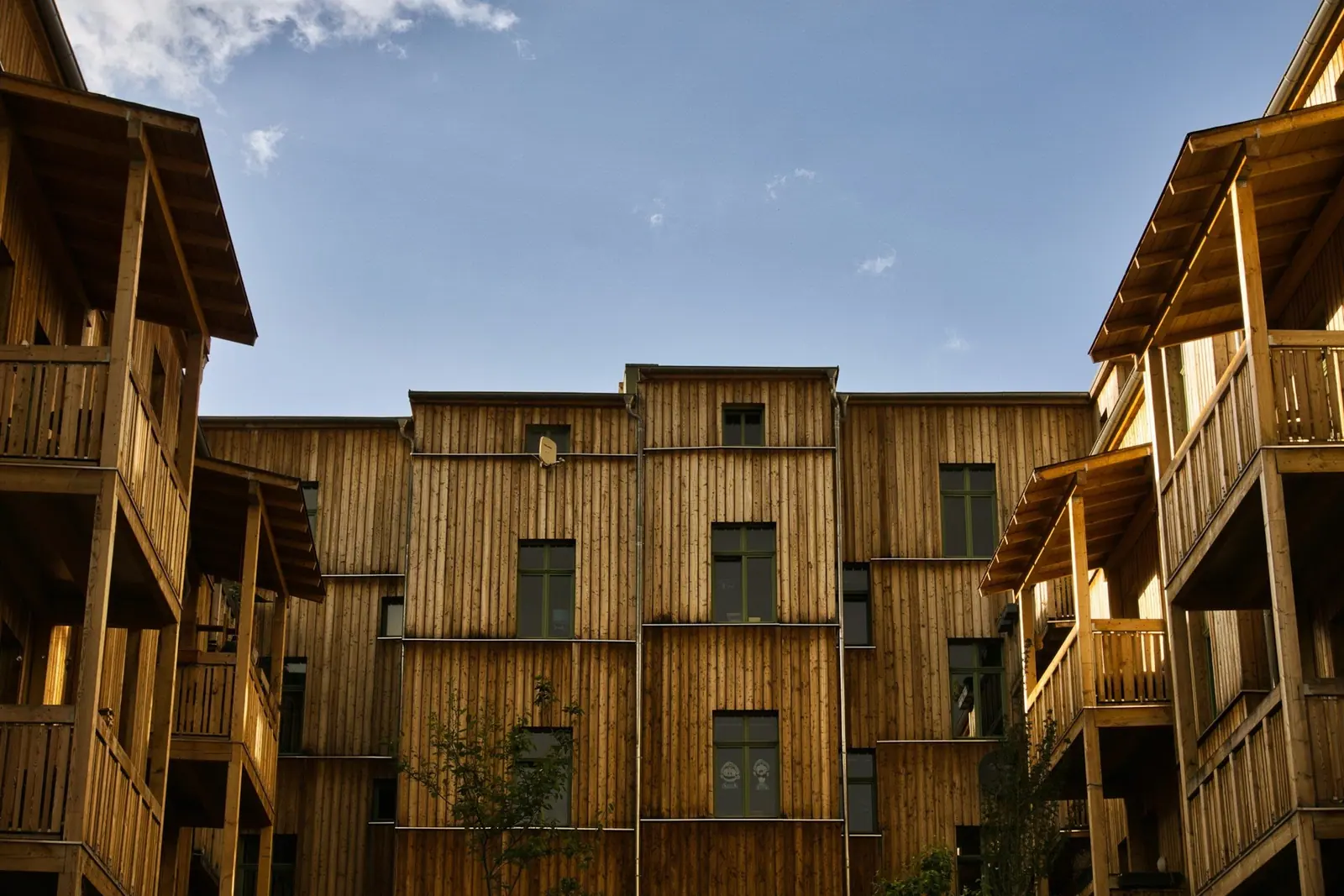
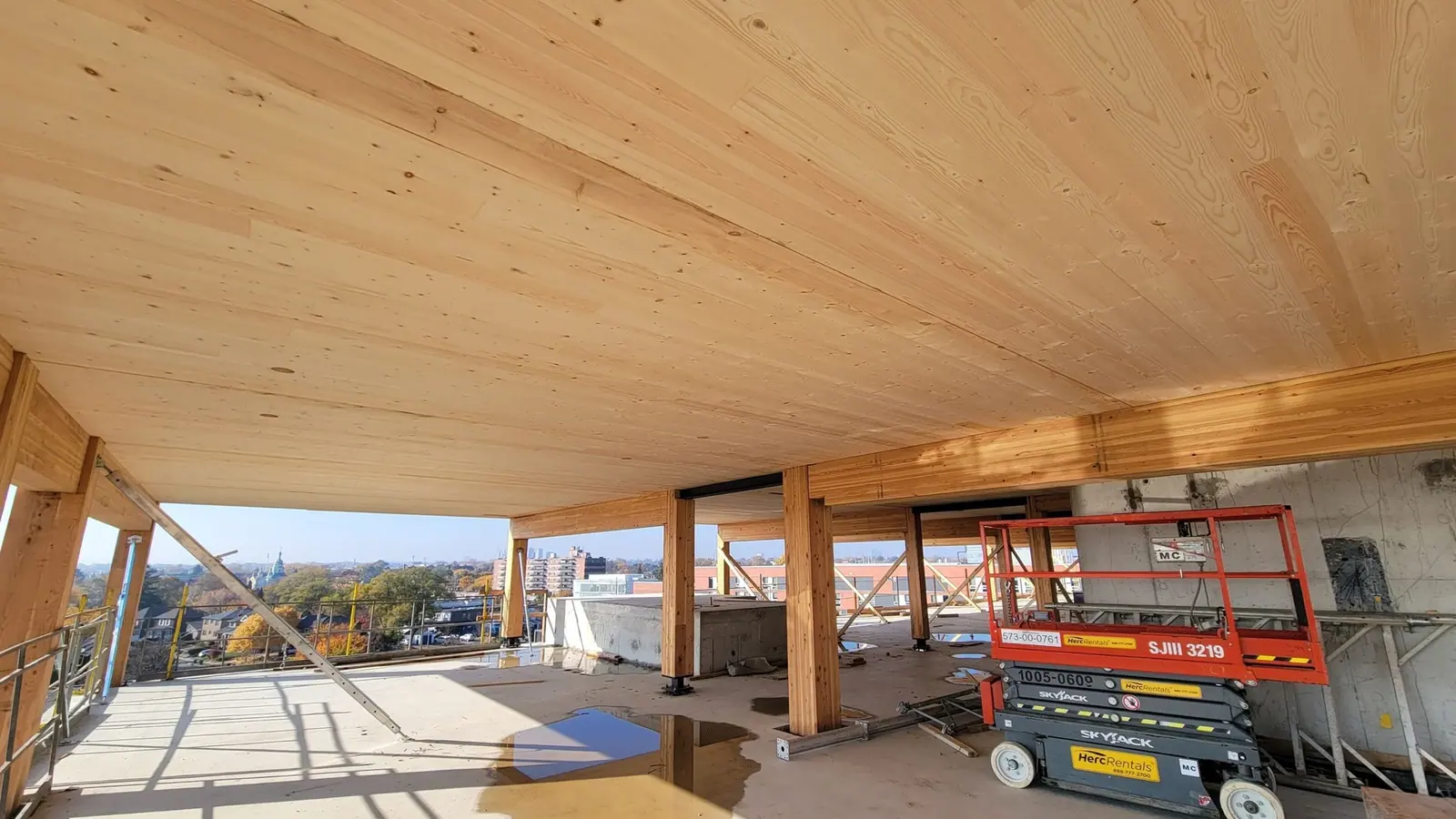
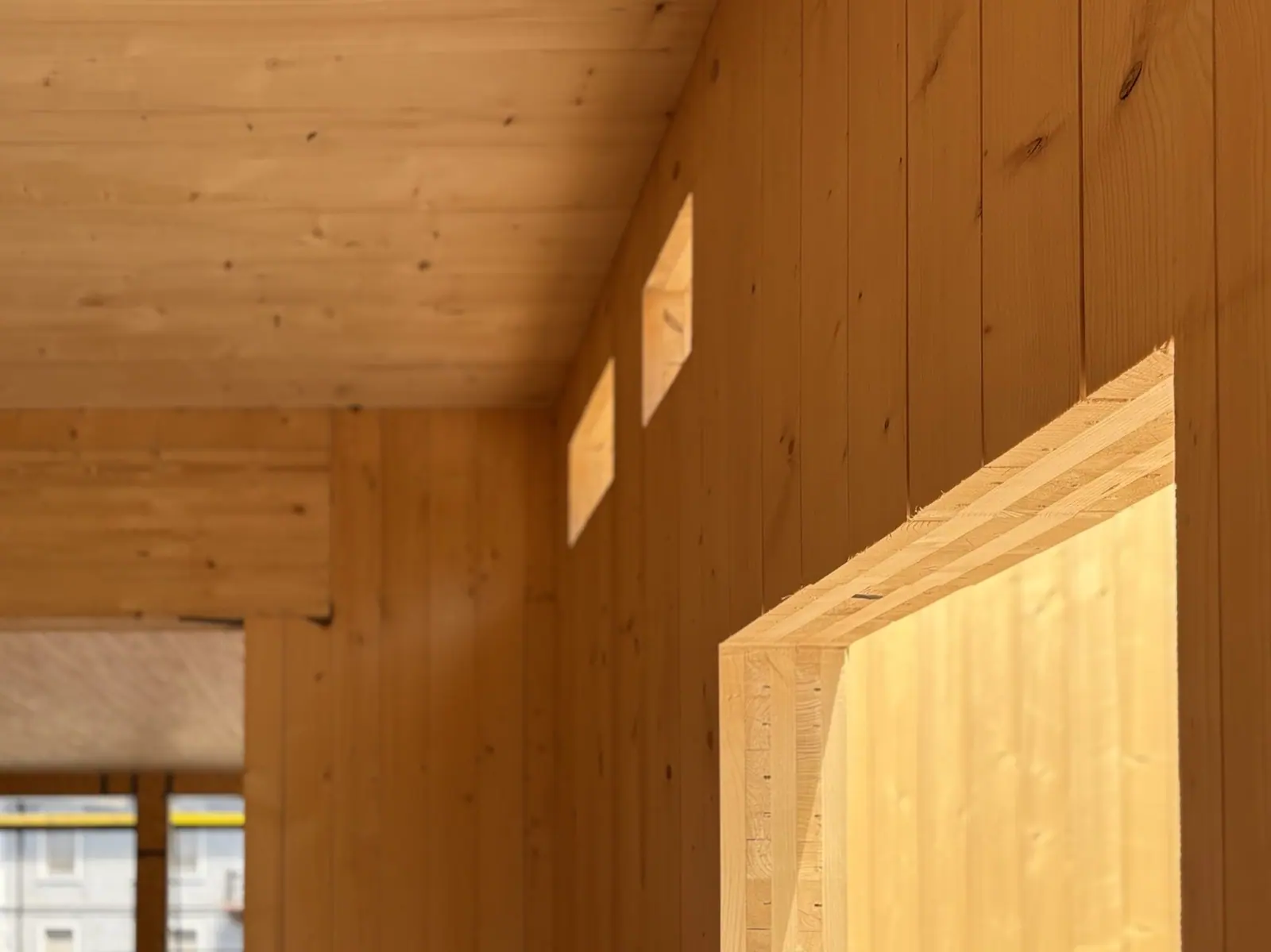
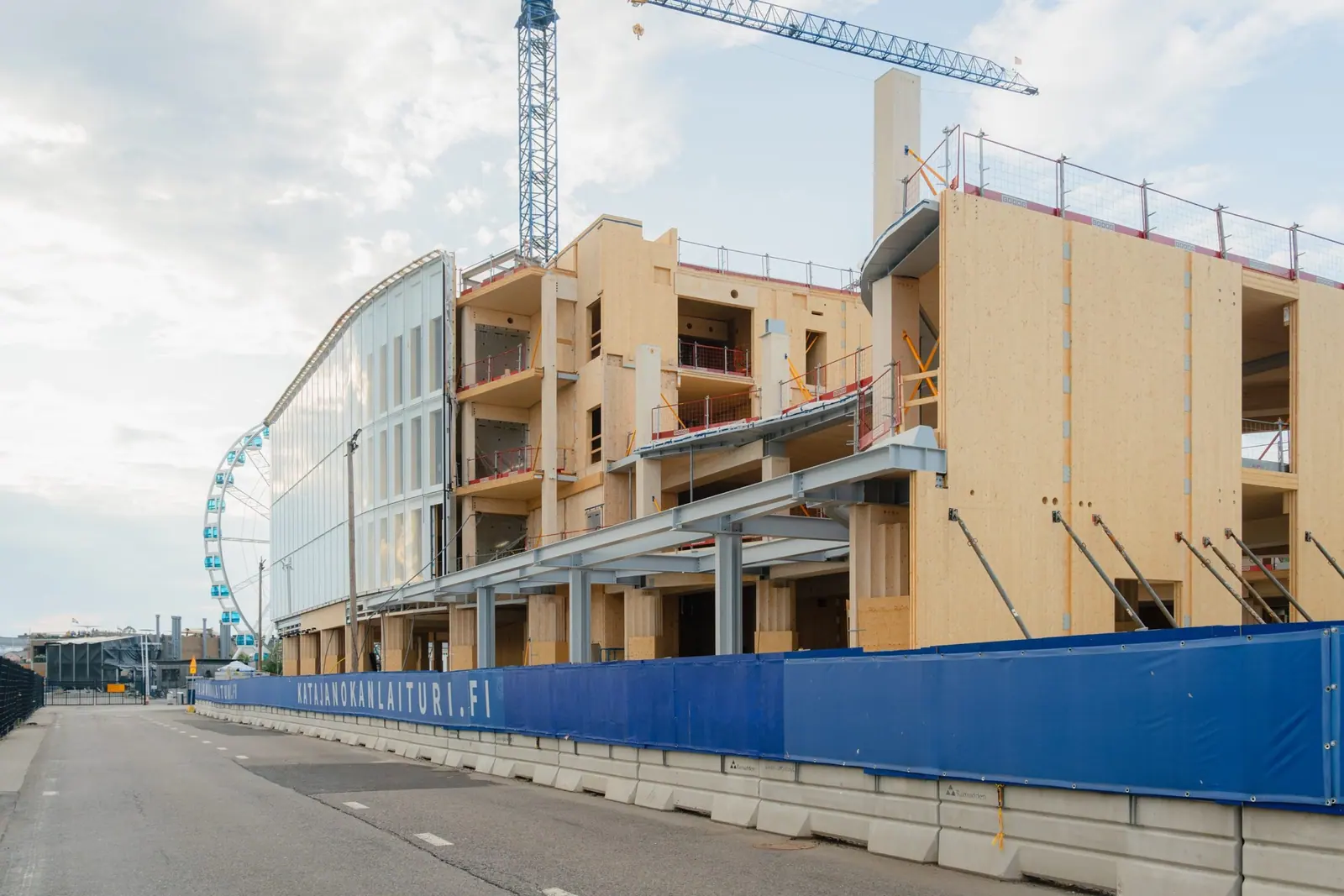
Timber modular construction combines both approaches. The volumetric modules are made of wood, for example solid wood such as cross-laminated timber (CLT). They are made in series in the factory hall, regardless of the weather.
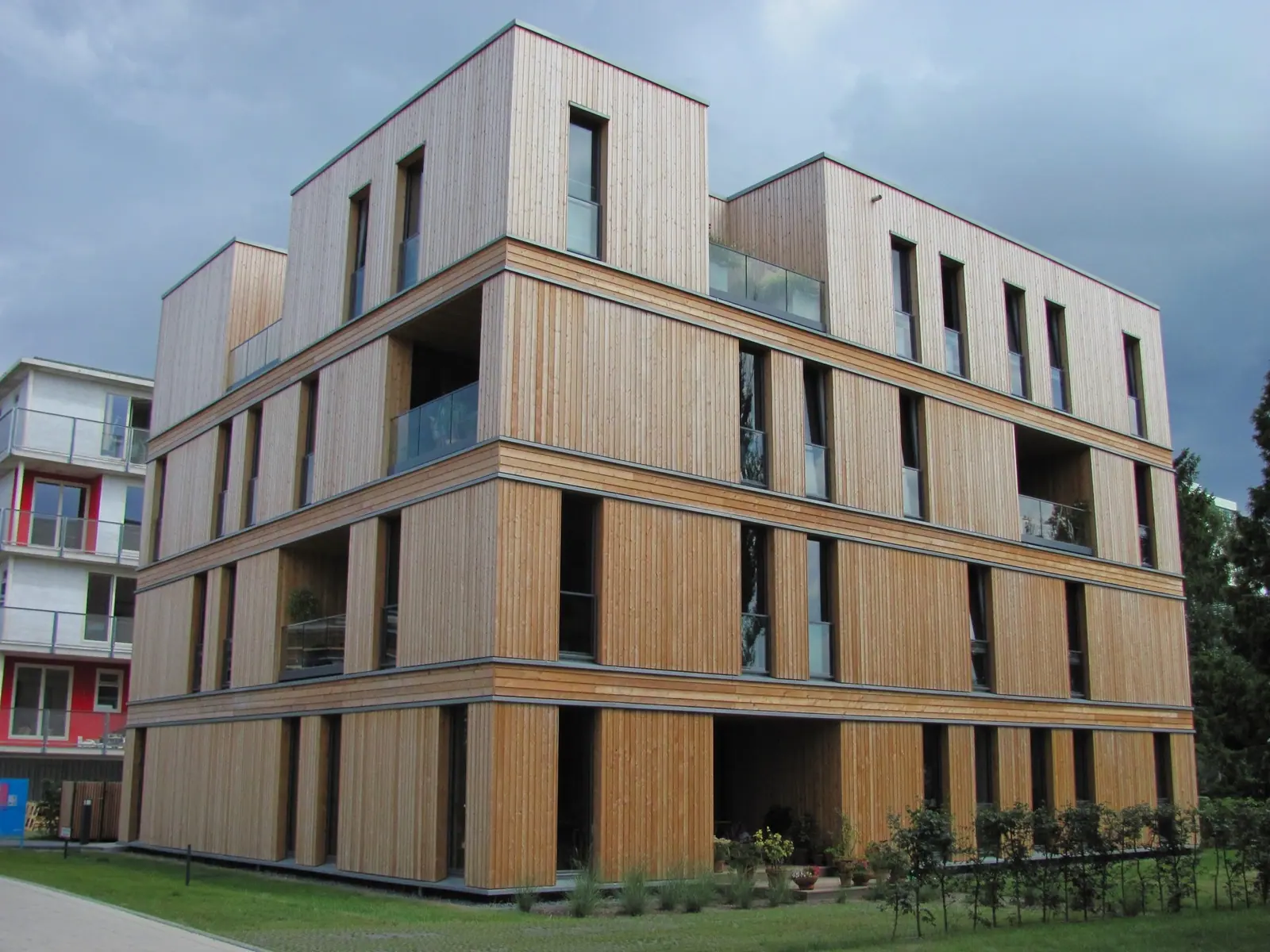
arcneo builds according to this principle. Our standard house type is a multi-family house with three to six storeys made of prefabricated solid wood modules. In the factory, wall, ceiling and floor elements are first made from solid wood. These are joined into volumetric modules, which are assembled into the house on the construction site. The construction time is 8 to 14 months per project. The house type is designed for the KfW Efficiency House 40 standard and QNG certification. Our building concept for multi-family houses made of timber modules shows how this works in detail.
Frequently asked questions
- What is the difference between serial and modular construction?
- Serial construction is a principle: components or building types are standardised and manufactured in series. Modular construction is a construction method in which the building is made of prefabricated volumetric modules. Modular construction is one form of serial construction. But serial construction can also work with flat wall and ceiling elements.
- What is element construction?
- In element construction, also called panel construction, flat components such as walls, ceilings and roof elements are made in the factory. On the construction site they are assembled into the building. Alongside modular construction, it is a widespread form of serial construction.
- Is a prefabricated house a modular house?
- Not necessarily. Many prefabricated houses are made of prefabricated wall panels and ceilings, in other words in element construction. With a modular house, entire volumetric modules come from the factory. Both construction methods rely on prefabrication.
- Is serial construction the same as precast concrete panel building (Plattenbau)?
- Precast concrete panel building is an early form of serial construction with large precast concrete elements. Today’s serial construction uses digital planning and various materials, including wood. It allows more variants in floor plan and facade.
- Can you build multi-storey buildings with timber modules?
- Yes. arcneo’s standard house type is a multi-family house with three to six storeys made of solid wood modules. The fire protection requirements are set by the building regulations of the respective federal state.
- How long does it take to build a multi-family house from timber modules?
- That depends on the project. At arcneo, the construction time is 8 to 14 months per project. The modules are made in the factory while the preparatory work is under way on the construction site.
Despot Bitschnau writes for arcneo Insights about timber modular construction, serial construction and AI in project development.
Read more
More Insights

Green building: why efficient properties are redefining the future of the industry
Construction and building operation account for nearly 40% of global greenhouse gas emissions.
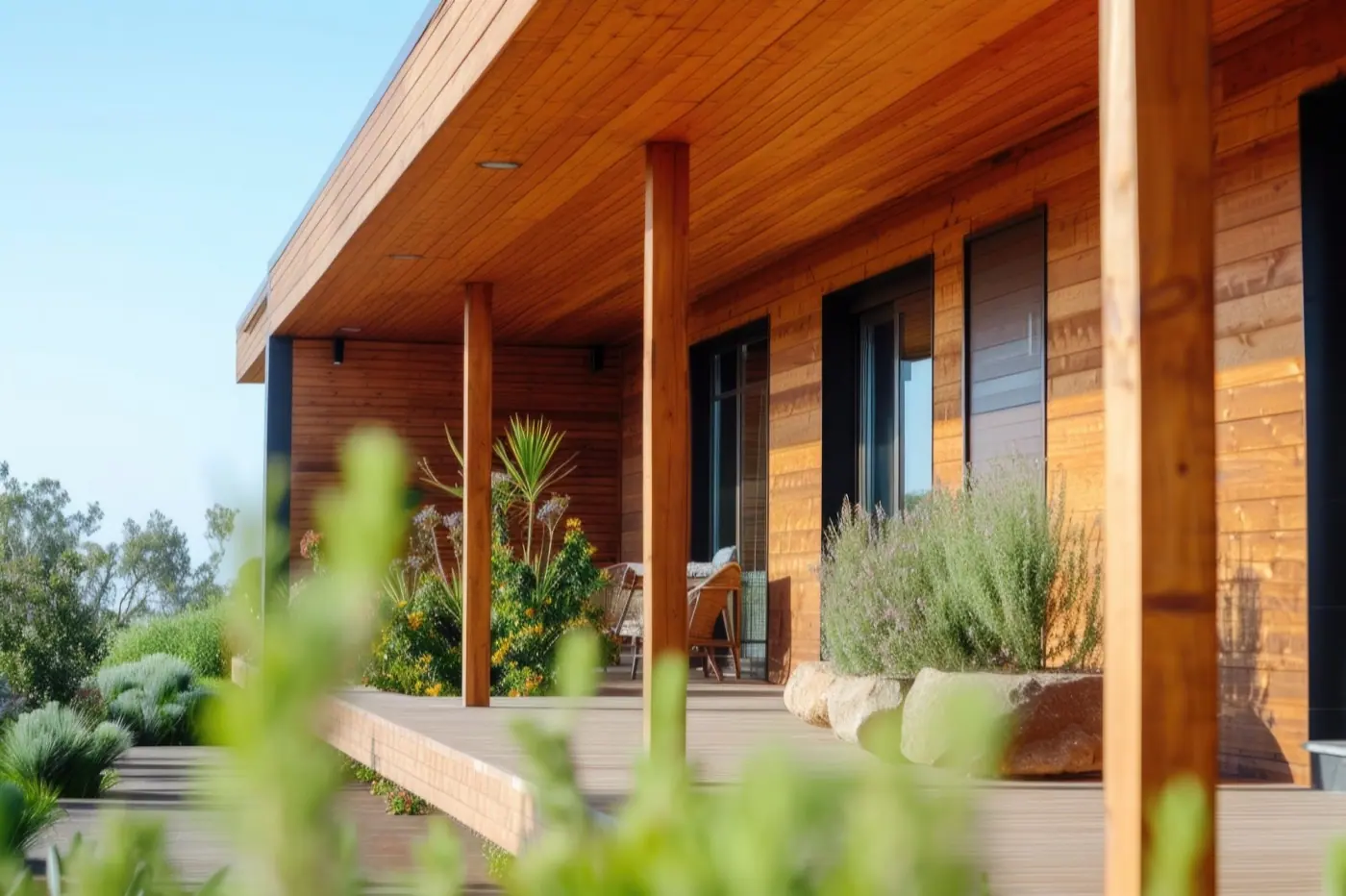
The rise of wood: why wood is the building material of the 21st century
The building sector causes almost 40% of global greenhouse gas emissions. The role wood plays as a building material.

Meet the Team: Volker Bredler, project development with principles
More than 40 years of experience in project development, including four decades at Aldi Süd. A conversation about responsibility and clear principles.
Contact
Get to know the team
Get to know the team in a personal conversation. We will show you documents and current project information and answer your questions.
- Personal conversation with the team
- Documents and project information