




Green building: why efficient properties are redefining the future of the industry
According to the UN Environment Programme (UNEP) and the International Energy Agency (IEA), construction and building operation account for nearly 40% of global greenhouse gas (GHG) emissions.
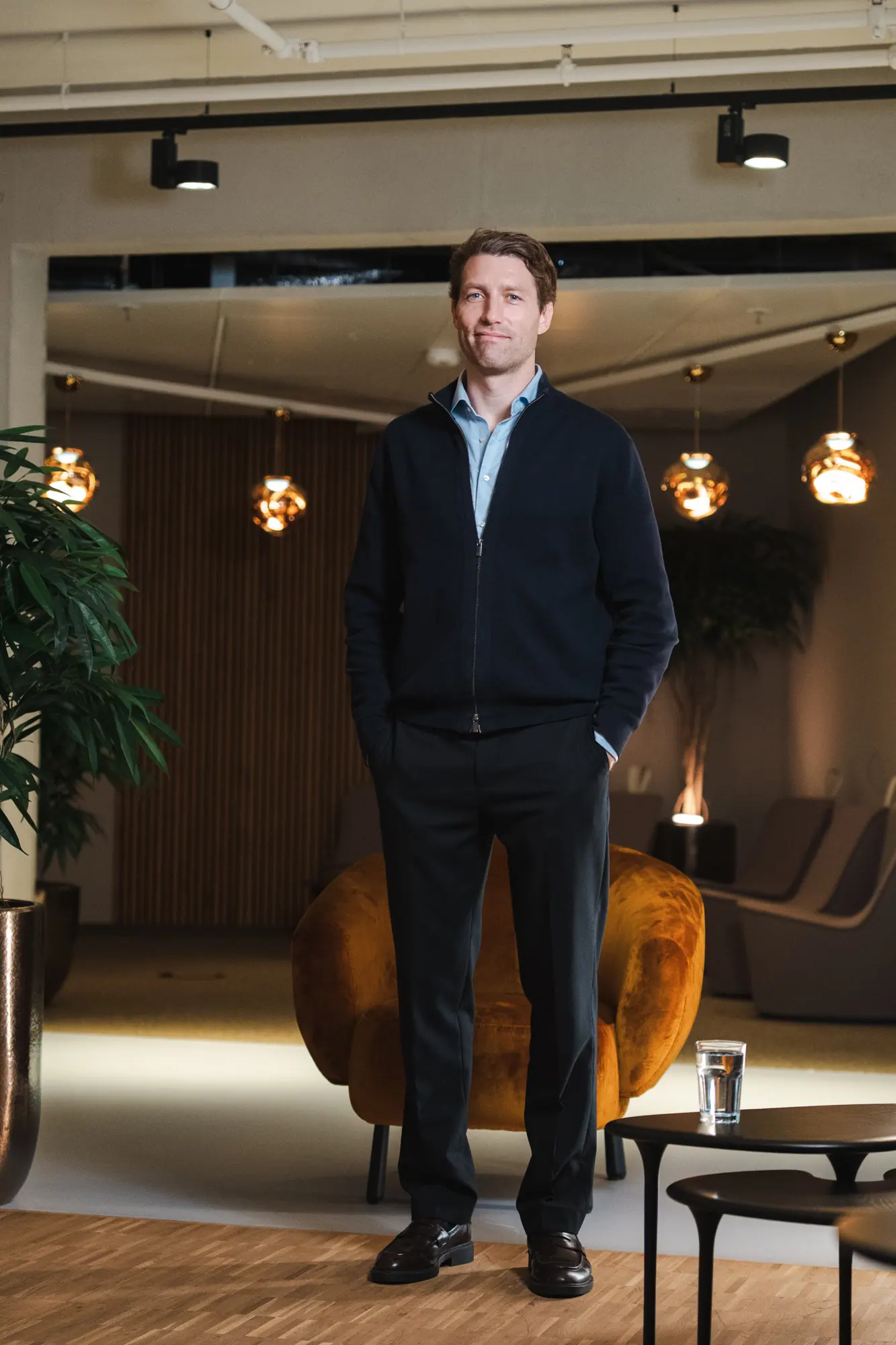
 Jonathan AlbroscheitFounder and CRO, arcneo
- Published
- 19 August 2025
- Reading time
- 5 minutes
In brief
- Green today means life cycle performanceThe new standard covers the CO₂ balance, circularity and social impact, not just energy consumption.
- Regulation and markets are aligning with net zero targetsLegislation, consumer behaviour and financial instruments make sustainability a strategic must.
- The main barriers are systemic, not technicalPerceived costs, fragmented processes and knowledge gaps hold things back. Integration solves this.
- arcneo builds what the future demandsBy combining sustainability, economic viability and impact, arcneo puts change into practice.
According to the UN Environment Programme (UNEP) and the International Energy Agency (IEA), construction and building operation account for nearly 40% of global greenhouse gas (GHG) emissions.
For far too long, the construction and real estate industry was a blind spot in the climate debate, a “sleeping giant”, as the International Institute for Sustainable Development (IISD) aptly puts it. While topics such as energy, mobility and agriculture were at the centre of climate policy discussions, the real estate industry was largely overlooked.
Why? There are several structural reasons:
-
For a long time, buildings were seen as a local matter, regulated by municipal rules and the free market, not as a globally relevant climate system.
-
The industry is fragmented: developers, architects, engineers, investors, facility managers and tenants often act in isolation, without a holistic view of the life cycle.
-
Regulation focused primarily on safety rather than sustainability. Energy efficiency and material standards have only recently been developed further with the climate in mind.
-
The lack of real-time data and tools for assessing life cycle carbon makes the true impact hard to see.
As the UNEP Global Status Report for Buildings and Construction 2023 states:
“Despite progress in green building practice and energy efficiency, the sector’s total emissions continue to rise, in particular because of new construction in rapidly urbanising regions.”
On top of this, sustainable construction receives only a fraction of global climate finance, and innovation in construction lags behind other industries. According to GlobalABC, construction productivity “has barely increased for decades”, while digital and clean technologies are growing rapidly elsewhere.
But change has begun. Governments, investors and civil society recognise that without fundamental change in this industry, net zero targets will remain out of reach.
The built environment is no longer on the fringes of the climate agenda. It is at its centre, a challenge and an opportunity at the same time.
What makes a “green building” today
The term green building has evolved considerably. It used to stand for energy-saving light bulbs or better insulation. Today it describes a holistic and ambitious vision. Green buildings not only reduce their energy consumption, but minimise their ecological and social footprint over the entire life cycle.
The UNEP Global Status Report 2023 explains:
“A green building is not only energy-efficient, but reduces emissions and environmental impacts over its entire life cycle.” This concerns the materials used, construction processes, operation and dismantling alike.
The World Green Building Council (WorldGBC) shapes this definition with its “Whole Life Carbon Vision”:
-
Operational carbon: emissions from heating, cooling and electricity use
-
Embodied carbon: emissions from raw materials, production, transport and construction
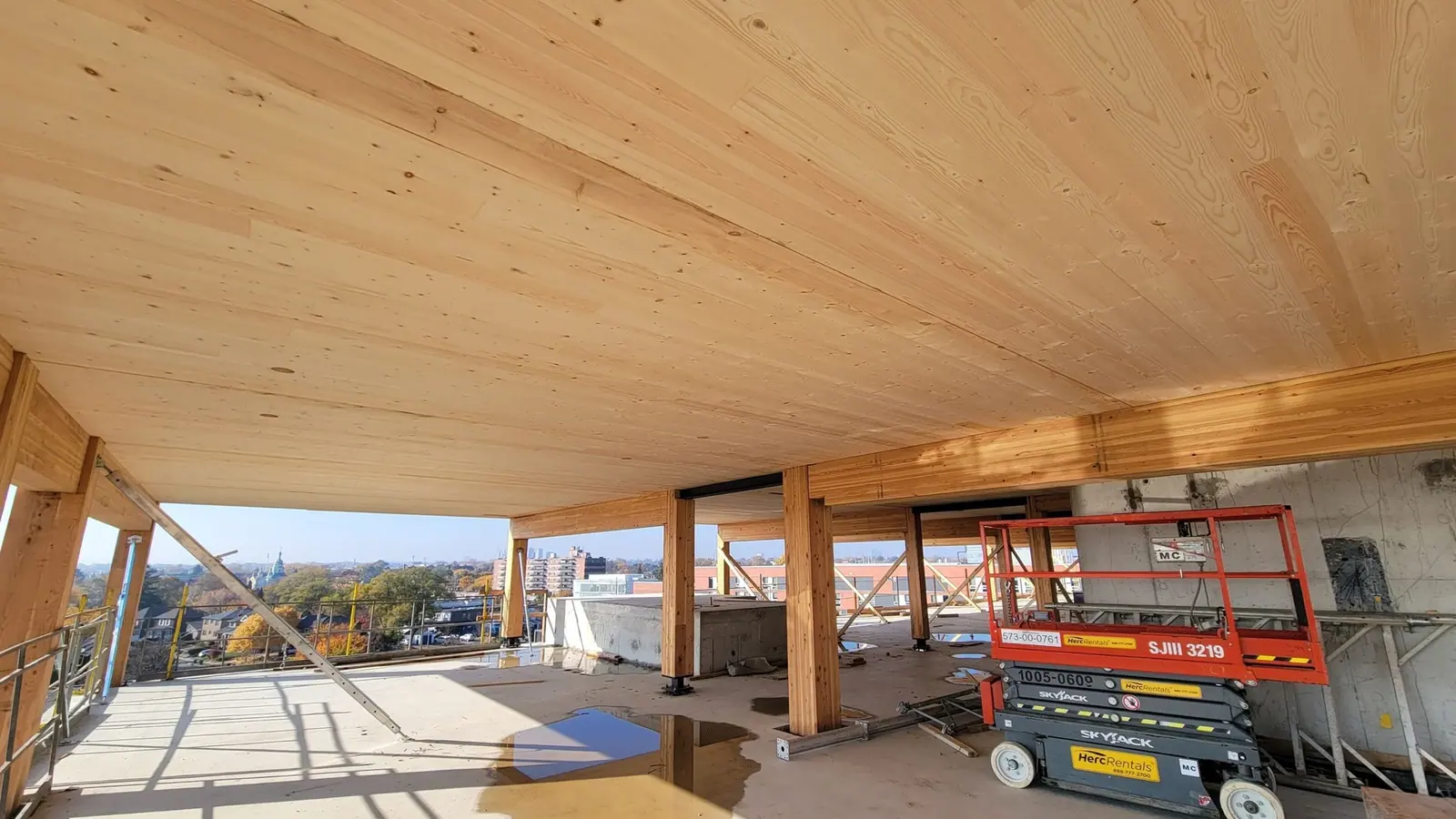
This life cycle perspective changes planning, financing and the choice of materials, e.g. in favour of timber construction or CO₂-binding concrete.
But modern green buildings do even more. They promote:
-
Resilience to climate impacts (e.g. heat, flooding)
-
Well-being through daylight, air quality and thermal comfort
-
Social participation through accessibility, affordability and usability across generations
The WorldGBC’s #BuildingForEveryone initiative stresses: “Green building goes beyond CO₂: it is about people, place and planet.”
Forces shaping the future
Sustainable buildings are no longer a niche topic. They are driven by a strong triad of policy, the market and economic innovation.
Legislation: sustainability becomes mandatory
Governments are integrating sustainability into building law and investment criteria. In Europe, the EU taxonomy and the Fit for 55 package set ambitious standards for CO₂ balances and ESG criteria. In Germany, the GEG 2024 (Buildings Energy Act) tightens the requirements for electrification and climate-neutral heat supply.
Globally, initiatives such as GlobalABC under UNEP are driving cross-border standards: vision is turning into obligation.
Society and demand: expectations become real
Sustainability influences purchasing decisions. According to Capgemini, 79% of consumers also take environmental aspects into account when it comes to real estate.
Millennials and Gen Z in particular demand healthy, energy-efficient homes. But in tight housing markets, high prices and low availability often prevent access to greener options.
Even so, certified buildings let faster, achieve higher rents and gain value in the long term.
Innovation and economic viability: from cost factor to competitive advantage
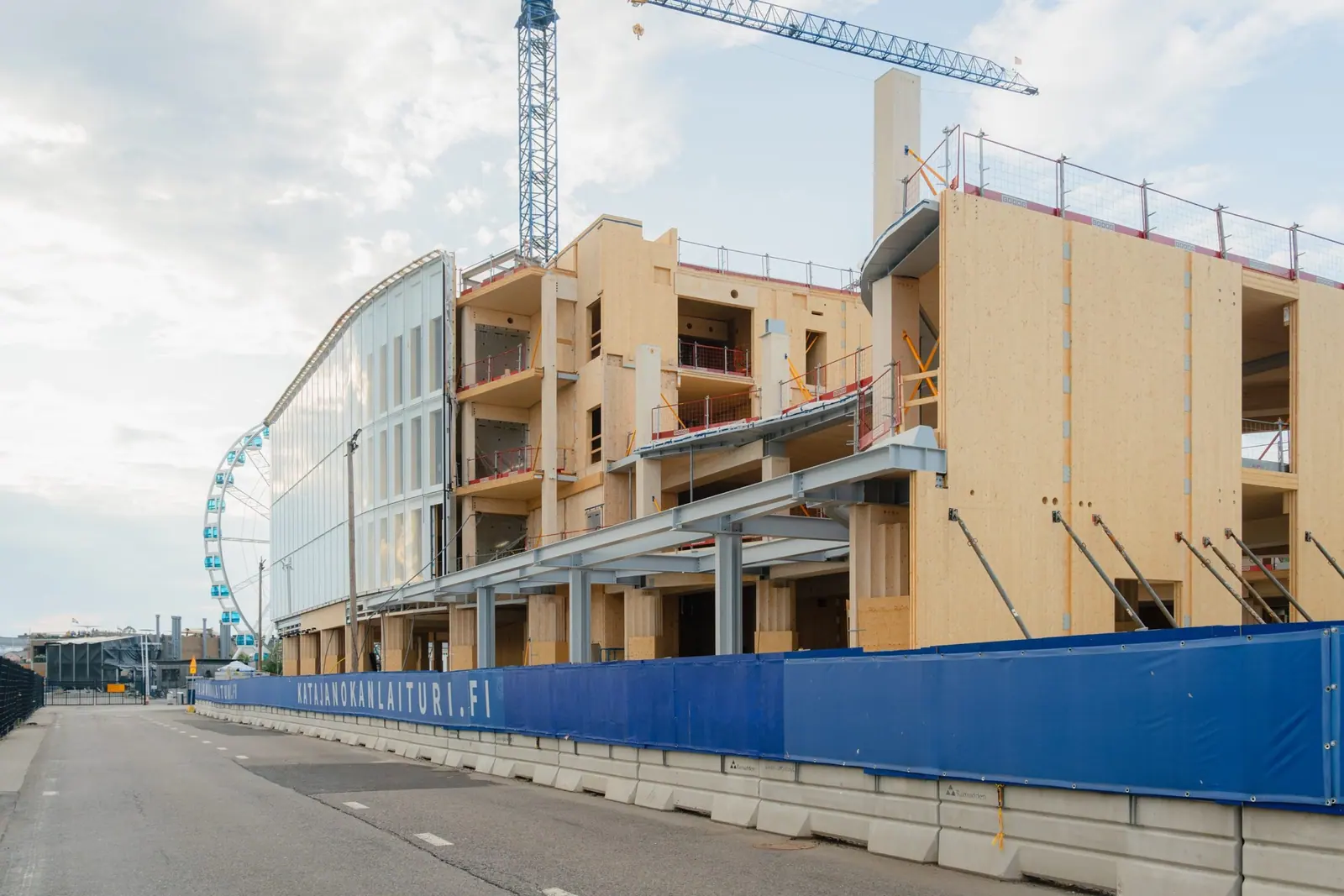
Technology is bridging the gap between sustainability and profitability. Digital twins and smart sensors optimise operation from design through to use. Materials such as wood or hempcrete reduce emissions without any loss of quality.
Circular approaches such as urban mining and design for disassembly cut costs and CO₂. According to the IEA, energy-efficient buildings can cut operating costs by up to 20%.
Capital is following the trend: green bonds, impact investments and ESG loans make sustainability a competitive advantage.
Challenges and myths
Despite growing momentum, myths and structural barriers are slowing down change. Most of them are not technical but systemic challenges:
The cost myth: green is not always more expensive
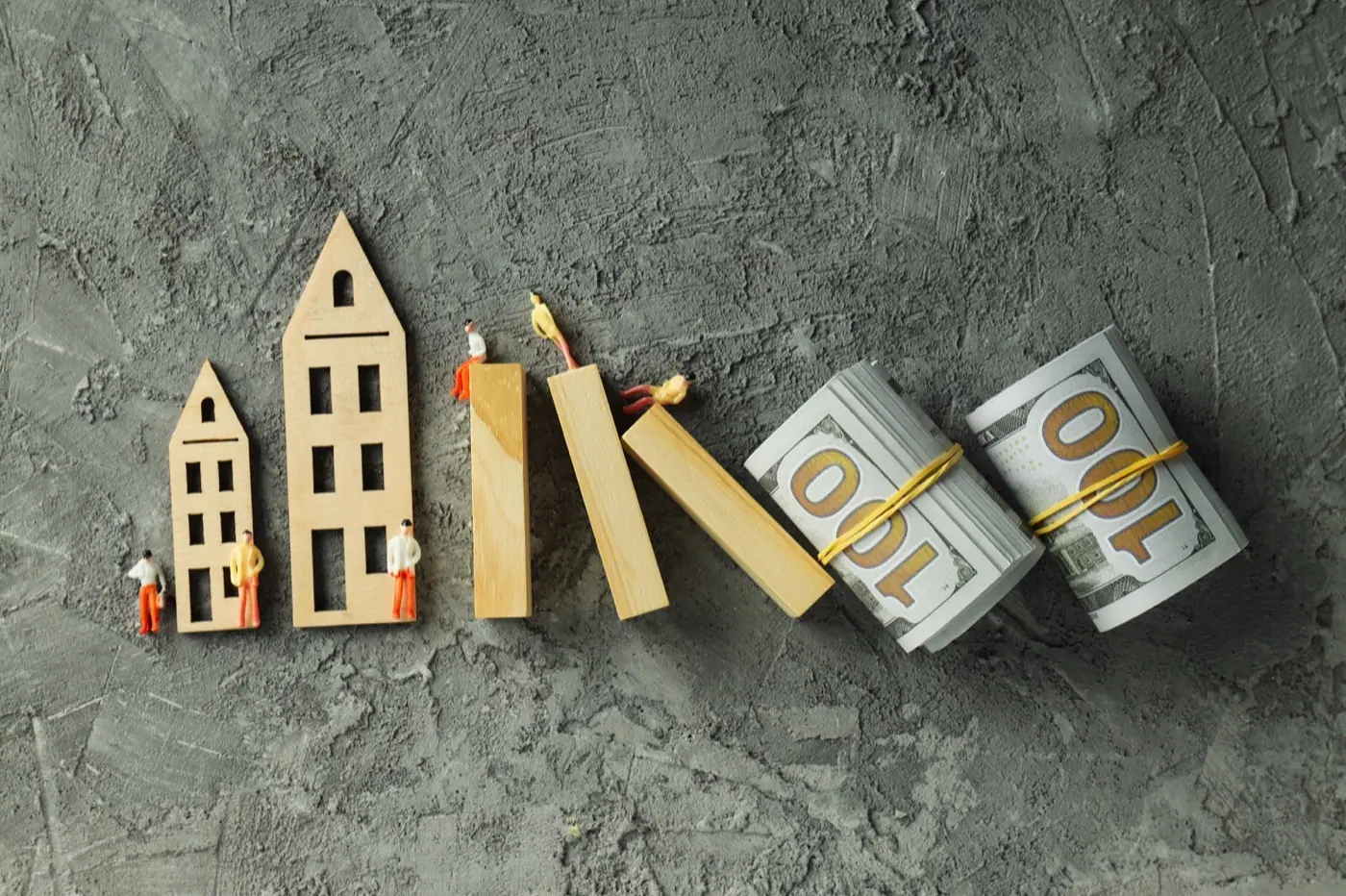
The idea that sustainable construction is expensive often persists without justification. Many measures, such as passive design, energy efficiency or modular systems, lower life cycle costs, even if they are slightly more expensive to acquire.
According to the IEA and UNEP, green buildings can save up to 20% in operating costs in the long term. The real problem: financing models usually reward the lowest initial price, not the highest life cycle value.
Complexity: more coordination, not more complication
Sustainable planning is more complex, for example because of CO₂ analyses, circular material cycles or climate adaptation. But the challenge usually lies in the project structure, not in the technology.
Classic projects are fragmented: planning, construction and financing often run in isolation. Tools such as BIM, digital twins and integrated project delivery encourage early, collaborative decisions.
Skills shortage and system inertia
In many regions, the know-how for sustainable materials or construction methods is lacking. Authorities are often not prepared for new assessment standards either.
Solutions require further training, standardisation and new planning tools, and a cultural shift: sustainability can no longer be an add-on, it has to become a basic requirement.
arcneo: we build differently because we think ahead
arcneo does not wait for the system: we actively help to shape it. Our development and investment strategy resolves barriers that others accept:
-
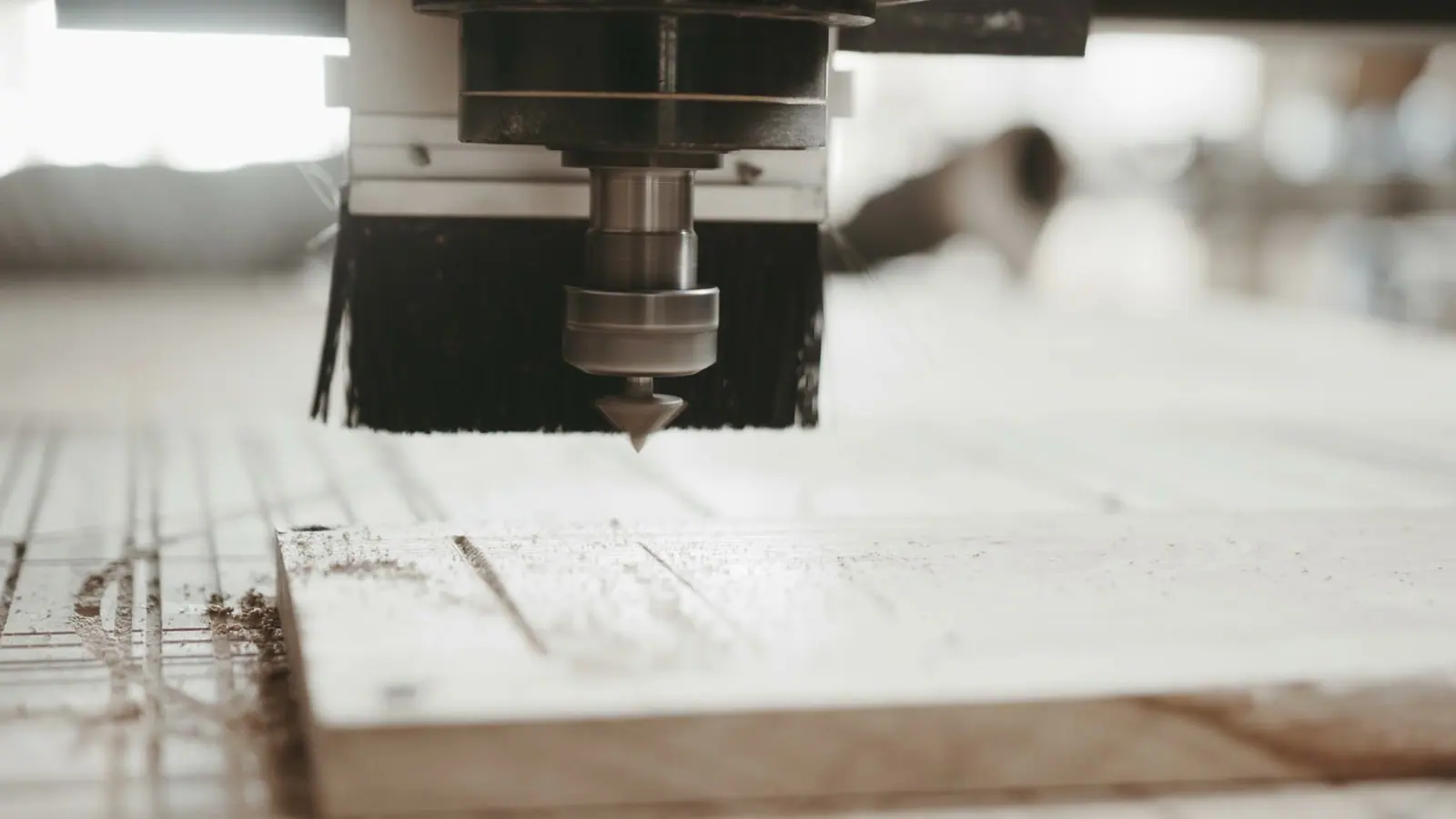
We integrate CO₂ balances, planning and prefabrication from the start
-
We work with digital, tech-savvy architects and engineers
-
We combine impact with return through verifiable ESG data
By anticipating challenges instead of avoiding them, we turn friction in the system into a strategic lever.
Conclusion
The built environment is not a neutral backdrop in the climate crisis: it is the central stage and a lever at the same time. With more than a third of global emissions, the industry bears enormous responsibility and at the same time offers transformative leverage.
Green buildings are not a luxury. They are the foundation for a climate-stable, inclusive future. From innovative materials and digital tools to political frameworks: change is under way. But its impact depends on whether we act strategically or keep building to outdated patterns.
Sustainability has long ceased to be just a question of “what”. It is a question of how, why and for whom. Today’s decisions shape everyday life in the cities of tomorrow.
The opportunity is there. The momentum is real. And the future will be shaped by those who decide to lead the way.
Frequently asked questions
- What causes most of the emissions from buildings?
- So far it has mainly been energy consumption in operation. But embodied emissions from materials, manufacturing and construction are increasingly coming into focus, because they contribute to the climate burden up front and on a massive scale.
- Are green buildings more expensive to build?
- Not necessarily. Certain components may be more expensive, but operating costs fall over the life cycle. According to the IEA and UNEP, savings of up to 20% are possible.
- Which materials are particularly sustainable?
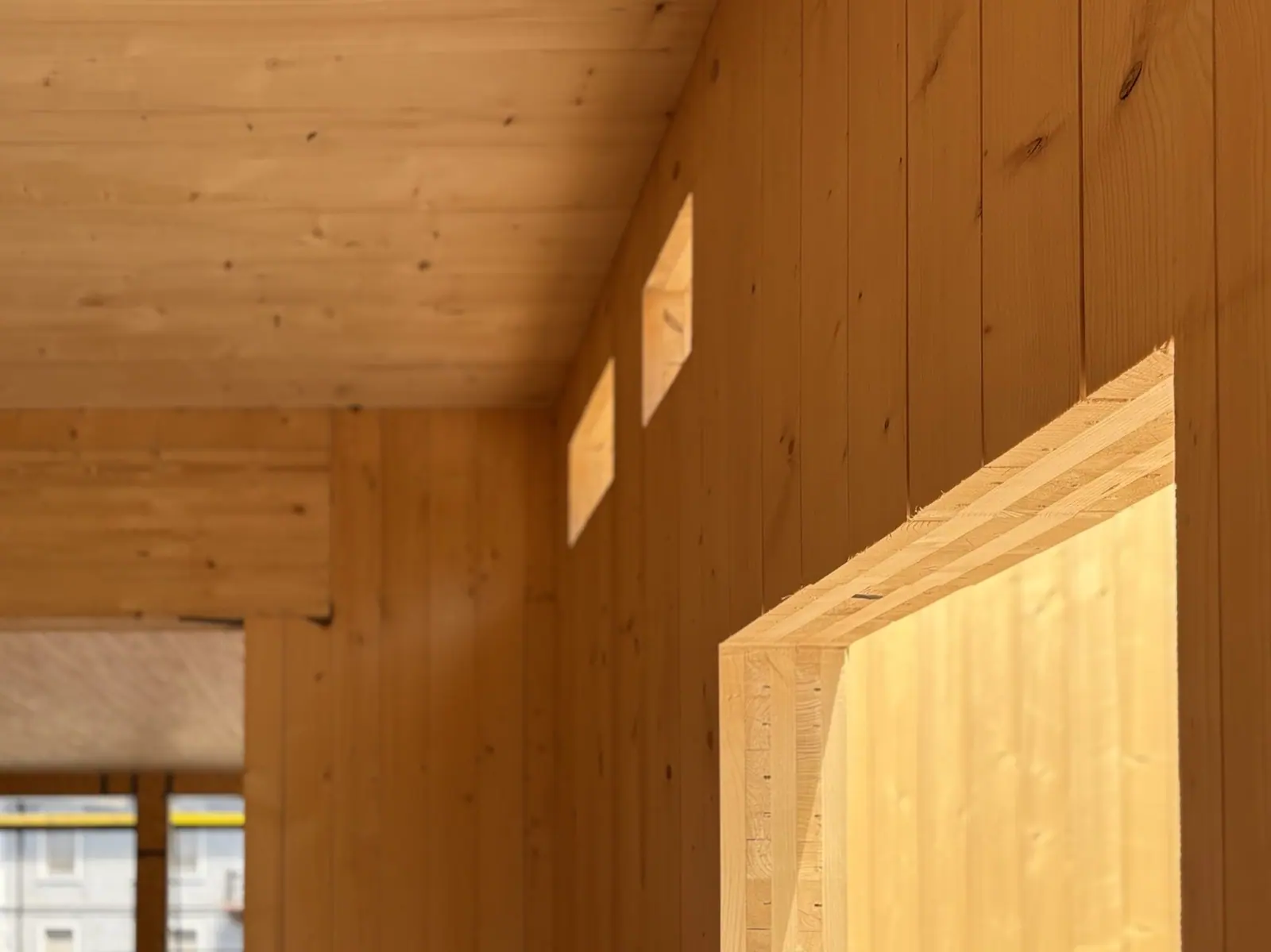
- Cross-laminated timber, low-CO₂ concrete, recycled steel, hempcrete and natural insulation materials are promising, provided they are assessed over the life cycle.
- Can existing buildings be converted into green buildings?
- Yes. Through energy-efficient renovation, insulation, efficient technology, electrification and smart controls, existing buildings can cut emissions massively and become more resilient.
Jonathan Albroscheit writes for arcneo Insights about the housing market, regulation and the team.
Read more
More Insights
Serial and modular construction: the difference
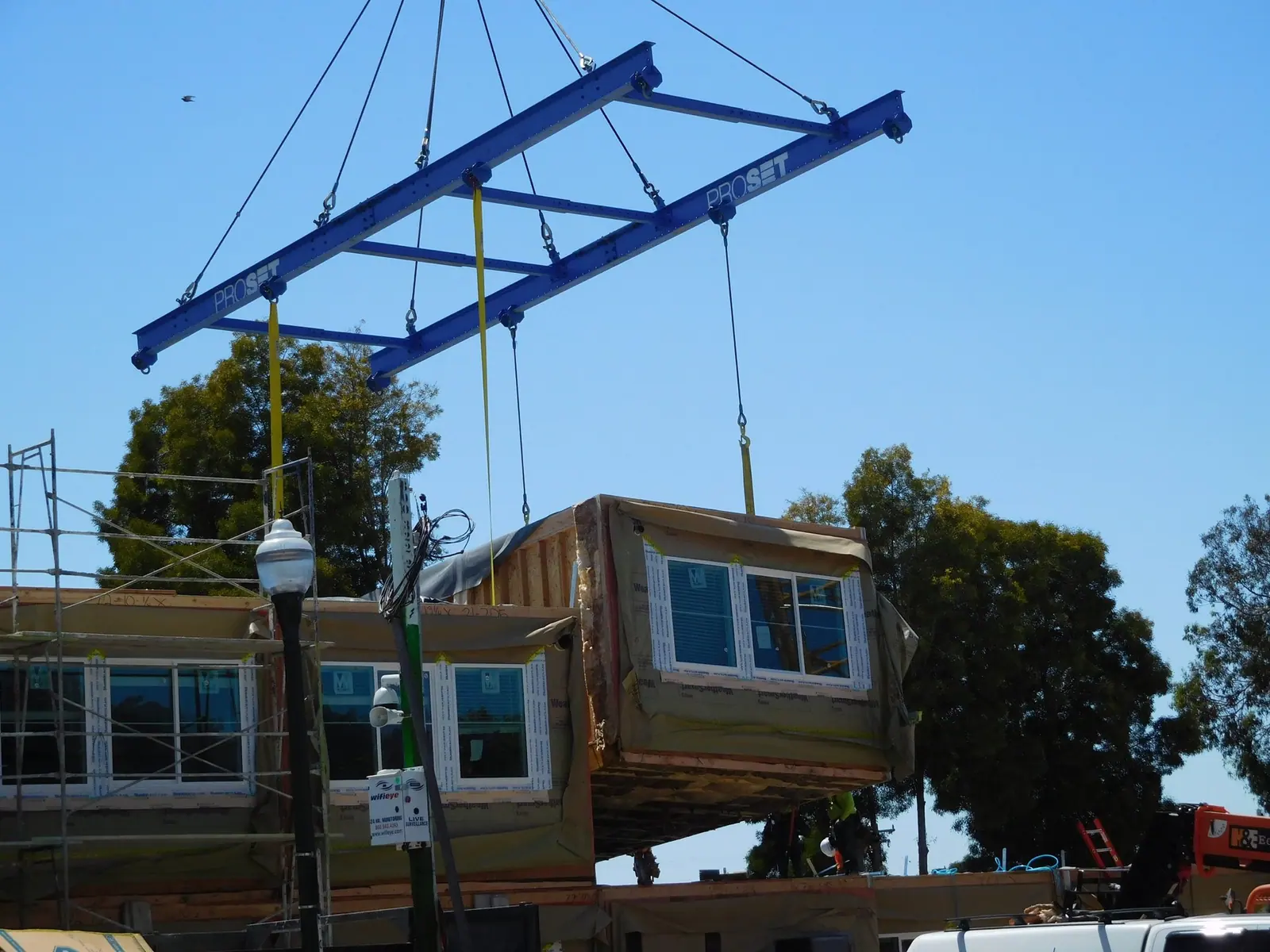
Serial construction is a principle, modular construction is a construction method. What separates the two terms and where timber modular construction stands.
The rise of wood: why wood is the building material of the 21st century
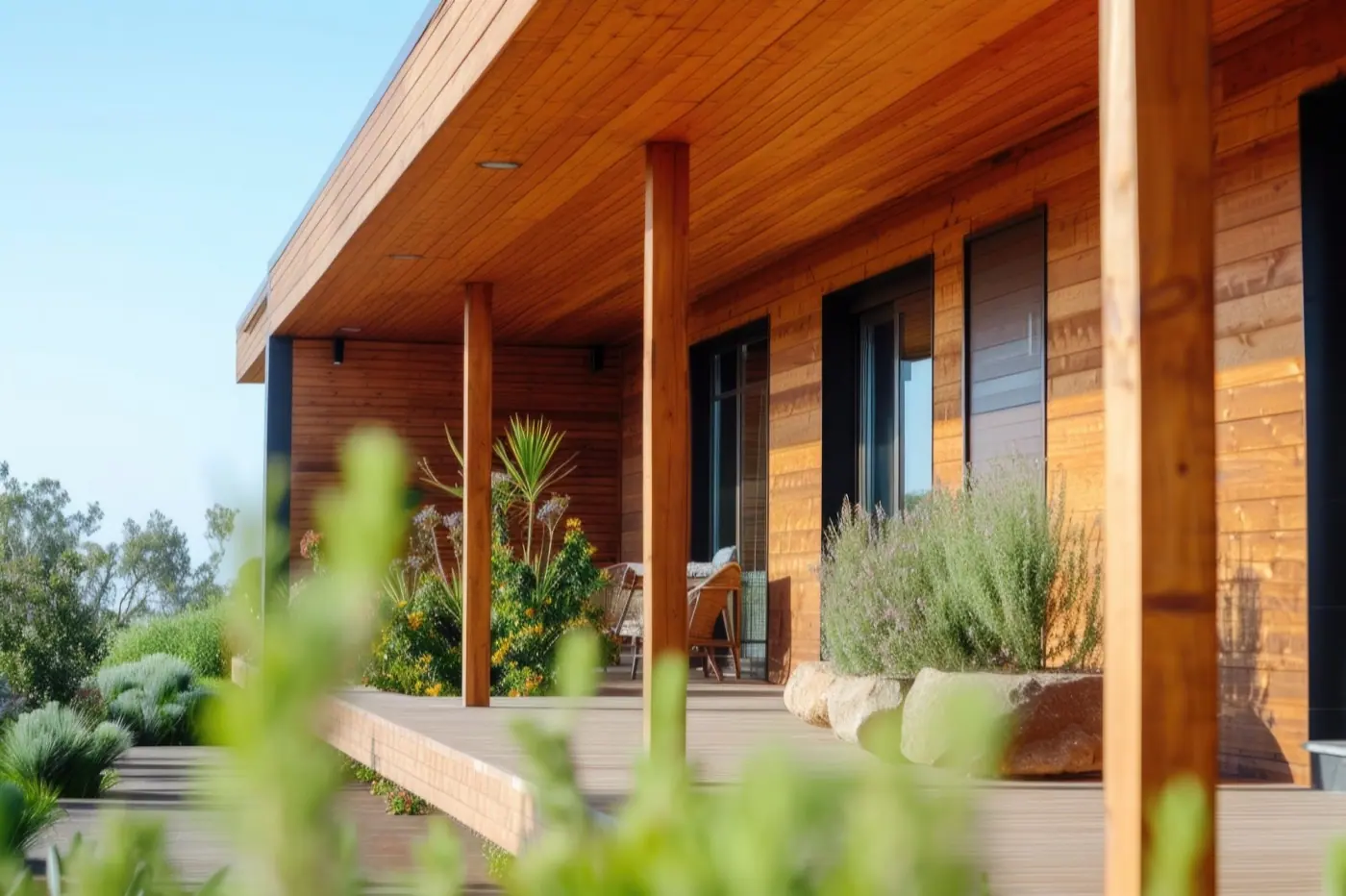
The building sector causes almost 40% of global greenhouse gas emissions. The role wood plays as a building material.
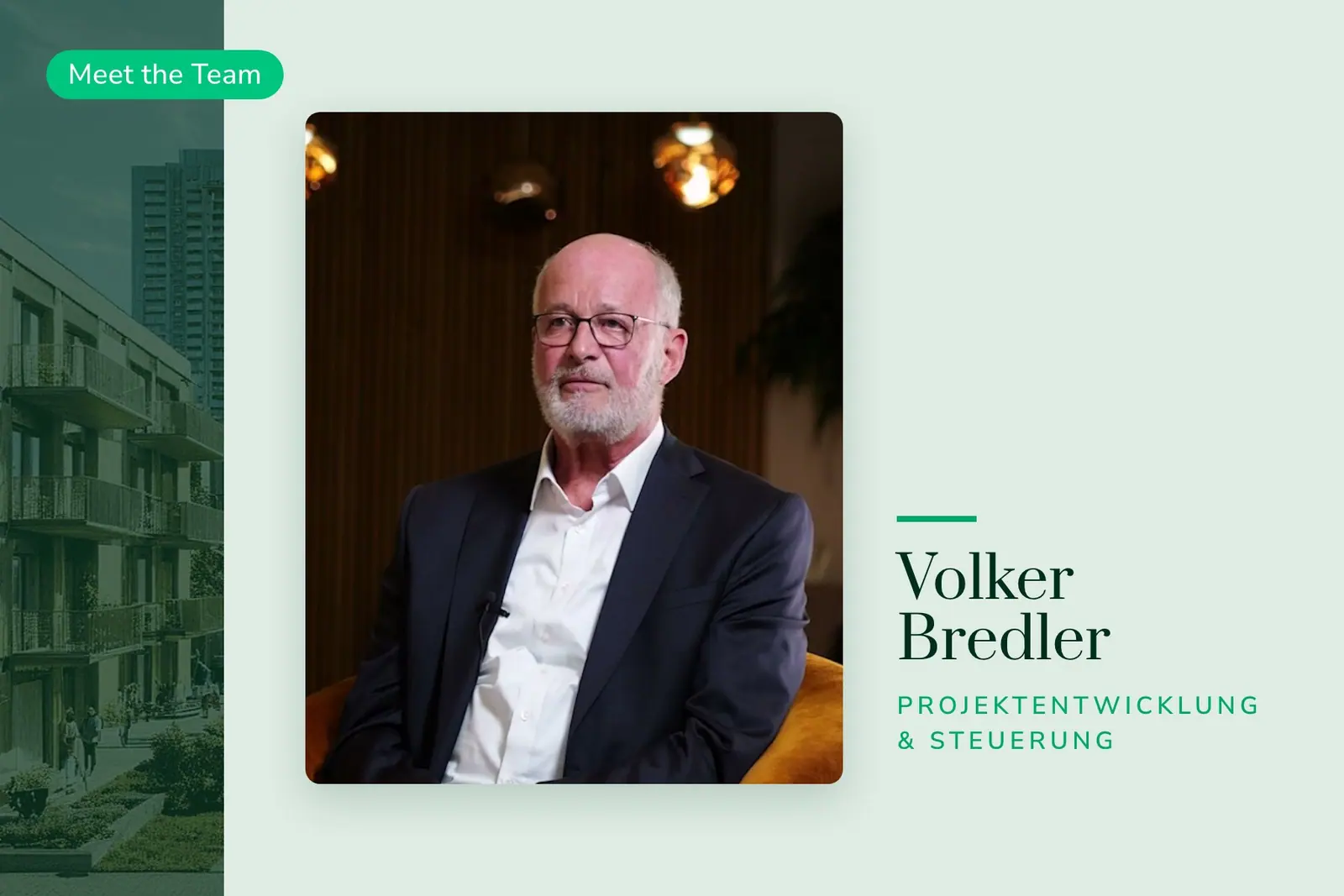
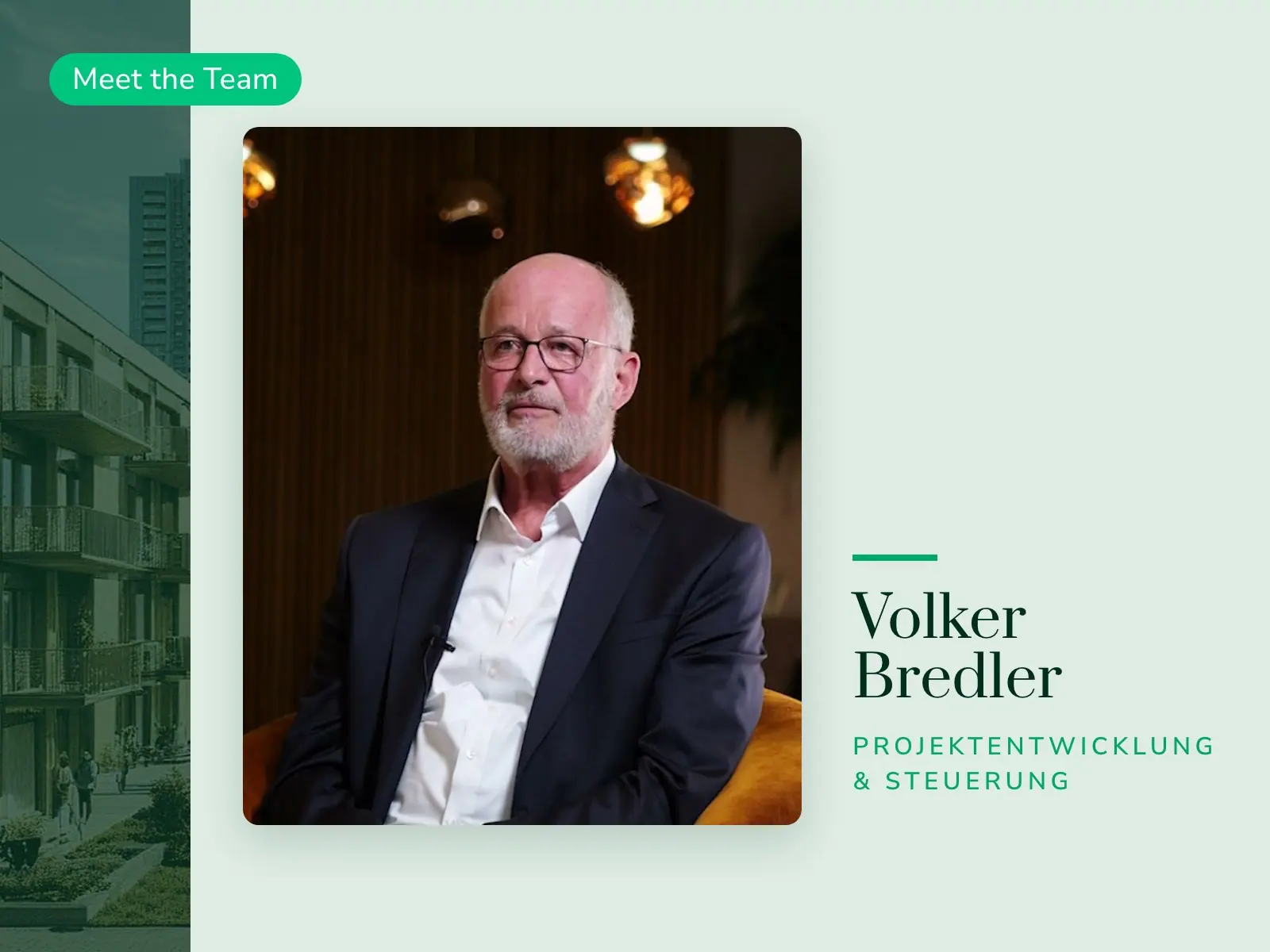
Meet the Team: Volker Bredler, project development with principles
More than 40 years of experience in project development, including four decades at Aldi Süd. A conversation about responsibility and clear principles.
Contact
Get to know the team
Get to know the team in a personal conversation. We will show you documents and current project information and answer your questions.
- Personal conversation with the team
- Documents and project information