





The rise of wood: why wood is the building material of the 21st century
The global construction industry is one of the most resource-intensive industries in the world. According to the UN Environment Programme and the International Energy Agency, the building sector causes almost 40% of global greenhouse gas emissions, 40% of…
 Jonathan AlbroscheitFounder and CRO, arcneo
- Published
- 15 July 2025
- Reading time
- 5 minutes
In brief
- Solid wood construction lowers emissionsCompared with steel or concrete, solid wood construction reduces embodied carbon by 19 to 50%, a decisive advantage in decarbonising the built environment.
- Lighter construction, smarter engineeringTimber buildings weigh around 35% less, which allows slimmer foundations, lower transport loads and greater structural efficiency.
- CO₂ storage built into the structureWood acts as a carbon sink, stores biogenic carbon throughout its entire life cycle and delays emissions by decades.
- Faster projects through prefabricationWood enables modular construction, which shortens schedules, increases precision and reduces the work on the construction site.
The global construction industry is one of the most resource-intensive industries in the world. According to the UN Environment Programme and the International Energy Agency, the building sector causes almost 40% of global greenhouse gas emissions, 40% of global energy consumption, 50% of the world’s waste and 40% of raw material consumption. In view of climate change, these figures show how urgent the shift to sustainable construction is.
At the same time, urbanisation is advancing rapidly. In their “Global Status Report 2017”, the United Nations assume that the building floor area in North America and Europe alone will increase by 50% by 2050. In a world of growing population density and increasing vertical densification, this means not just building more, but building better.
The construction industry lags behind on productivity. It is one of the least digitalised industries, with productivity stagnating since the 1990s. Labour shortages, inefficient processes and a low rate of prefabrication are just some of the reasons. Wood, especially industrially manufactured wood, offers a systemic solution: it is light, ideal for prefabrication and suited to modular, scalable construction methods.
Embodied carbon and life cycle impacts
Life cycle assessment (LCA) is still considered the gold standard for measuring the environmental performance of building materials. A comprehensive study published in Energy and Buildings (2022) compared cross-laminated timber (CLT) with traditional reinforced concrete (RC) across various design scenarios, including variations in span and live load.
The results were clear: CLT structures caused 75% less CO₂ than reinforced concrete, regardless of the specific structural requirements. This result remained stable across all design conditions, making it one of the most robust comparisons published to date.
This significant reduction in embodied carbon underpins the role of wood as the preferred building material in climate-conscious construction, especially in early planning phases, in which substituting materials enables exponential benefits over the entire life cycle.
CO₂ storage and carbon delay
Unlike concrete or steel, wood acts as a carbon sink. Trees absorb CO₂ as they grow, and engineered wood products keep storing this carbon as part of the built environment. Even if the carbon is released at the end of the life cycle, this release, delayed over decades, matters for the climate.
Material efficiency and weight
Besides its ecological advantages, wood also stands out for its light structural profile, which translates into material efficiency and design flexibility.
A compelling example is Adohi Hall, an 18,500 m² solid wood hall of residence at the University of Arkansas. Despite this scale, the total structural weight (including foundations) was only 10,306 tonnes, compared with 15,694 tonnes for an equivalent steel structure. That is a reduction in mass of 35%.
This weight saving has concrete effects:
-
Smaller foundations that use fewer resources
-
Lower emissions from transporting materials
-
Potential for adding storeys in locations where load-bearing capacity is critical
Combined with its ability to store CO₂ and its sustainability proven by LCA, wood’s low weight becomes a strong lever for urban densification and climate-conscious construction.
The superpowers of wood: sustainability meets performance
Responsible forestry and renewal cycles
When wood comes from certified forests, a true cycle of sustainability is created. Schemes such as PEFC or FSC guarantee responsible forestry, including reforestation, biodiversity and long-term ecosystem services. Companies such as Binderholz apply this consistently and source 100% of their wood from certified sustainable forestry. Their philosophy: production without waste. Even wood residues and sawdust are put to use.
Design freedom and prefabrication
Wood makes a strong case not only ecologically, but also in terms of construction logic. In modular systems it shows its strengths:
-
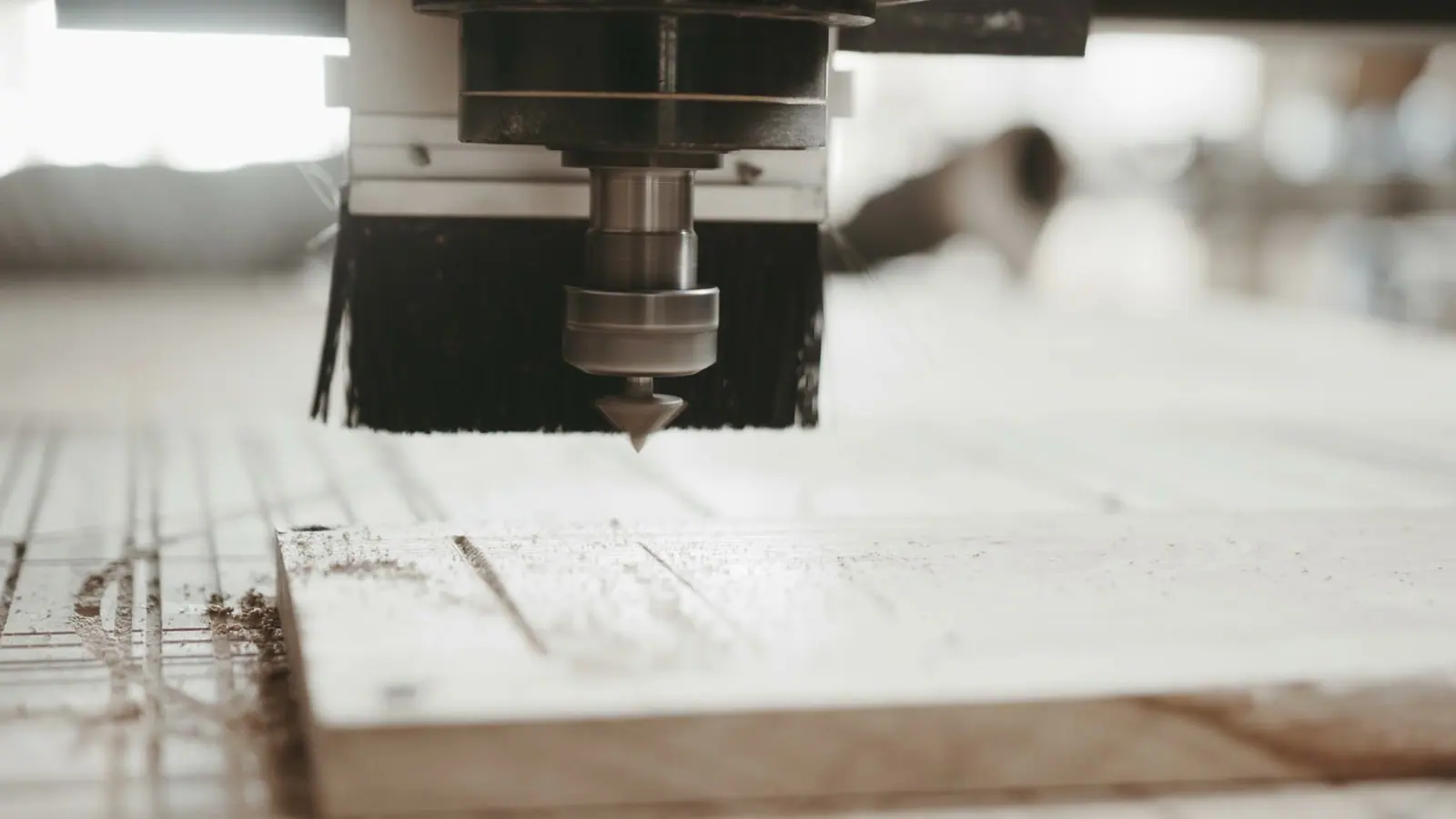
Modularity enables precisely fitting prefabrication
-
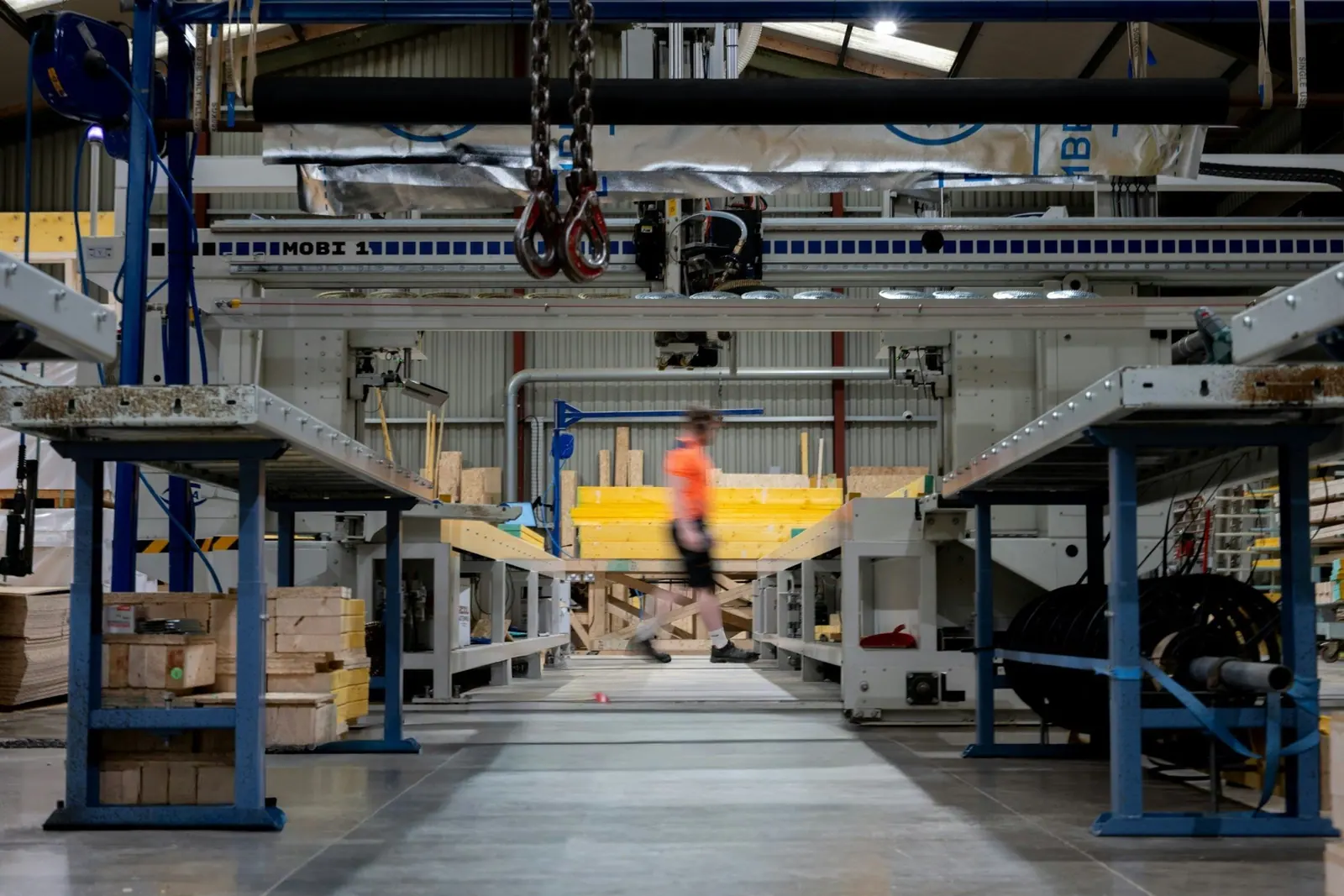
Factory production means shorter construction times and fewer weather risks
-
Fewer site staff, ideal when skilled workers are scarce
-
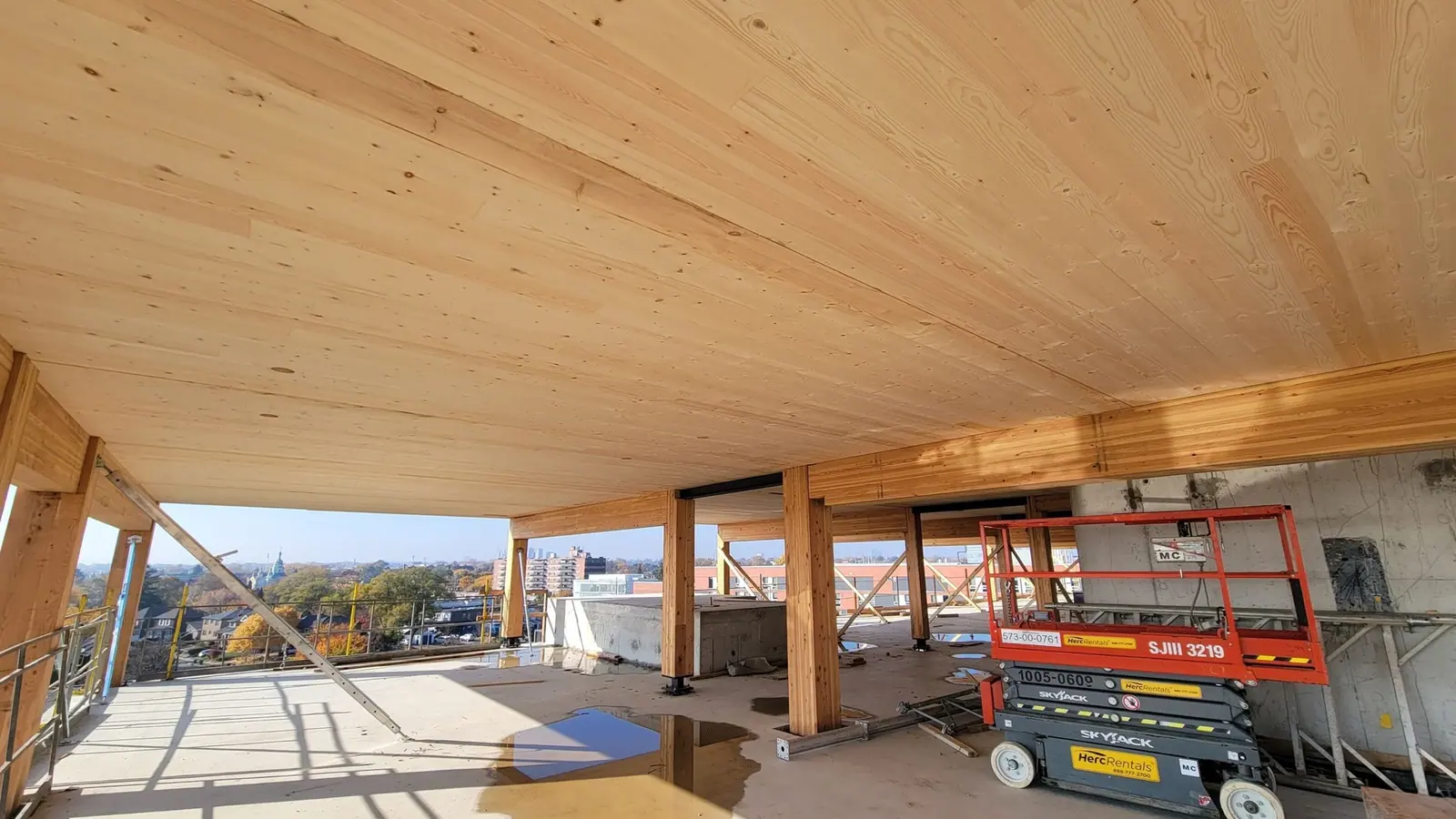
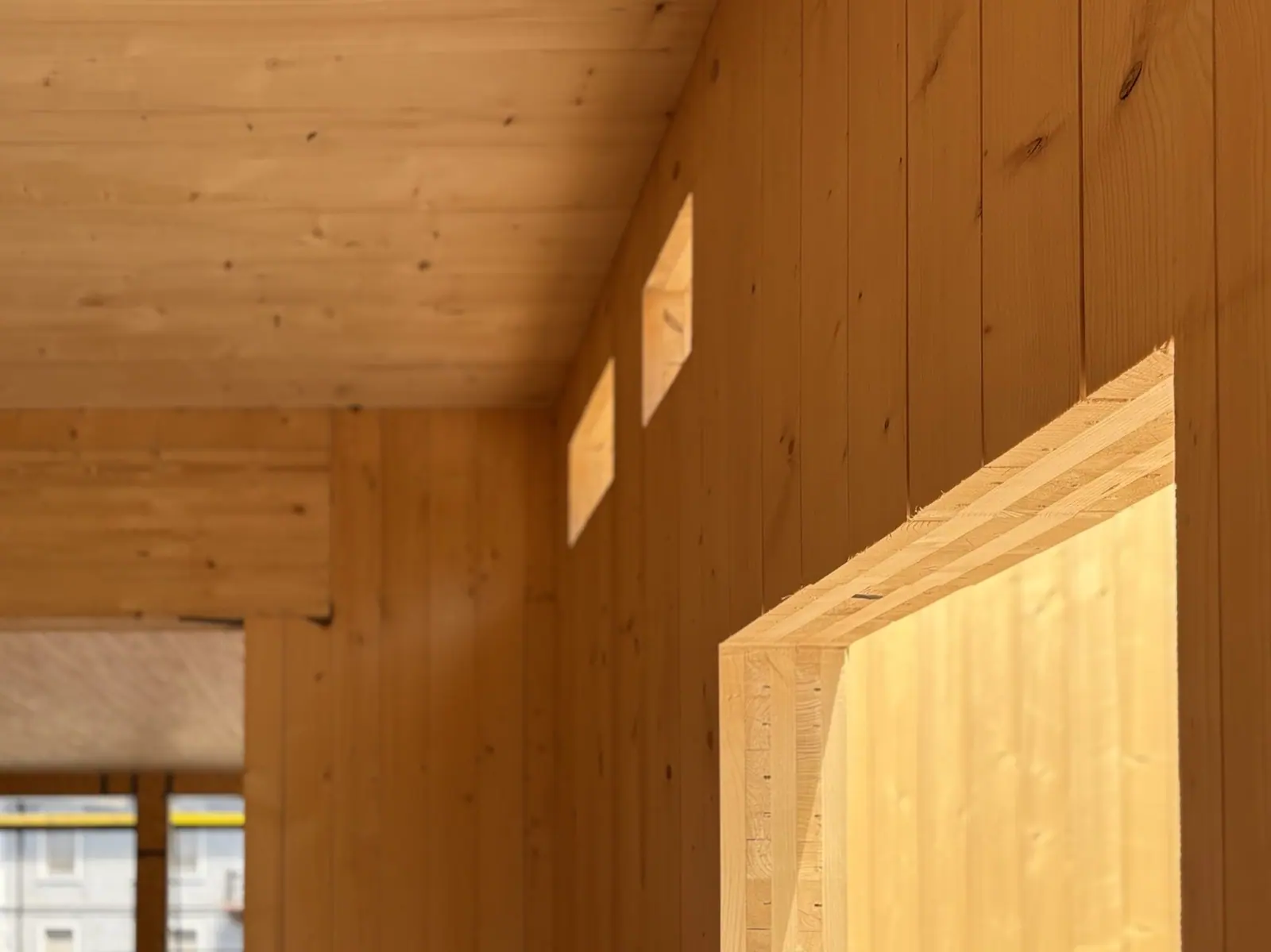
Design freedom thanks to high-tech wood such as CLT (cross-laminated timber) and glulam (glued laminated timber)
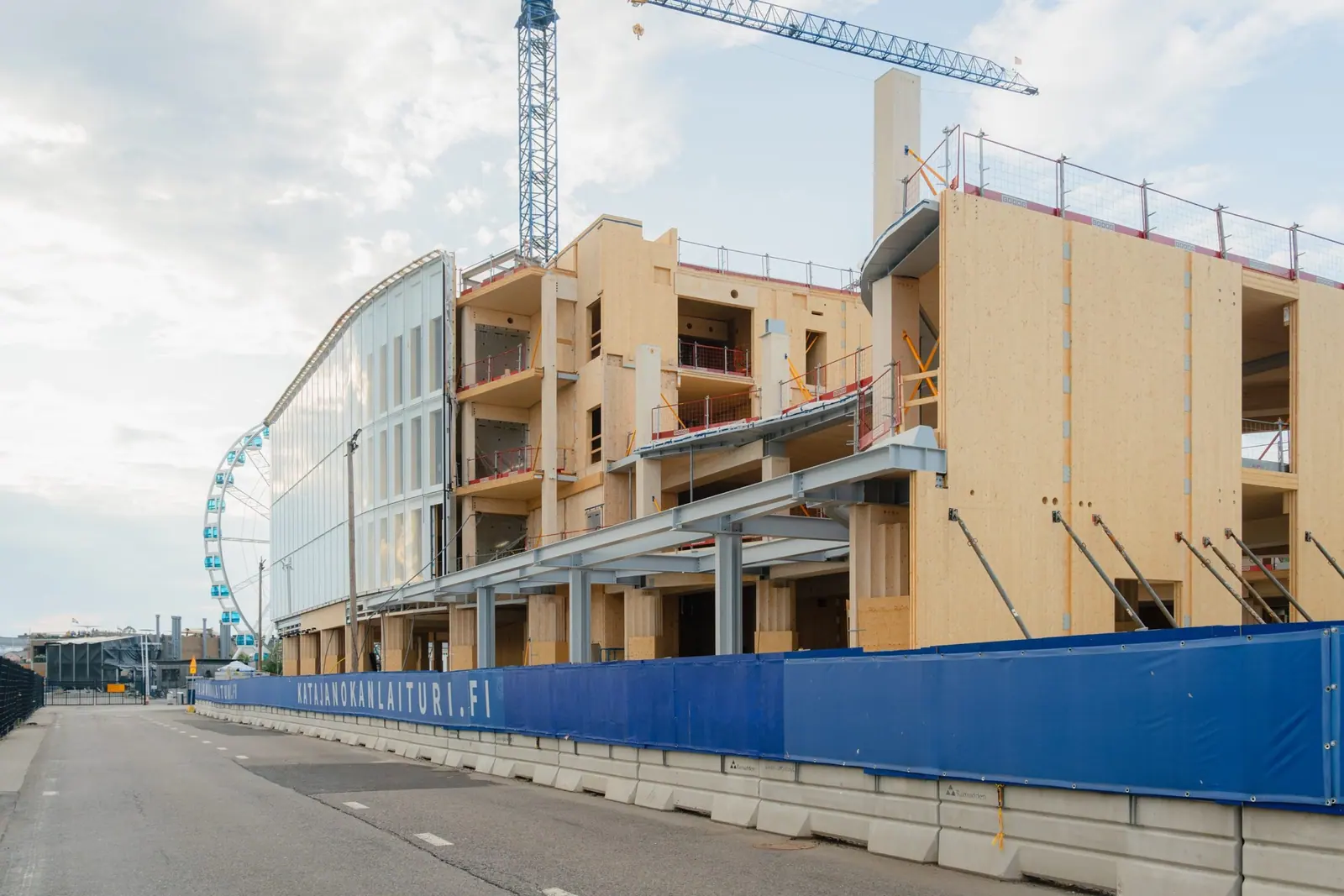
This transformation from raw material to high-performance module is decisive. Projects like Adohi Hall prove the sustainability of conventional timber construction, while modular systems (e.g. from Binderholz) go even further: some projects report CO₂ savings of up to 70%, among other things thanks to shorter construction time, less transport and minimal emissions on the construction site.
This makes timber modular construction the answer to the productivity crisis in construction: sustainable and scalable.
Research and regulation: a global tailwind for wood
Engineered wood products (EWP)
Technology has increased the performance of wood enormously. Engineered wood products (EWP) such as:
-
CLT (cross-laminated timber)
-
Glulam (glued laminated timber)
-
LVL (laminated veneer lumber)
offer higher load-bearing capacity, better fire resistance and design freedom, and make buildings of up to 18 storeys possible, such as Brock Commons Tallwood House in Vancouver (Canada).
There are flagship projects in Germany too:
-
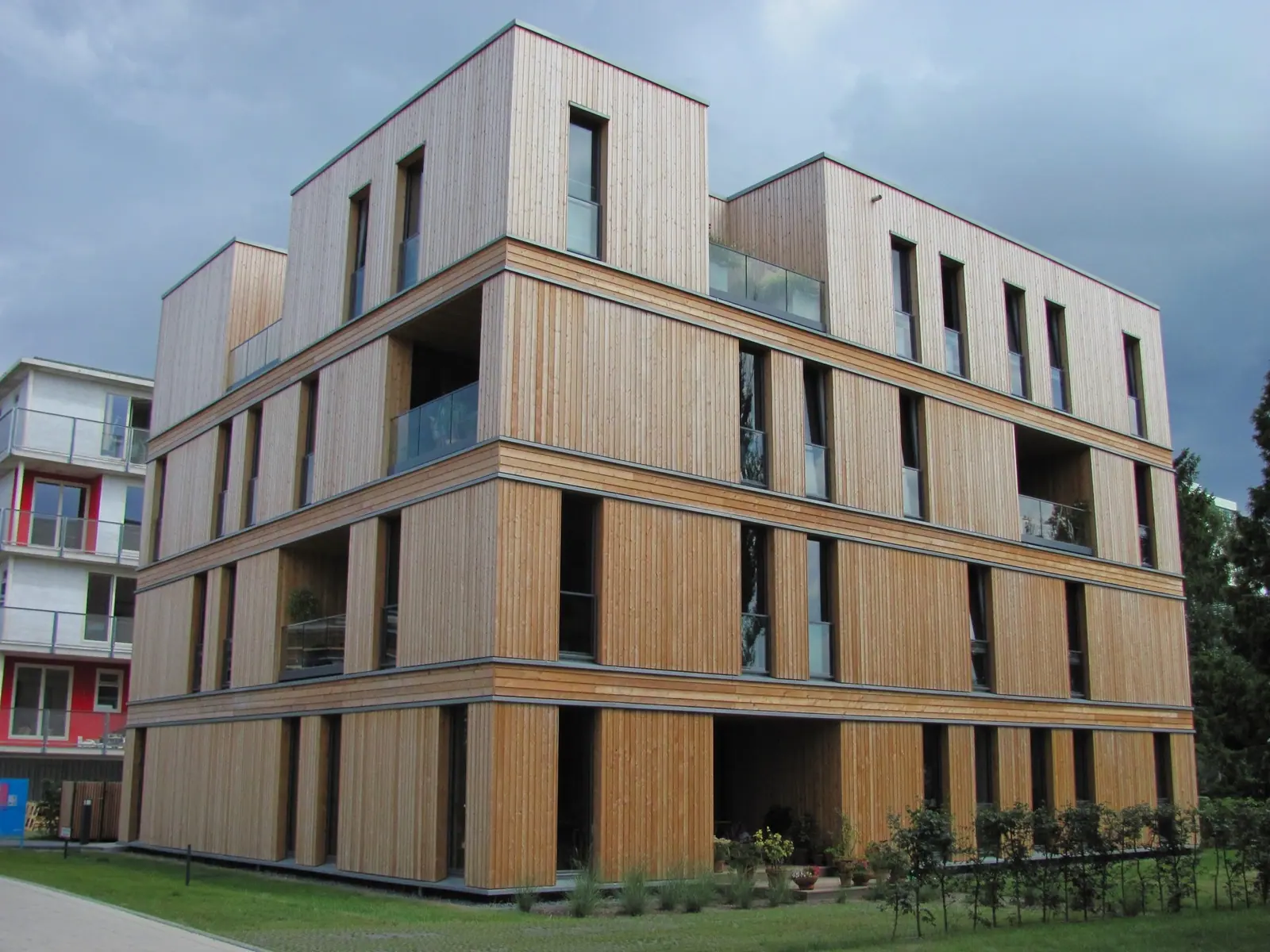
“Woodie” in Hamburg: In Wilhelmsburg, Europe’s largest timber student residence was built, with 371 modules on six storeys, a prime example of efficient, modular construction.
-
Schumacher Quartier in Berlin: On the site of the former Tegel airport, more than 5,000 apartments are to be built in modern timber construction: climate-neutral, low-car, sustainable.
Such projects show that EWP extends the possibilities of timber construction not only upwards, but also towards climate-neutral urban development.
Regulatory developments and fire protection
Building regulations in Canada, the USA and Germany have adapted: mid-rise and high-rise timber buildings can now be approved. This is a paradigm shift: for decades, regulations favoured concrete and steel, partly because of fire protection concerns.
What exactly are building regulations?
Building regulations are legally binding standards for safety, fire protection and environmental impact. A building that meets them is legally approved and complies with safety requirements at national or international level.
Today the rule is: modern timber buildings, if planned correctly, meet or exceed these standards. Fire protection, structural engineering, earthquake safety: no disadvantage compared with concrete or steel.
In short: timber buildings are not a compromise. They are technically mature, recognised by regulators and superior both aesthetically and ecologically. With the right partners, timber construction becomes the gold standard of the future.
Conclusion
The facts speak for themselves: solid wood is more than a sustainable material, it is a strategic tool against CO₂ emissions and inefficient construction processes. Its ability to bind CO₂, cut emissions and enable urban density makes wood a game changer.
But real change needs doers, and this is where arcneo comes in.
At arcneo we do not just watch the timber construction trend, we accelerate it. Our mission: turning material innovation into measurable impact. We rely on:
-
Sustainable forestry with partners such as Binderholz
-
Timber modular construction for faster, smarter projects
-
Data-based financing, geared to impact and long-term value
At the intersection of architecture, engineering and impact investing, we deliver projects that are not only ecologically well thought out, but also scalable in practice.
In the face of stricter building regulations and a growing climate crisis, arcneo helps cities, developers and investors build green from the very first m². Wood is not just a better building material, it is a better investment in the future.
Frequently asked questions
- Why is wood more sustainable than concrete or steel?
- Because wood stores CO₂, needs less energy to produce and comes from renewable sources. Concrete and steel are energy-intensive and carbon-heavy.
- What are engineered wood products (EWPs)?
- High-performance wood-based materials such as CLT or glulam that are suitable for multi-storey construction, with high load-bearing capacity and fire protection.
- Can timber buildings be recycled?
- Yes. Elements can be dismantled, reused or used as bioenergy.
- Is wood safe for tall buildings?
- Absolutely. With correct planning, modern timber buildings meet all fire protection and structural requirements.
Jonathan Albroscheit writes for arcneo Insights about the housing market, regulation and the team.
Read more
More Insights
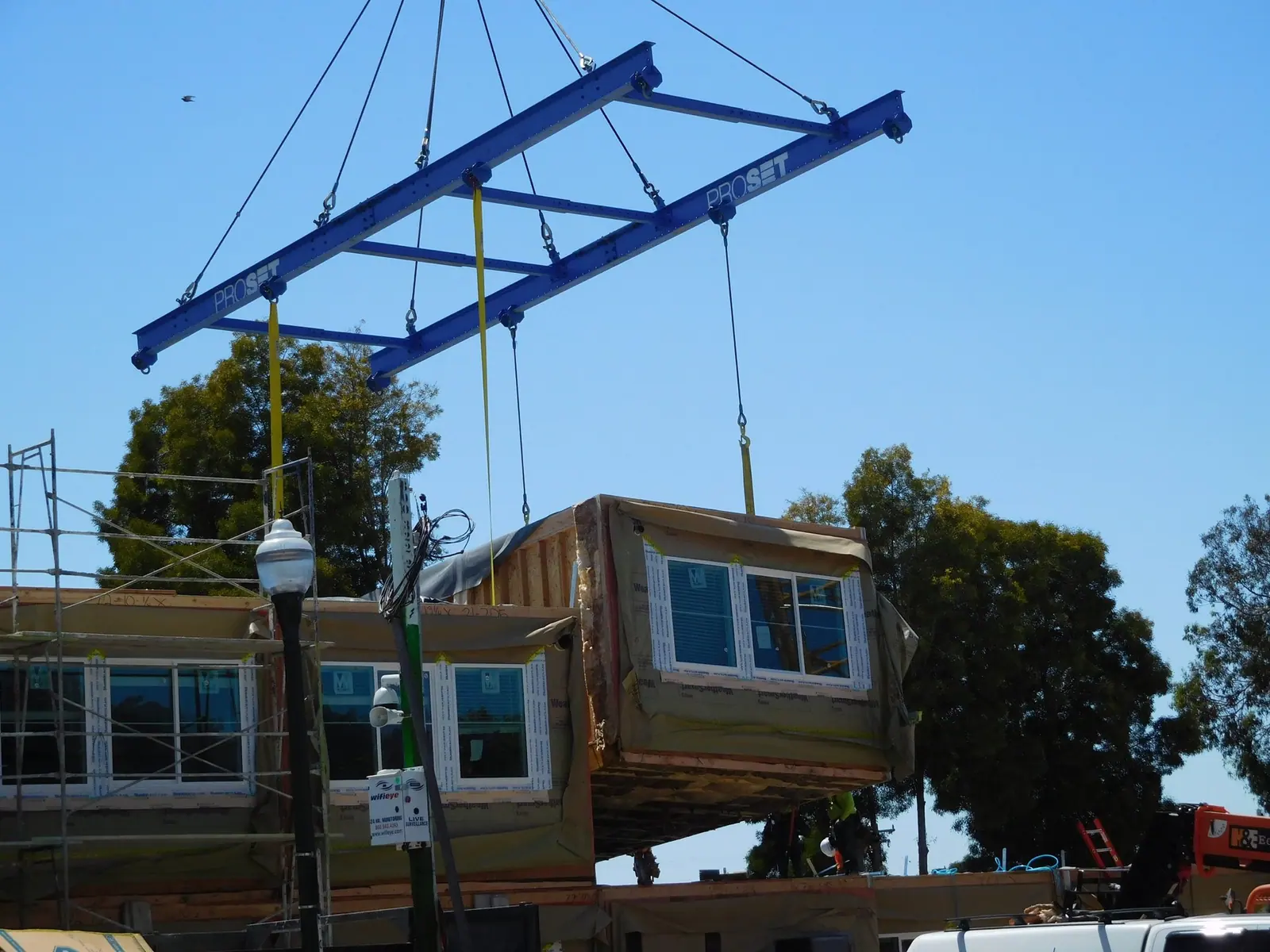
Serial and modular construction: the difference
Serial construction is a principle, modular construction is a construction method. What separates the two terms and where timber modular construction stands.
Green building: why efficient properties are redefining the future of the industry
Construction and building operation account for nearly 40% of global greenhouse gas emissions.
Meet the Team: Volker Bredler, project development with principles
More than 40 years of experience in project development, including four decades at Aldi Süd. A conversation about responsibility and clear principles.
Contact
Get to know the team
Get to know the team in a personal conversation. We will show you documents and current project information and answer your questions.
- Personal conversation with the team
- Documents and project information