











Schneller-Bauen-Gesetz in Berlin: new opportunities for residential construction and urban development?
Berlin is in a housing crisis of historic dimensions: according to the Senate Department’s estimate, the capital alone will be short of around 200,000 apartments by 2030. Today it can take more than a year for a building permit application…
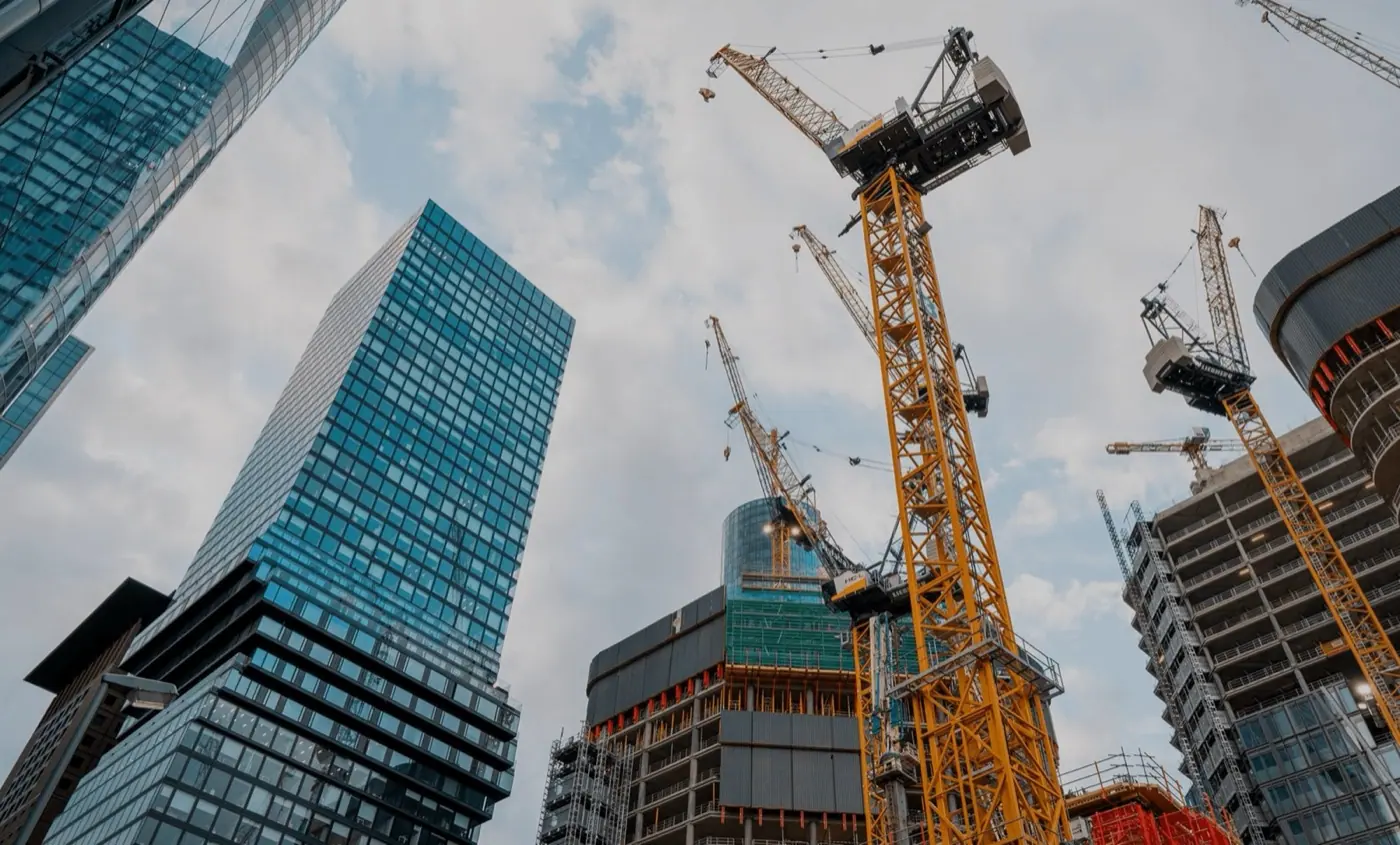
 Jonathan AlbroscheitFounder and CRO, arcneo
- Published
- 2 September 2025
- Reading time
- 7 minutes
In brief
- Building faster against the housing shortageWith more than 200,000 apartments missing, Berlin wants to shorten procedures to bring new housing to market faster.
- Three months to approvalIf the authority does not respond in time, the building permit application is automatically deemed approved: the deemed approval rule takes effect.
- Digitalisation speeds up processesOnline portals, uniform processes and digital reviews are meant to make construction more efficient and transparent.
- Speed versus environmental and participation rightsShortened environmental assessments and participation procedures meet criticism from environmental and residents’ initiatives.
Berlin is in a housing crisis of historic dimensions: according to the Senate Department’s estimate, the capital alone will be short of around 200,000 apartments by 2030. Today it can take more than a year for a building permit application to be approved, a hurdle that delays many projects and makes the housing shortage even worse. Particularly affected: affordable housing and housing oriented towards the common good. According to Investitionsbank Berlin (IBB), fewer than 20% of new builds are currently publicly subsidised, while construction costs, interest rates and bureaucracy are all increasing at the same time.
With the Schneller-Bauen-Gesetz (Berlin’s faster building act), which comes into force in summer 2025, the Berlin Senate wants to stop this trend. The law aims to drastically shorten planning and approval procedures, in particular through digitalisation, binding deadlines and simpler processes. But what does that mean in practice? How does the new law affect sustainable project development, and what role does arcneo play in this dynamic environment?
What exactly is the Schneller-Bauen-Gesetz?
The law to accelerate construction projects in the state of Berlin was passed in spring 2025 and comes into force in the summer. It forms the legal core of Berlin’s housing offensive and aims to radically streamline construction processes, especially when it comes to permits.
The focus is on modernising several central legal foundations:
-
the Berlin Building Regulations
-
the Administrative Procedure Act
-
and planning law
With the law, the Senate is responding not only to the dramatic need for housing, but also to growing criticism of inefficient procedures, a lack of digitalisation and overstretched authorities. For the first time, the new rules create binding deadlines, digital portals and simplified procedures for smaller construction projects, in particular in areas of strategic importance for urban development.
The key measures at a glance
The Schneller-Bauen-Gesetz addresses several key levers to make planning and approval procedures more efficient and transparent. The focus is on digitalisation, binding deadlines and streamlining existing processes.
1. Digital building permit
In future, applications will be made entirely through a central online portal. Plans, expert reports and supporting evidence can be submitted there directly in digital form. Communication with the authorities is also to run digitally in future, which could standardise and speed up the procedures.
2. Binding deadlines and deemed approval
Building permit applications will in future be subject to fixed processing deadlines, as a rule three months. If there is no response within this period, the application is automatically deemed approved, a rule known as deemed approval. This creates more planning certainty, but is also legally contested.
3. Simplified land-use planning and pilot procedures
Smaller projects can be carried out in simplified procedures. This means fewer formal participation steps, shorter review processes and reduced documentation requirements, as long as no significant environmental concerns are affected. As a result, smaller residential projects in particular can get off the ground faster. The law also allows pilot projects in selected boroughs, in which digital approval processes, faster coordination and new participation formats are tested. The aim is to trial innovative procedures under real conditions.
4. Restricted participation procedures
For projects of “special public interest”, environmental impact assessments and public participation can be shortened or dropped. One example is the Lindenhof residential quarter in Tempelhof-Schöneberg: new apartments have been built there since 2014 on the site of a former children’s hospital. The project benefited from accelerated procedures to meet local housing demand faster.
5. Relieving the administration through standardisation
The law also provides for the introduction of standard forms and digital review workflows. The aim is to speed up case handling and at the same time make applications more comparable.
Who benefits and who does not?
The Schneller-Bauen-Gesetz is more than an instrument of administrative law: it is a political signal that residential construction in Berlin is to pick up speed again. But not all market participants benefit equally from the new rules. While some gain clear advantages, new challenges and conflicting goals arise at the same time.
Winners: planning certainty and speed for established players
Large project developers and institutional investors are among the clear winners of the reform. The introduction of binding deadlines and digital procedures can reduce lengthy planning uncertainty and speed up the delivery of large projects. Municipal housing companies and cooperatives also benefit, above all for construction projects on state-owned land, where close cooperation with the administration is possible. In addition, there are opportunities for providers of digital planning and approval technologies: demand for BIM systems, digital application platforms and automated project management solutions is likely to rise noticeably, a market of growing strategic importance.
Critical voices: participation and quality at risk?
The Schneller-Bauen-Gesetz creates more planning certainty, but is also legally contested. Building permits that should not be granted may be granted. In this context, clear criticism is being voiced: environmental associations and neighbourhood initiatives see the danger of an erosion of democratic participation and a watering down of ecological standards.
“Anyone who forgets biodiversity and water protection today will get neighbourhoods tomorrow that are barely habitable and have a poor quality of life.”
said Werner Graf, chair of the Green parliamentary group in Berlin. There is also scepticism in the administrations: without additional staff and technical resources, the newly introduced deadlines could lead to overload rather than greater efficiency. For smaller project developers, building groups and initiatives oriented towards the common good, the outlook is also mixed: anyone without fully digitalised processes, BIM-based planning or specialised legal advice could struggle to meet the new requirements and so suffer competitive disadvantages.
Assessment from the point of view of sustainable developers and impact investors
The Schneller-Bauen-Gesetz undoubtedly brings speed to the processes, but from the point of view of sustainable project development the effect remains mixed. Speed alone does not guarantee quality. There is a risk that standardised, return-oriented projects in particular will benefit, while complex social and ecological concepts fall behind under time pressure. Yet it is precisely these projects that create social resilience and impact in the long term.
What ESG-oriented projects need now
Anyone who wants to build sustainably today must not only meet ESG targets, but also plan in an integrated way, fit in with municipal requirements and at the same time act in compliance with the law and be ready for approval. Speed does not contradict impact, but it makes quality assurance more demanding.
arcneo as a platform between ambition and execution
arcneo provides orientation here and speeds up execution: the platform not only curates ESG-compliant real estate projects, but works with standardised building concepts that have proved themselves in planning and can easily be integrated into new assessment and approval logics. The serial construction principle makes it possible to bring projects to market not only faster, but also consistently and based on data, with clear ESG standards, robust planning foundations and a strategic fit with the new legal situation. This makes impact not only possible, but scalable.
arcneo creates a space in which speed does not come at the expense of sustainability, but where both become possible hand in hand.
Conclusion
The Schneller-Bauen-Gesetz is a long overdue and fundamentally positive response to the untenable conditions on the Berlin housing market. It is more than a hasty political move: it marks a turning point in the debate on urban development policy. The central challenge is to reconcile speed and transformation. If the law is implemented consistently, it can be the starting point for a new building culture in Berlin: faster, more digital, more investment-friendly. It remains to be seen how strongly the law actually affects the market. Much depends on whether and how the administration actually applies the new rules, and whether the new procedures really reach the right projects.
In this change, arcneo stands for structure, standardisation and reliability: as a platform that not only identifies ESG-compliant projects, but also makes them compatible with planning and administration, through serial concepts, clear assessment logics and robust ESG criteria. This allows sustainable projects to be approved faster and implemented reliably, especially under the new regulatory time pressure.
Frequently asked questions
- What is the Schneller-Bauen-Gesetz in Berlin?
- The Schneller-Bauen-Gesetz is a legislative package of the Berlin Senate that is intended to speed up planning and approval procedures in residential construction considerably. It relies on digital building permits, fixed deadlines for authorities and simplified land-use planning.
- What changes does the law bring for builders?
- Builders benefit from digitalised application procedures, shorter processing times and more planning certainty. At the same time, however, the requirements for digital project handling and transparency of documents are also rising.
- How does the law affect sustainable construction projects?
- Sustainable projects often need more planning time and coordination. The new deadlines create the risk that social and ecological criteria come under time pressure. Platforms such as arcneo create a balance here through transparency and quality assurance.
- Is there criticism of the Schneller-Bauen-Gesetz?
- Yes. Environmental and citizens’ initiatives criticise the restriction of participation rights. Municipalities warn of overload if no additional resources are provided. Smaller developers also see hurdles in digital implementation.
Jonathan Albroscheit writes for arcneo Insights about the housing market, regulation and the team.
Read more
More Insights
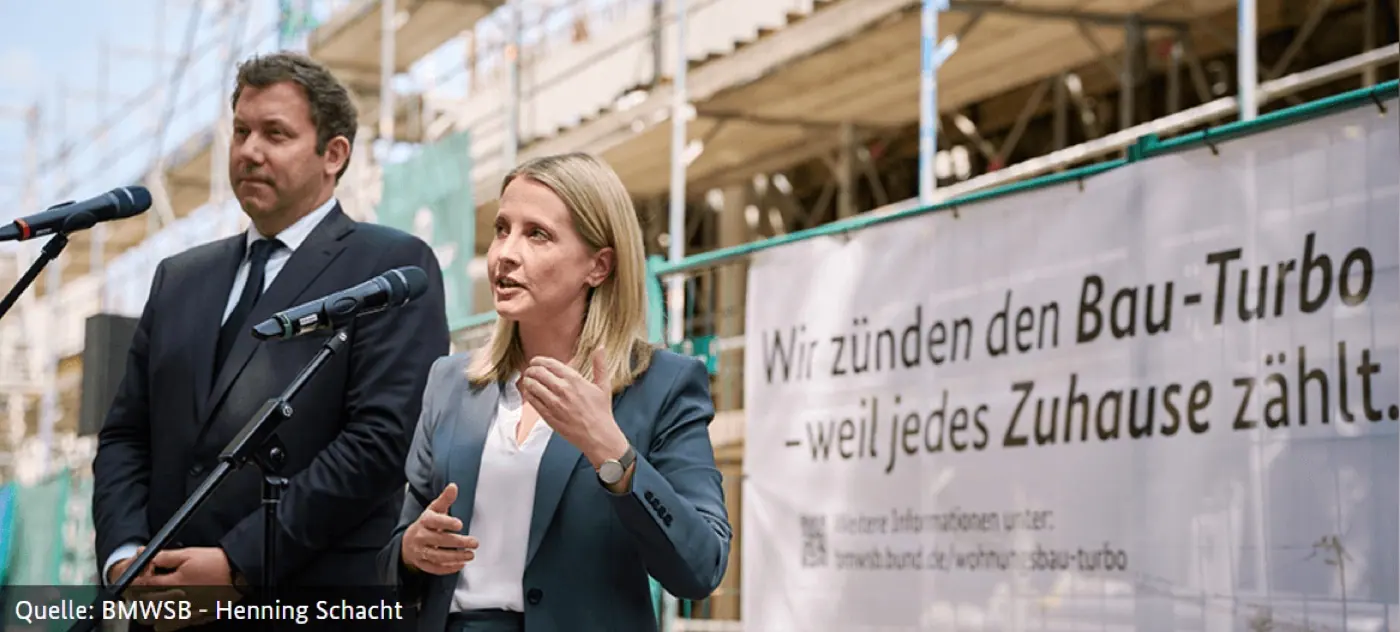
Bau-Turbo 2025: Germany’s bold new law for faster residential construction
The law amends the Federal Building Code, cuts red tape in procedures and gives municipalities more room for manoeuvre.
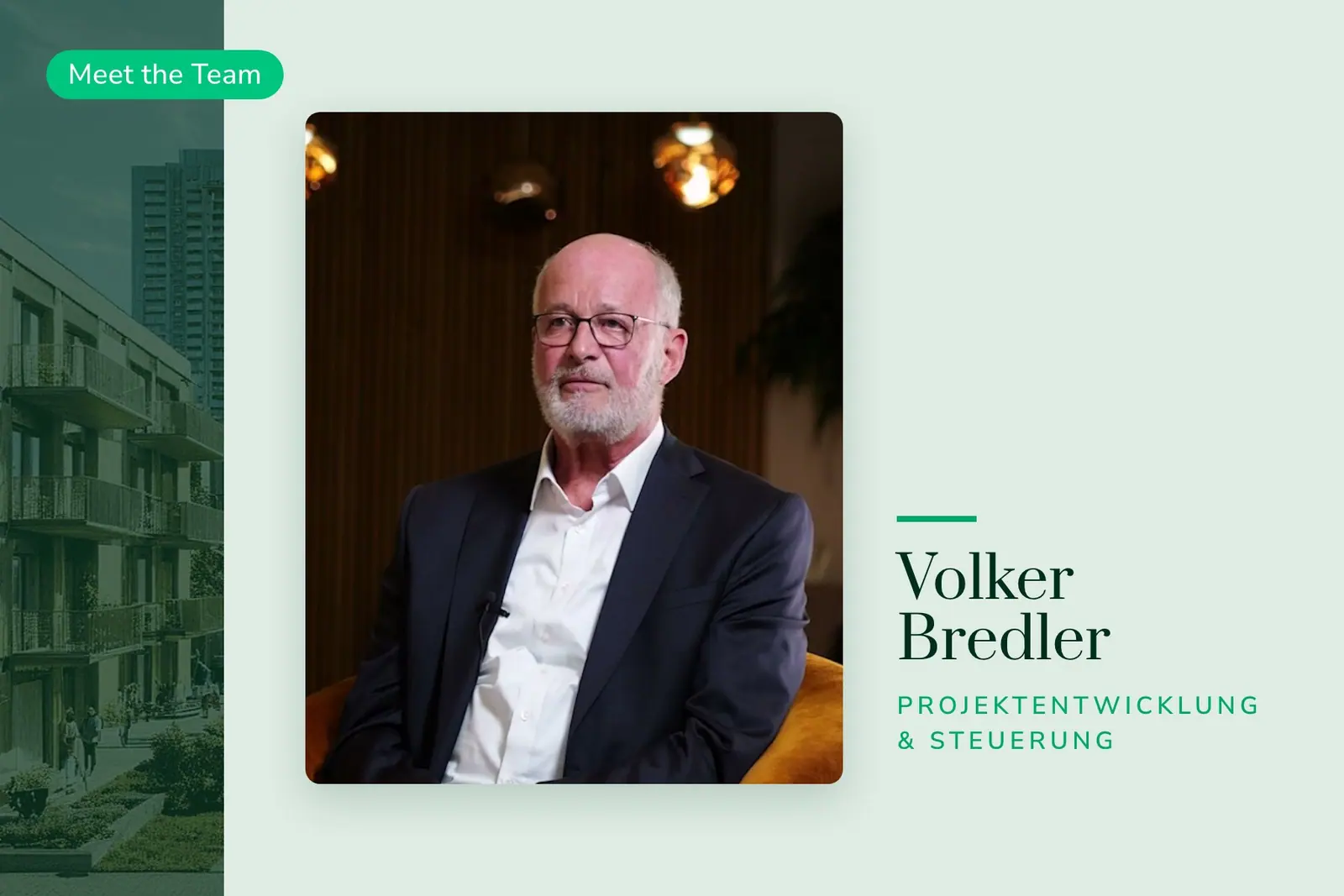
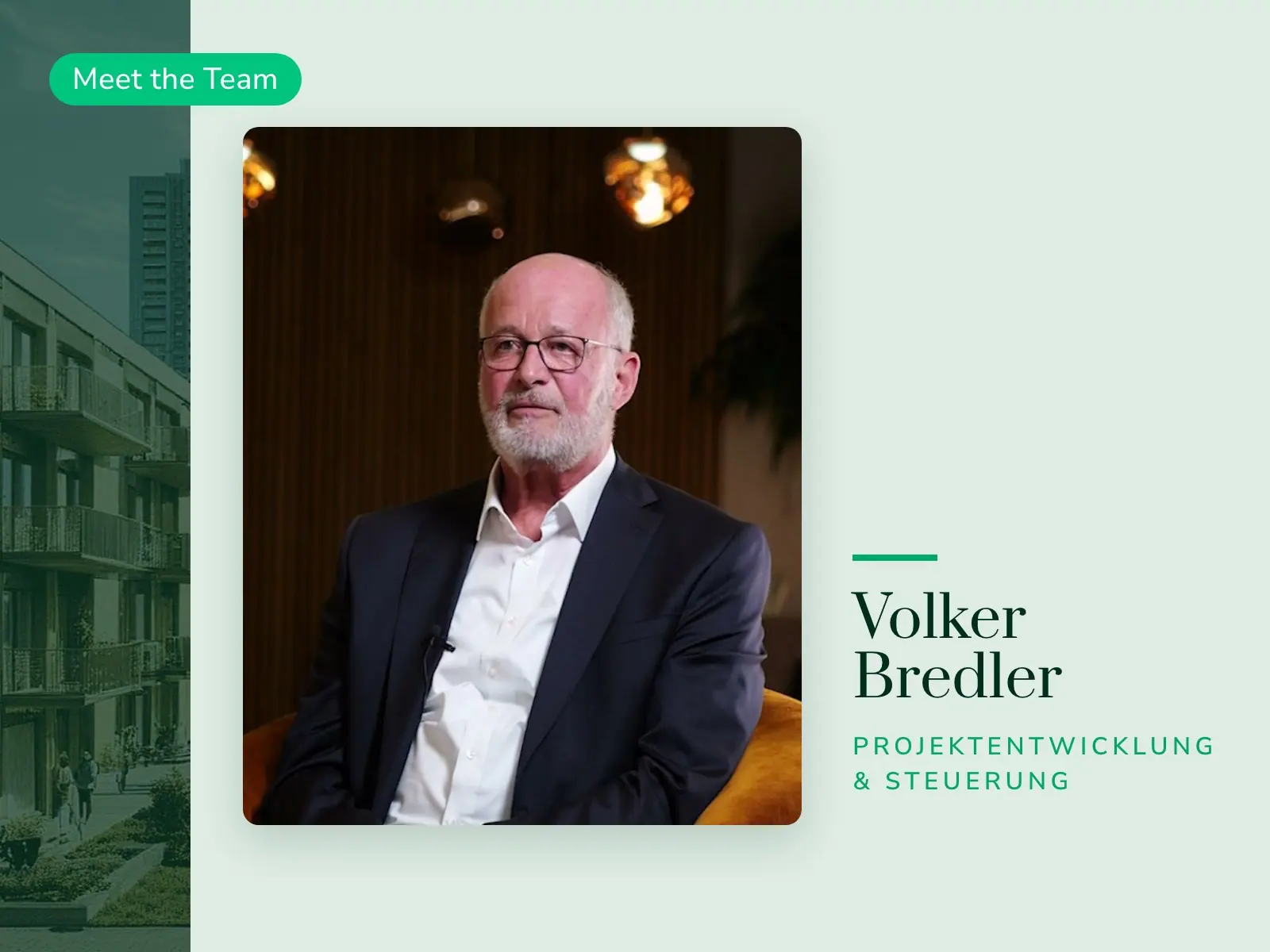
Meet the Team: Volker Bredler, project development with principles
More than 40 years of experience in project development, including four decades at Aldi Süd. A conversation about responsibility and clear principles.
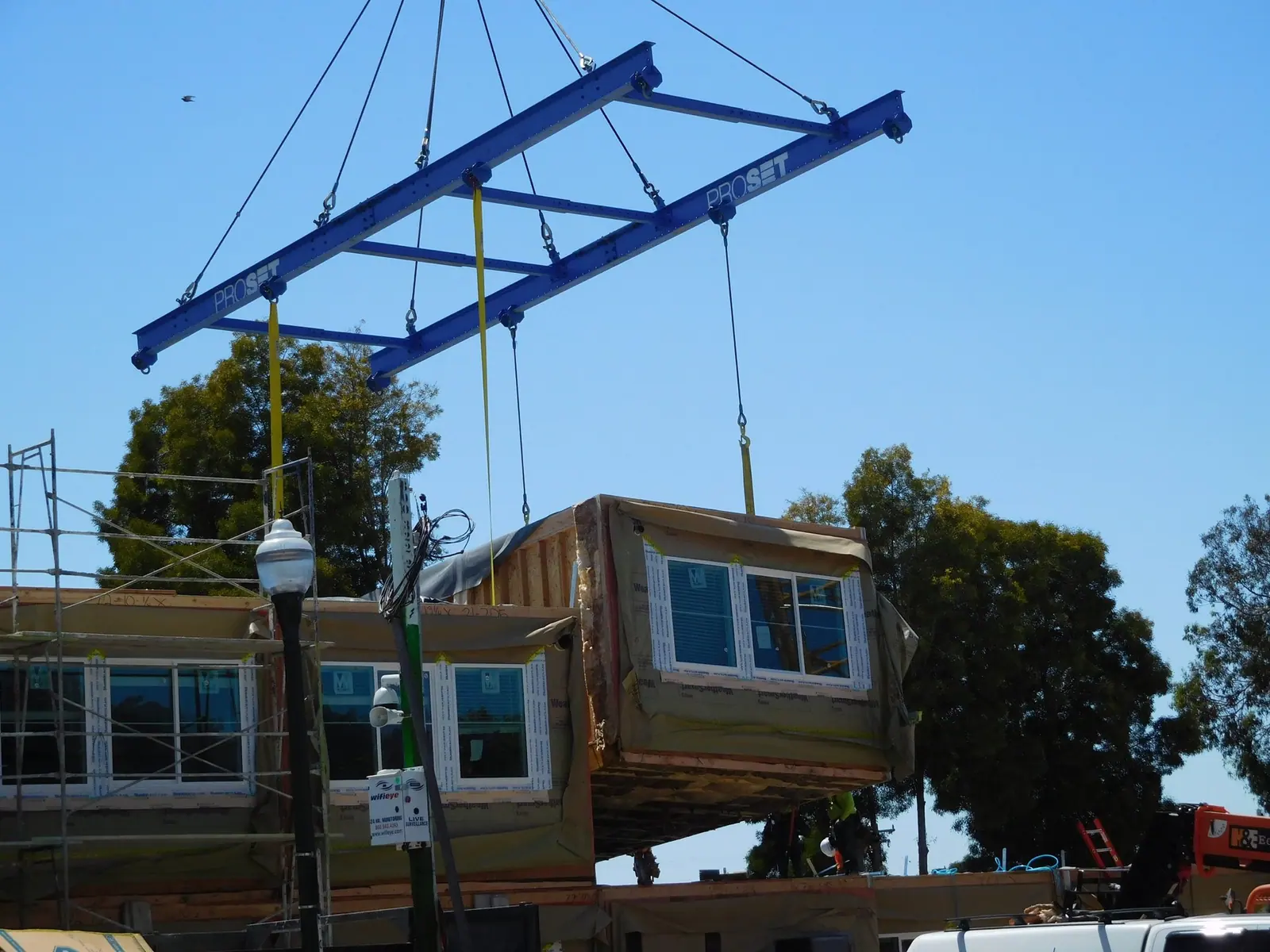
Serial and modular construction: the difference
Serial construction is a principle, modular construction is a construction method. What separates the two terms and where timber modular construction stands.
Contact
Get to know the team
Get to know the team in a personal conversation. We will show you documents and current project information and answer your questions.
- Personal conversation with the team
- Documents and project information